
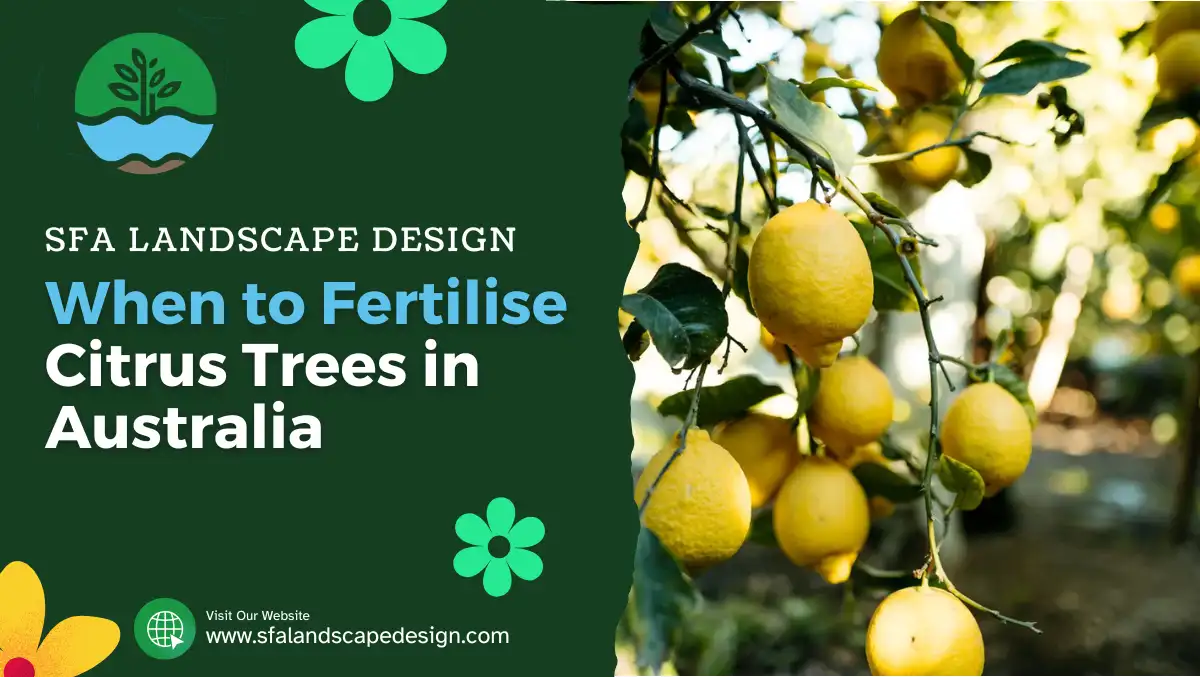
When to Fertilise Citrus Trees in Australia is one of the most important questions for gardeners who want healthy trees and abundant fruit. Citrus trees, including lemons, oranges, and mandarins, are heavy feeders and require consistent nutrients throughout the year. However, feeding at the wrong time can lead to poor growth, reduced fruit quality, or even plant stress.
Understanding the correct timing, seasonal needs, and fertiliser types will help you maximise your tree’s productivity. Whether your citrus tree is planted in the ground or growing in a pot, knowing exactly when to fertilise citrus trees in Australia ensures strong growth, better flowering, and sweeter fruit.
When Should I Fertilise My Citrus Trees in Australia?
If you’re wondering when should I fertilise my citrus trees in Australia, the answer depends on seasonal growth cycles. Citrus trees grow most actively during warmer months, which is when they need the most nutrients.
The general rule is:
- Start feeding in early spring
- Continue feeding through summer
- Reduce feeding in autumn
- Stop or minimise feeding in winter
This schedule aligns with the natural growth rhythm of citrus trees and ensures they receive nutrients when they can use them most effectively.
Seasonal Feeding Guide (Australia)
Spring (Late August to October): Start Strong
Spring is the best time to fertilise citrus trees Australia because trees come out of dormancy and begin new growth. This is when roots become active, and the tree prepares for flowering.
During this time:
- Apply a balanced citrus fertiliser
- Feed every 4–6 weeks
- Water thoroughly after application
Fertilising citrus trees in spring Australia is essential for:
- Strong leaf development
- Healthy flowering
- Improved fruit set
This is one of the most critical periods when planning When to Fertilise Citrus Trees in Australia.
Summer (November to February): Flowering, Fruit Set & Fruit Fill
Summer is the peak growing season. Trees are actively producing fruit, so consistent feeding is necessary.
- Fertilise every 4–6 weeks
- Ensure adequate watering
- Use fertilisers rich in potassium for fruit development
If you’re considering how often to fertilise citrus trees, summer is when consistency matters most. Nutrient deficiencies during this stage can lead to small or poor-quality fruit.
Autumn (March to May): Taper and Rebuild Reserves
In autumn, citrus trees begin slowing down. Feeding during this time helps rebuild energy reserves for the next growing season.
- Reduce fertiliser frequency
- Use a mild, balanced fertiliser
- Focus on root health
This stage is often overlooked but plays a key role in long-term productivity when planning When to Fertilise Citrus Trees in Australia.
Winter (June to August): Usually Pause Feeding
Winter is a resting period for citrus trees. Growth slows significantly, and fertilising during this time is generally unnecessary.
- Avoid heavy feeding
- Only fertilise lightly in warmer regions if needed
- Focus on maintenance and pruning
Feeding in winter can encourage weak growth that is vulnerable to cold damage.
What is the Best Fertiliser for Citrus Trees?
Choosing the right fertiliser is just as important as timing. The best fertiliser for citrus trees should contain:
- Nitrogen (N) for leafy growth
- Phosphorus (P) for root development
- Potassium (K) for fruit quality
Micronutrients like iron, magnesium, and zinc are also essential.
Using the right nutrients is key to how to fertilise citrus trees for maximum fruit yield, especially during active growth periods.
Fertiliser Comparisons: What Works Best?
Blood and Bone
Blood and bone is a traditional organic fertiliser that provides:
- Slow-release nutrients
- Improved soil structure
It is ideal for early growth stages but may need supplementation with potassium for fruiting.
Dynamic Lifter
Dynamic Lifter is a popular organic option that:
- Improves soil health
- Provides balanced nutrients
- Encourages microbial activity
It’s great for long-term soil improvement and works well when fertilising citrus trees in spring Australia.
Is Seasol OK for Citrus?
Seasol is a seaweed-based tonic rather than a fertiliser. It doesn’t provide significant nutrients but helps:
- Improve root growth
- Reduce plant stress
- Enhance nutrient uptake
You can use Seasol alongside fertilisers to support overall plant health. It complements your schedule when planning When to Fertilise Citrus Trees in Australia.
Can Citrus Fruits Be Used as Fertiliser?
While it may sound sustainable, using citrus fruit scraps directly as fertiliser is not ideal.
Reasons:
- High acidity can disrupt soil balance
- Slow decomposition
- May attract pests
Instead, compost citrus waste properly before using it in your garden.
When Should I Feed My Lemon Tree?
Lemon trees follow the same feeding schedule as other citrus varieties.
If you’re asking when should I fertilise my citrus trees in Australia, lemon trees should be fed:
- Early spring
- Throughout summer
- Lightly in autumn
Regular feeding ensures continuous fruiting, especially for varieties that produce year-round.
How Often to Fertilise Citrus Trees
A common question is how often to fertilise citrus trees. The answer depends on the season:
- Spring & Summer: Every 4–6 weeks
- Autumn: Every 6–8 weeks
- Winter: Rarely or not at all
Consistency is key. Over-fertilising can harm roots, while underfeeding reduces fruit production.
How to Fertilise Citrus Trees for Maximum Fruit Yield
To achieve the best results, follow these tips for how to fertilise citrus trees for maximum fruit yield:
- Apply fertiliser evenly around the drip line
- Avoid placing fertiliser directly against the trunk
- Water deeply after feeding
- Use mulch to retain moisture and nutrients
Proper application ensures nutrients reach the root system effectively.
How to Fertilise a Citrus Tree
Follow these simple steps:
- Clear weeds around the base
- Apply fertiliser evenly
- Lightly rake into the soil
- Water thoroughly
This method ensures nutrients are absorbed efficiently and supports healthy growth.
How to Feed Citrus Trees Growing in Pots
Potted citrus trees require more frequent feeding because nutrients wash out quickly.
- Use liquid fertiliser every 2–3 weeks
- Ensure good drainage
- Avoid overfeeding
Container plants depend entirely on you for nutrients, making timing critical when considering When to Fertilise Citrus Trees in Australia.
Signs Your Citrus Tree Needs Fertiliser
Look out for these common signs:
- Yellowing leaves
- Slow growth
- Poor fruit production
- Leaf drop
These symptoms indicate nutrient deficiencies and highlight the importance of understanding When to Fertilise Citrus Trees in Australia.
Common Mistakes to Avoid
Avoid these common fertilising mistakes:
- Over-fertilising
- Feeding during winter
- Using the wrong fertiliser type
- Not watering after application
Correcting these mistakes will improve your results significantly.
Conclusion
When to Fertilise Citrus Trees in Australia is a key factor in growing healthy, productive trees. By following a seasonal feeding schedule, choosing the right fertiliser, and applying it correctly, you can ensure strong growth and abundant fruit year after year.
Remember:
- Feed regularly in spring and summer
- Reduce feeding in autumn
- Avoid fertilising in winter
With the right approach, your citrus trees will thrive, delivering delicious fruit and vibrant growth throughout the seasons.
Read also Alternatives to a Grass Lawn.