If you’re thinking of buying new plants for your Spring Gardening- Time saving Plants Suggestions or if you’re renovating, then put low maintenance plants on your shopping list.
Spring is the time when everything in nature perks up. When it comes to gardening, this is the time to prepare your garden soil, clear the weeds, and identify plants that survived the winter frost. Then, you can move on to shopping, to add colours and edibles to your yard with some of the Best flowers to plant in spring Australia.
Choosing low maintenance plants will save you much time in your gardening, while you continue to enjoy a thriving garden all year round. These Spring Gardening- Time saving Plants Suggestions also help you focus on smart care rather than heavy maintenance.
Prep your Soil
Soil is the foundation for every living thing in our environment. Making your soil organic rich will be like adding an extra boost to it. If you’re planning to buy loads of flowering plants, then add to your shopping list some premixed garden soil – this will have the necessary nutrients to give your plants the best chance to survive and thrive. Winter garden preparation for spring ensures healthier growth in the upcoming season.

Low Maintenance Plant Suggestions
The below is not an extensive list but worth the money and time. These low maintenance plants once established in the garden will require less care as years roll in. These are truly Spring Gardening- Time saving Plants Suggestions for every home gardener.
Three Perennial Plants
Perennial plants give more bang for your money. Once established they’ll flower and fruit everywhere if watered during dry periods and shown some care.
- Correa reflexa (Native Fuchsia) – Best planted in part shade location. Low level shrub. Blooms from Spring to Autumn.
- Plargonium (Geraniums) – Best planted in full sun to part shade. Low level shrub. Blooms late Spring to Autumn. Perfect among flowers to plant in spring Australia full sun.
- Daisy (Perennial varieties) – Best planted in full sun to part shade. Colourful fillers. Blooms late Winter to Autumn.
Three Annual Plants
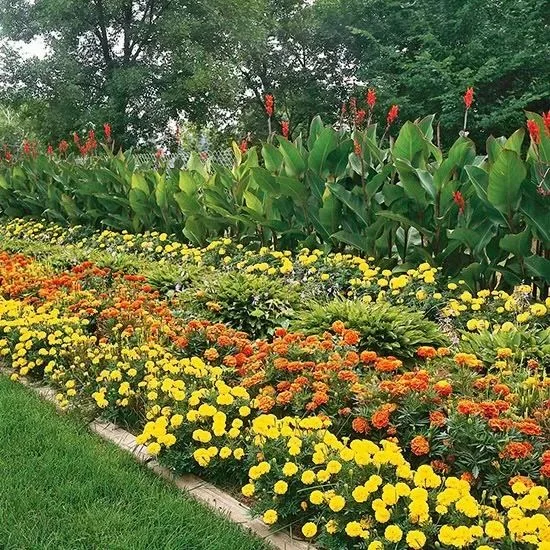
If you want to add quick colour to your garden in any season, then annuals are your best bet.
- Zinnia (Zinnia) – Full sun. Medium sized shrub. Blooms Summer to Autumn.
- Cosmos bipinnatus (Cosmos) – Full sun. Medium sized shrub. Blooms Spring to Autumn.
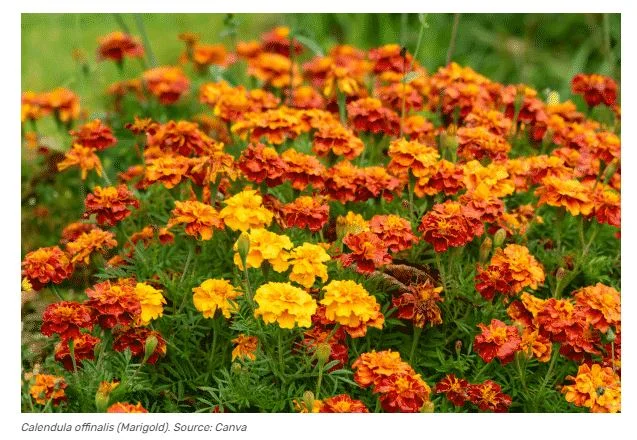
- Calendula offinalis (Marigold) – Full sun. Medium sized shrub. Blooms late Spring to Autumn. Marigolds are a special favourite for Indian-Australians. They formed such an integral part of celebrations. They also make wonderful companion plants.
These blooms are also among the flowers to plant in spring Australia in pots for balconies and patios.
Three Screening Plants
As much as we love our neighbours, we love our privacy more, especially in our backyard. These screening plants grow fast and are low maintenance.
- Syzgium austral “Pinnacle” (Lilly Pilly) – Fast growing screening plant. Native, suitable to all conditions.
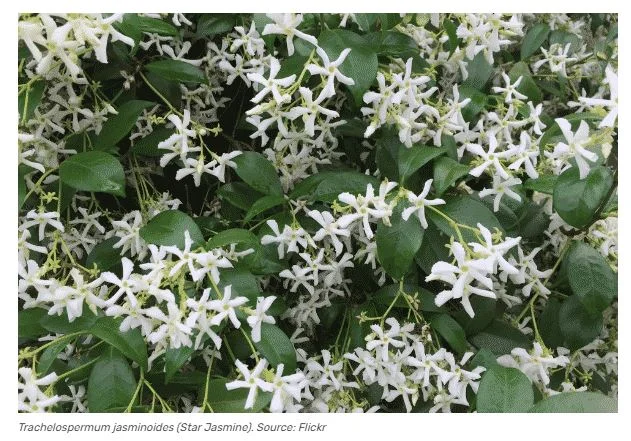
- Trachelospermum jasminoides (Star jasmine) – Part shade. Needs sturdy support for climbing.
- Viburnum odoratissimum (Sweet Viburnum) – Evergreen shrub. Dense growth. Perfumed flowers.
These are excellent Spring Gardening- Time saving Plants Suggestions for instant privacy.
Three Pool Plants
A pool by itself is not going to be appealing to your outdoor space. Adding plants to soften the structure works very well if you choose wisely.
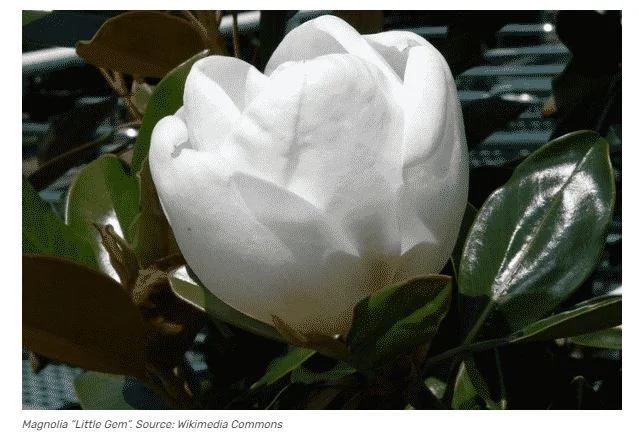
- Magnolia “Little Gem” (Magnolia) – Full sun to part shade. Perfumed flower. Compact growth habit.
- Ophiopogon jaburan (Giant lilyturf) – Best suited for dry and shade area. Grassy foliage.
- Grevillea juniperina (Prostrate Grevillea) – Suits full sun area. Low level shrub. Blooms from Spring to Winter.
Three Ground Covers
The benefits of ground cover plants are numerous, especially in summer months when they cover the soil and help it retain moisture.
- Viola hederacea (Native violet) – Best suited for part shade to shade area. Native groundcover with tiny flowers.
- Gazania tomentosa (Silver Gazania) – Full sun. Suitable for slope area. Blooms from late Spring to Summer.
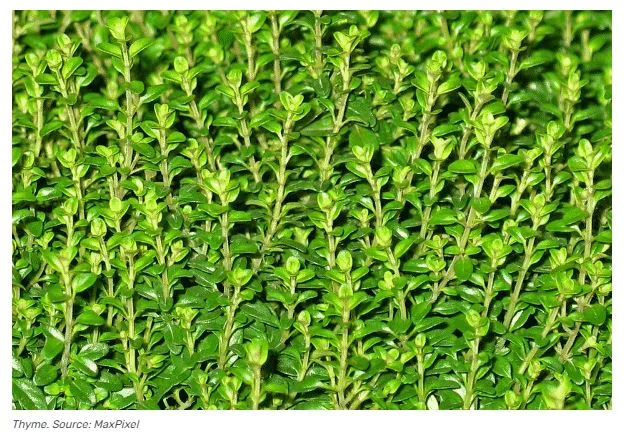
- Thyme spp (Thyme) – Suitable for all weather conditions. Full sun. Aromatic leaves.
These work well with Spring gardening tips for beginners, as they are easy to grow.
Three Edible Perennials
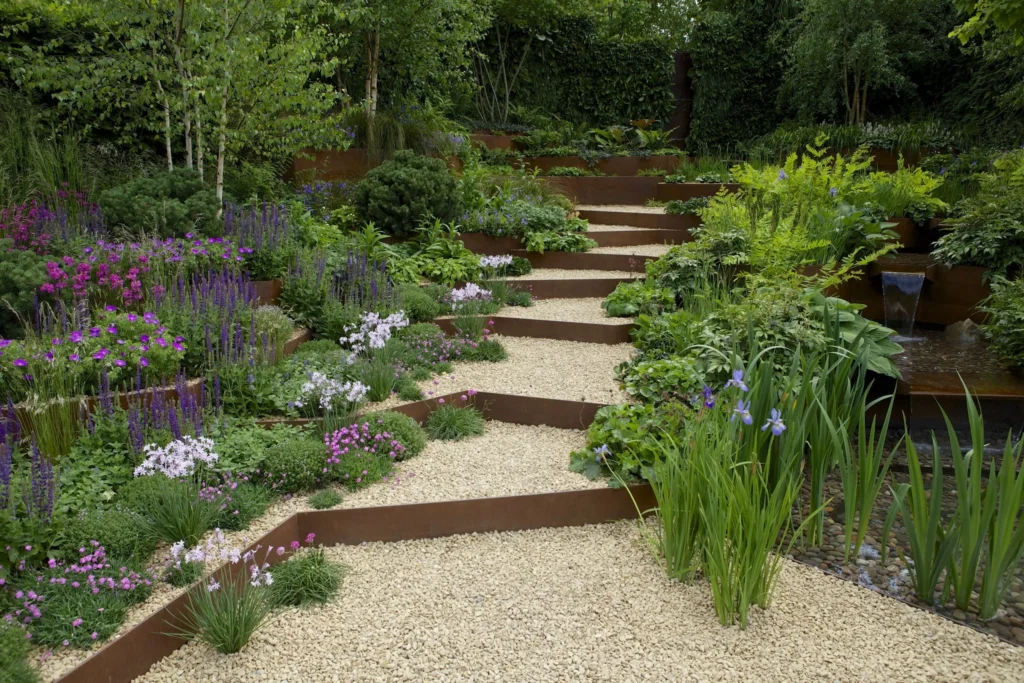
Who doesn’t love bringing in good produce from the garden? Planting perennials makes it easier to enjoy harvest every year.
- Mint (though roots can be invasive)
- Ginger
- Pomegranate
Three Annuals/Biennials Plants
Here are some easy-care annuals to grow among your perennials.
- Beans
- Spinach
- Potato
These vegetables can be started as Spring Gardening- Time saving Plants Suggestions in your edible beds.
Cost & Buying Tips
The plants listed here are available in most retail and online nurseries. Cost will vary based on the size of the plant. For cost-effective choices, buy seeds, seedlings and tubestock. If you want quick results, opt for larger plants. These are among the best flowers to plant in spring Australia for both budget and time-saving gardening.
Things to Plant in the Vegetable Garden
Spring Gardening – Time Saving Plants Suggestions can help you grow productive crops without constant upkeep. Consider vegetables that establish quickly and thrive in changing spring conditions in Australia. These choices provide steady harvests while allowing beginners to learn essential care steps at a comfortable pace.
- Lettuce and leafy greens grow rapidly in cooler early spring weather and require minimal garden space. They can be cut-and-come-again, giving repeated harvests without replanting, which is ideal for those seeking efficiency.
- Tomatoes are a favourite for warm-season planting and flourish in sunny positions once frost risk passes. Selecting disease-resistant varieties reduces issues and saves time on maintenance.
- Zucchini and squash offer generous yields even with limited attention and are perfect for Spring gardening tips for beginners. Their broad leaves help suppress weeds, making the garden easier to manage.
- Herbs like basil, parsley, and mint are hardy, easy to grow, and provide ongoing fresh flavour for your kitchen. They thrive in pots or beds, making them versatile choices when designing spring spaces.
- Carrots and beetroot grow well in loose, prepared soil and reward gardeners with nutritious harvests. These root vegetables store well, making them practical for Winter garden preparation for spring, as seedlings can go in early.
Trees, Shrubs and Climbers to Plant
Adding structure to your garden enhances visual appeal and long-term growth success. Perennial plants provide shade, biodiversity, and continuous seasonal interest with minimal replacement needs. Selecting varieties suited to your climate ensures resilience throughout spring’s warming temperatures.
- Citrus trees such as lemon and mandarin bring colour, fragrance, and fruit to backyard spaces. They appreciate full sun and benefit from mulching to retain moisture during warmer months.
- Camellias offer lush evergreen foliage and beautiful blooms, thriving in part shade. They contribute elegance to pathways or garden borders while supporting pollinators in cooler months.
- Wisteria and climbing jasmine are stunning climbers that create living walls or pergola canopies. Their cascading flowers add charm while helping to shade outdoor areas naturally.
- Kangaroo paw shrubs are uniquely Australian and handle heat and drought effectively once established. Their vibrant flowers attract native birds, adding movement and life to the landscape.
- Grapevines serve both decorative and productive purposes, creating dappled shade through summer. They grow vigorously and can be trained along fences or arbors for space-efficient fruiting displays.
Annuals and Perennials for Your Flower Garden
When planning colourful flower beds, mix fast-flowering annuals with hardy perennials that return each season. Choose options suited to your climate zone and yard conditions, especially if you need Flowers to plant in spring Australia full sun. This approach delivers constant blooms and structure across different months.
- Petunias and marigolds are bright, long-flowering annuals that thrive in sunny areas and handle varied soils. They can be quickly planted as bedding or container displays, excellent for Spring gardening tips for beginners.
- Lavender is a sun-loving perennial with fragrant foliage that helps deter pests naturally. Its grey-green leaves complement many garden styles, and it survives dry conditions once mature.
- Daisies and salvias attract bees, butterflies, and other beneficial insects while providing cheerful colour. These resilient perennials bloom generously, supporting a healthier and more vibrant ecosystem.
- Snapdragons come in a wide range of hues and are easy to manage for seasonal flower impact. Planting them early ensures strong growth and long-lasting blossoms throughout spring and summer.
- Daylilies multiply over time and handle full sun exceptionally well, making them low-maintenance investments. Their striking flowers emerge repeatedly during warmer months, maintaining interest with little effort.
What to plant in spring by growing region
Spring planting choices vary widely depending on climate, rainfall patterns, and temperature ranges, making regional awareness essential for healthy growth and higher yields. Understanding frost risk, soil warmth, and daylight hours helps determine which plants establish quickly and thrive through the season.
- Warm and temperate coastal regions (e.g., New South Wales, parts of Queensland): These areas experience mild winters and early soil warming, allowing a wide range of vegetables and ornamentals to be planted early. Tomatoes, capsicum, zucchini, basil, and cucumbers establish well, while flowering plants like petunias and marigolds provide fast colour and attract pollinators. In places where spring gardening sydney is common, consistent watering and mulching help young plants cope with variable spring rainfall.
- Cool and frost-prone regions (e.g., southern Victoria, Tasmania, inland highlands): Spring temperatures can fluctuate significantly, so planting should focus on cold-tolerant crops early in the season. Leafy greens such as spinach, silverbeet, lettuce, peas, and broad beans grow reliably, while flowering options include pansies and violas. Tender plants are best delayed until the risk of late frost has passed, ensuring strong root development and reduced plant stress.
- Mediterranean and dry-summer regions (e.g., South Australia, parts of Western Australia): These regions benefit from planting drought-tolerant vegetables and herbs that handle dry conditions as temperatures rise. Eggplant, chillies, tomatoes, rosemary, thyme, and oregano perform well when planted in spring and supported with deep watering. Across spring gardening in australia, soil improvement with compost is especially valuable here to increase moisture retention.
- Subtropical and tropical regions (e.g., northern Queensland): Warmer nights and higher humidity allow rapid growth but also increase pest and disease pressure. Sweet corn, pumpkin, okra, beans, and tropical herbs like lemongrass grow vigorously during spring. Adequate spacing and airflow are important to reduce fungal issues, particularly as rainfall increases later in the season.
Plan out your maintenance schedule
A clear maintenance schedule during spring ensures plants establish strong roots, resist pests, and maintain steady growth. Regular attention during this season reduces problems later and supports long-term garden health.
- Soil preparation and feeding: Begin spring by enriching soil with compost or well-rotted organic matter to restore nutrients depleted over winter. Light applications of balanced fertiliser support new growth, while avoiding overfeeding that can lead to weak, leafy plants. In areas focused on spring gardening sydney, improving drainage is equally important due to occasional heavy rains.
- Watering and mulching routines: Young spring plants require consistent moisture while roots are developing, especially during dry or windy periods. Mulching with straw, bark, or sugarcane reduces evaporation, moderates soil temperature, and suppresses weeds. This practice is widely recommended across spring gardening in australia to conserve water and protect soil structure.
- Weeding, pruning, and pest monitoring: Spring weeds grow quickly and compete aggressively for nutrients, so regular removal prevents them from establishing deep roots. Pruning damaged or overcrowded growth improves airflow and encourages healthier branching. Frequent checks for aphids, caterpillars, and fungal issues allow early intervention before problems spread.
- Ongoing observation and adjustments: Spring conditions can change rapidly, making observation a key part of maintenance. Adjust watering, feeding, and plant support as temperatures rise and growth accelerates. This responsive approach helps maintain balance and ensures plants transition smoothly into the warmer months ahead.
Why Grow Your Own Spring Vegetables?
Growing your own vegetables is one of the most rewarding parts of spring gardening in Australia. As the season brings warmer temperatures and longer daylight hours, it creates the perfect environment for growing fresh, healthy produce right in your backyard.
One of the main benefits is freshness and nutrition. Homegrown vegetables are harvested at their peak, which means better taste and higher nutritional value compared to store-bought options. You also have full control over how your food is grown, making it easier to maintain an organic and chemical-free garden.
Another advantage is cost savings. With rising grocery prices, growing your own vegetables like tomatoes, spinach, beans, and herbs can help reduce your weekly expenses. This is especially beneficial for households practicing spring gardening Sydney, where seasonal planting can lead to consistent yields.
If you’re looking for Spring Gardening- Time saving Plants Suggestions, consider easy-to-grow and fast-maturing crops such as lettuce, radishes, and spring onions. These require minimal maintenance and are perfect for beginners or busy gardeners.
Growing your own vegetables also supports sustainability. It reduces the need for plastic packaging, transportation, and food waste, making it an eco-friendly choice. Pairing vegetables with Flowers to plant in spring Australia full sun, like marigolds or sunflowers, can further improve your garden by attracting pollinators and naturally deterring pests.
Beyond the practical benefits, gardening also promotes mental well-being. Spending time outdoors, nurturing plants, and watching them grow can reduce stress and provide a sense of accomplishment.
Using a Planting Calendar for Your Spring Garden
A planting calendar is an essential tool for successful spring gardening in Australia, helping you plan what to plant and when. Since climate conditions vary across regions, following a calendar ensures your plants grow in the most suitable environment.
For gardeners focusing on spring gardening Sydney, a planting calendar provides guidance based on local weather patterns. This helps avoid common mistakes such as planting too early or too late, which can impact growth and yield.
Using a planting calendar offers several key benefits:
- Better planning: Organise your planting, watering, and harvesting schedules efficiently
- Improved yields: Planting at the right time increases productivity
- Reduced risks: Avoid damage from unexpected weather changes
- Efficient gardening: Save time by knowing exactly what tasks to perform each week
For those interested in Spring Gardening- Time saving Plants Suggestions, a planting calendar can highlight low-maintenance crops like zucchini, cucumbers, and beans that thrive during spring with minimal effort.
It also helps you plan for Flowers to plant in spring Australia full sun, ensuring your garden remains colourful and lively throughout the season. Popular choices include zinnias, cosmos, and petunias, which flourish in sunny conditions and complement vegetable patches beautifully.
In spring gardening in Australia, timing is everything. A well-structured planting calendar acts as your roadmap, guiding you through each stage of the gardening process—from sowing seeds to harvesting—while helping you stay organised and productive.
By combining proper planning with the right plant choices, you can create a thriving, low-maintenance garden that saves time and delivers excellent results.
A Final Tip
Get the kids involved! Take them shopping to pick plants, give them their own tools, and encourage them to dig around. This is a fun way to start with Spring gardening tips for beginners. You’ll be sowing a lifelong habit.
Spring Gardening- Time saving Plants Suggestions are not only about saving effort but also about creating an enjoyable, thriving space. With the right choices, you can enjoy blooms, food, and greenery every season.