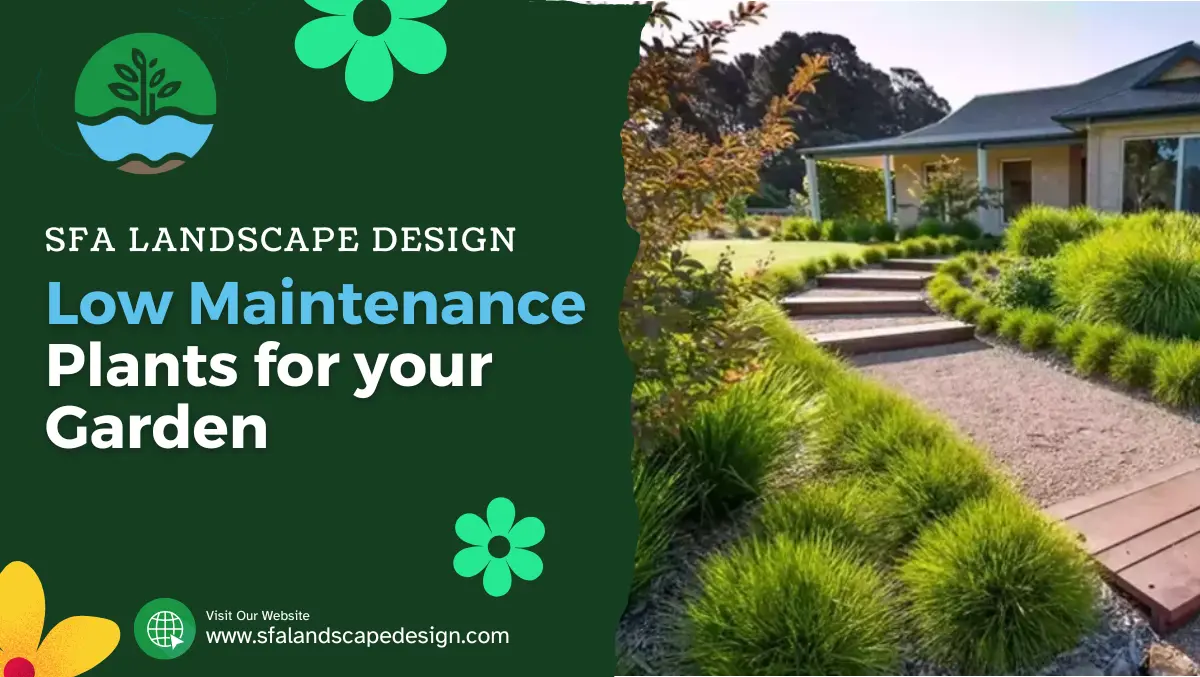
Designing a garden that looks beautiful yet requires minimal upkeep is a dream for many homeowners. In regions like Australia, where the climate can be varied—ranging from scorching summers to cooler winters—choosing the right plants is crucial. That’s where low maintenance plants for your garden in Australia come into the picture. These plants thrive with little effort, withstand seasonal challenges, and bring year-round beauty without demanding constant attention.
Top 5 Low Maintenance Plants for your Garden
Let’s explore some excellent plant options like Hebe, Alyssum, Gardenia, Nasturtium, and climbers, followed by the benefits of these choices and practical tips to keep your garden flourishing.
Hebe
Hebe is one of the most reliable low maintenance plants for your garden in Australia. Known for its compact form, evergreen leaves, and vibrant flowers, Hebe is highly versatile and fits well into different types of landscapes.
- Year-round greenery: Hebe provides a lush, evergreen look, making it an excellent choice for homeowners who want consistent greenery throughout the year without seasonal bare patches.
- Attracts pollinators: The plant produces colorful blooms that attract bees and butterflies, enhancing biodiversity in your garden naturally.
- Minimal care requirements: It adapts well to Australian soil conditions, requiring only moderate watering and occasional pruning to maintain its shape.
With its resilience and aesthetic appeal, Hebe stands as one of the best low maintenance plants for your garden in Australia.
Alyssum
Alyssum, often admired for its sweet fragrance and delicate clusters of flowers, is a practical choice for gardeners who value beauty with ease.
- Effective ground cover: Alyssum spreads quickly, suppressing weed growth and reducing the time you spend on garden maintenance.
- Fragrance and color: Its white or purple blooms release a light honey-like scent, adding a sensory delight to outdoor spaces while brightening garden beds.
- Adaptability: It thrives in different conditions, including low-maintenance outdoor plants full sun, and requires minimal watering once established.
This makes Alyssum a great choice for borders, rockeries, and even hanging baskets, blending functionality with ornamental charm.
Gardenia
Gardenias are often thought of as delicate, but with the right positioning, they can also serve as low maintenance plants for your garden in Australia.
- Timeless elegance: Gardenia flowers are large, creamy-white, and beautifully scented, creating a focal point in any outdoor space.
- Low upkeep once established: While they need care during the early stages, mature gardenias adapt well and flourish with moderate watering and occasional pruning.
- Ideal for front gardens: They enhance curb appeal, making them excellent choices for low-maintenance plants for front garden spaces.
By planting gardenias near pathways or entrances, you can enjoy their fragrance while adding a touch of sophistication to your home.
Nasturtium
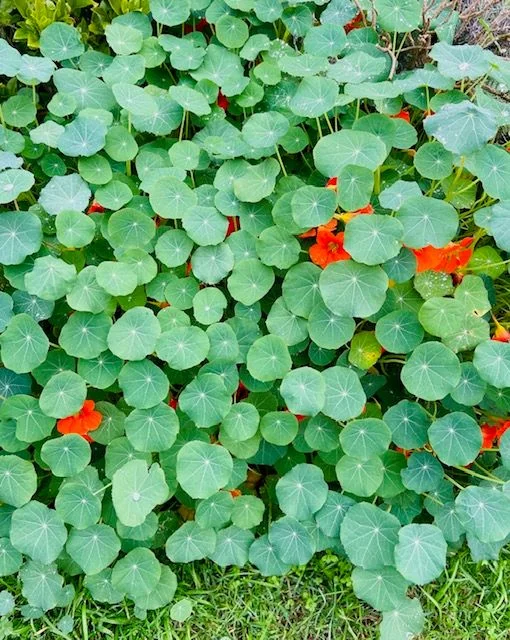
Nasturtiums are hardy plants known for their cheerful flowers and multifunctional uses. They are excellent for those who want practical yet low maintenance garden ideas.
- Edible and ornamental: Both the leaves and flowers are edible, adding peppery flavor to salads, while their bright colors bring vibrancy to garden beds.
- Thrives in poor soils: Unlike many plants, nasturtiums perform well in nutrient-poor soil, meaning less need for fertilizing or soil conditioning.
- Pest management: They act as companion plants, drawing pests like aphids away from other valuable crops.
With their low demand for attention and high visual impact, nasturtiums are ideal for vegetable gardens and decorative borders alike.
Climbers
Climbers offer both beauty and functionality, making them a staple in low maintenance plants for your garden in Australia.
- Efficient space use: Climbers like jasmine or bougainvillea grow vertically, perfect for small yards or adding green walls without occupying ground space.
- Shade and privacy: They create natural barriers that offer shade, reduce heat, and enhance privacy in your outdoor spaces.
- Resilient choices: Many climbers thrive in Australia’s climate, particularly low-maintenance outdoor plants full sun, needing little more than occasional pruning.
Climbers are versatile, fitting seamlessly into pergolas, fences, and trellises, while reducing the monotony of plain walls.
Benefits of Choosing Low-Maintenance Plants
Opting for low maintenance plants for your garden in Australia comes with several advantages beyond just reducing work.
- Saves time and effort: These plants are self-sufficient, requiring little watering, fertilizing, or pruning, making them ideal for busy lifestyles.
- Sustainable gardening: Low-maintenance varieties often need less water and fewer chemicals, aligning with eco-friendly practices and conserving resources.
- Resilience to climate: Australian weather can be harsh, but plants like Hebe, Gardenia, and climbers can withstand temperature extremes with minimal intervention.
- Boosts property value: A well-kept garden filled with low-maintenance plants for front garden instantly increases curb appeal and property value without ongoing costs.
- Supports biodiversity: Many of these plants, such as Alyssum and Nasturtium, attract pollinators and beneficial insects, strengthening the ecosystem in your backyard.
The combination of beauty, function, and sustainability makes them an attractive choice for homeowners.
Practical Tips for Ensuring Plant Health
Even the most low maintenance plants for your garden in Australia benefit from some essential care practices. By following these tips, you can ensure your plants remain healthy and thriving year-round.
- Choose the right plant for the right place: Select species suited to your region’s soil type, sunlight levels, and rainfall. For example, Alyssum and climbers thrive as low-maintenance outdoor plants full sun, while Gardenias prefer partial shade.
- Prepare the soil well: Invest time in preparing the soil with compost or organic matter at the start. Good soil reduces the need for constant fertilizing later.
- Water wisely: Deep watering once or twice a week encourages plants to develop strong root systems, reducing water needs in the long term. Avoid shallow, frequent watering, which weakens roots.
- Mulching benefits: Adding a thick mulch layer conserves moisture, suppresses weeds, and improves soil quality, which aligns with many low maintenance garden ideas.
- Minimal pruning when necessary: Light pruning helps maintain plant shape and encourages new growth. Over-pruning, however, can stress plants, especially species like Hebe and Gardenia.
- Monitor for pests naturally: Incorporate plants like Nasturtiums that deter pests, reducing reliance on chemical sprays and promoting natural garden balance.
- Fertilize sparingly: Use slow-release fertilizers once or twice a year to support steady growth without overloading plants with nutrients they don’t need.
By applying these practical steps, you can enjoy vibrant, long-lasting gardens that require minimal input.
Low Maintenance Garden Ideas
Integrating low maintenance plants for your garden in Australia doesn’t mean compromising on style or creativity. Thoughtful design enhances beauty while keeping upkeep manageable.
- Use layered planting: Combine taller climbers with medium shrubs like Hebe and low ground covers such as Alyssum to create depth and visual interest. This reduces the need for constant rearranging.
- Opt for perennial favorites: Perennial plants return year after year, saving you from seasonal replanting. Gardenias and Hebes are excellent perennials that blend seamlessly with seasonal blooms.
- Design functional spaces: Incorporate climbers along pergolas or fences to create shaded seating areas, combining comfort with greenery.
- Play with textures and colors: Mix plants with contrasting foliage and blooms, like Nasturtium’s bright flowers against Hebe’s glossy leaves, to create dynamic garden designs with little effort.
- Focus on drought-tolerant choices: Many low maintenance plants for your garden in Australia are drought-resistant, reducing watering needs during hot summers.
These ideas not only simplify gardening but also add personality and character to your outdoor space.
What Should I Consider for My Low-Maintenance Garden?
- Match plants to your climate and microclimate. Choose species that are naturally adapted to your local rainfall, temperature range, and soil type so they need less watering, feeding, and protection. Assess shady corners, full-sun beds, and windy exposures separately so each plant is placed where it will thrive with minimal intervention.
- Prioritise soil health before planting. A single investment in improving soil structure — through compost, well-rotted mulch, or a one-time soil improvement program — reduces long-term maintenance by improving water retention and nutrient availability. Healthy soil means fewer fertiliser applications, less watering, and stronger, disease-resistant plants.
- Use drought-tolerant and perennial species. Perennials and drought-hardy plants establish root systems that require less frequent watering and fewer replacements than annuals. Select plants described as Low Maintenance Plants for your Garden to ensure longevity and low upkeep.
- Design with simple, low-maintenance hardscaping. Gravel paths, permeable pavers, and raised beds reduce weeding and soil compaction while giving structure to the space. Hardscape also creates clear planting zones and reduces lawn area, cutting down on mowing, edging, and irrigation.
- Group by water needs (hydrozoning). Planting species with similar moisture requirements together prevents overwatering or underwatering and makes irrigation systems simpler to manage. Hydrozoning lowers water waste and reduces the risk of root rot or stress from inconsistent moisture.
- Choose mulches and groundcovers wisely. A 5–8 cm (2–3 inch) layer of organic mulch or dense groundcover suppresses weeds, moderates soil temperature, and slowly feeds the soil as it decomposes. This single step dramatically reduces weeding and moisture loss during hot seasons.
- Adopt low-maintenance irrigation and smart watering. Drip irrigation or soaker hoses combined with a programmable timer and a rain sensor delivers water directly to roots with minimal waste and oversight. This approach is especially effective when using low-maintenance outdoor plants full sun, which benefit from deep, infrequent watering.
- Limit lawn or choose low-care turf alternatives. Lawns are often the most labour-intensive element; reduce size or replace sections with gravel, low-growing groundcover, or paving. If turf is necessary, consider slow-growing varieties or synthetic turf in high-traffic, purely ornamental areas to cut mowing and fertiliser needs.
- Select pest- and disease-resistant varieties. Many modern cultivars have been bred for resistance to common pests and fungal diseases, lowering the need for sprays or frequent inspection. Choosing resistant plants reduces reactive maintenance and keeps the garden looking refined with less effort.
- Plan for easy seasonal maintenance. Design planting schemes with predictable, short maintenance windows (for pruning, dividing perennials, or one annual mulch refresh) rather than ongoing daily chores. Schedule small, focused sessions each season rather than continuous micro-tasks to keep upkeep efficient.
Why Low-Maintenance Planting Matters for Luxury Homes
- Sustains a polished aesthetic with minimal labour. Luxury homes often require a consistently immaculate exterior; selecting Low Maintenance Plants for your Garden ensures neat structure, reliable flowering, and tidy foliage without daily gardener oversight. High-quality plant choices create an enduring impression that aligns with an upscale property’s standards.
- Protects landscape investment and reduces running costs. Mature plantings, smart irrigation, and durable hardscapes represent substantial upfront investment; low-maintenance planting lowers ongoing costs for water, labour, and replacement plants. Over time, savings compound and preserve the estate’s long-term value while keeping maintenance predictable.
- Supports privacy and screening with less fuss. Evergreen hedges, sculptural grasses, and slow-growing shrubs establish privacy quickly and remain manageable with minimal pruning. These options deliver the functionality of screening and noise dampening while avoiding frequent trimming or corrective maintenance.
- Enhances sustainability and environmental credentials. Using drought-tolerant species and efficient irrigation reduces water consumption and energy used for maintenance activities, which is increasingly important for high-end properties that emphasise sustainability. A carefully curated selection of low-maintenance outdoor plants full sun and shade-tolerant specimens demonstrates stewardship and modern design thinking.
- Creates spaces for living rather than labour. Luxury landscapes are extensions of the home — places for entertaining, relaxing, and recreation — and low-maintenance planting shifts the focus from upkeep to enjoyment. Homeowners and guests benefit from thoughtfully designed outdoor rooms that stay attractive with minimal gardener hours.
- Enables scalable, high-quality design details. When the basic plant palette is low-maintenance, design resources can be allocated to premium materials, lighting, sculptures, and water features that require less care but add real luxury. This balance lets designers layer texture and form without creating a maintenance burden.
- Delivers reliable seasonal interest without heavy management. A curated mix of perennials, ornamental grasses, and architectural shrubs can provide year-round structure, winter silhouette, spring flushes, and autumn colour with minimal intervention. Thoughtful selection of Low maintenance garden ideas like multi-season performers and long-blooming shrubs produces continuous refinement without constant replanting.
- Supports resale appeal and marketability. Prospective buyers of high-end properties often prefer gardens that look spectacular but don’t demand excessive gardening staff or time. A landscape built around Low maintenance garden ideas signals quality, practicality, and thoughtful stewardship — attributes that add to the property’s desirability.
Why Do Low-Maintenance Landscapes Suit Sydney’s Climate?
Sydney’s climate is characterised by warm summers, mild winters, irregular rainfall, and periodic drought conditions. Low-maintenance landscapes are particularly well suited to these conditions because they rely on resilient plant choices and efficient design principles rather than constant intervention.
- Adaptation to variable rainfall and heat: Low-maintenance landscapes use plants that tolerate dry spells and heat without frequent watering. This reduces stress on plants during Sydney’s hot summers while ensuring they continue to perform well even when rainfall is unpredictable.
- Reduced water dependency: Designing with drought-tolerant species and water-wise layouts helps conserve water during dry periods. Using mulching, ground covers, and efficient irrigation ensures moisture is retained in the soil for longer, making these landscapes practical for long-term sustainability.
- Lower ongoing upkeep: By choosing Low Maintenance Plants for your Garden, tasks such as pruning, mowing, and fertilising are significantly reduced. This approach suits busy households while still delivering a visually appealing outdoor space throughout the year.
- Improved soil and plant resilience: Many low-maintenance designs focus on improving soil health through organic matter and minimal disturbance. Healthier soil supports stronger root systems, which helps plants withstand heat, wind, and periods of limited rainfall common in Sydney.
Are Native Australian Gardens Easy to Maintain?
Native Australian gardens are widely recognised for their ease of care, particularly when designed to match local climate and soil conditions. These gardens thrive with minimal input because the plants have evolved to survive Australia’s unique environment.
- Naturally suited to local conditions: Native plants are adapted to Sydney’s climate, including dry summers and nutrient-poor soils. As a result, they generally require less watering, fertilising, and soil modification compared to exotic species.
- Reduced need for pruning and chemicals: Many natives grow slowly and maintain their shape naturally, limiting the need for regular pruning. Their natural resistance to pests and diseases also reduces reliance on chemical treatments, supporting a healthier garden ecosystem.
- Ideal for front and full-sun areas: Native species are excellent low-maintenance plants for front garden spaces where full sun exposure is common. Options such as grevillea, lomandra, and kangaroo paw perform well as low-maintenance outdoor plants full sun, offering structure and colour with minimal effort.
- Long-term sustainability and visual appeal: Using the Best low maintenance plants for your garden in Australia enhances biodiversity while maintaining visual interest year-round. Native gardens also attract birds and beneficial insects, creating a dynamic landscape that remains easy to manage.
Can Mediterranean-Style Gardens Save Time & Water?
Mediterranean-style gardens are another effective low-maintenance option for Sydney, as they mirror the region’s warm, dry summers and mild winters. These gardens prioritise water efficiency, structural planting, and durable materials.
- Water-wise plant selections: Mediterranean gardens rely on drought-tolerant plants such as lavender, rosemary, olive trees, and succulents. These species thrive with minimal irrigation once established, significantly reducing water use over time.
- Efficient garden structure and layout: Gravel paths, stone features, and mulched beds help suppress weeds and retain soil moisture. This reduces the time spent on weeding and watering while maintaining a clean, structured appearance.
- Low ongoing maintenance demands: Plants used in Mediterranean designs typically require minimal pruning and infrequent feeding. This makes them some of the Best low maintenance plants for your garden in Australia, especially for homeowners seeking a practical yet attractive outdoor space.
- Strong performance in sunny locations: Mediterranean plants are well suited to exposed areas and function effectively as low-maintenance outdoor plants full sun. When combined with thoughtful spacing and soil preparation, they create durable landscapes that save both time and water without compromising visual appeal.
Conclusion
Choosing low maintenance plants for your garden in Australia is a smart decision that blends beauty, sustainability, and practicality. From the fragrant elegance of Gardenia to the hardy vibrance of Nasturtium, each plant brings unique advantages while keeping effort low. Incorporating Hebe, Alyssum, and climbers further enriches your garden with color, coverage, and versatility.
By focusing on thoughtful design, eco-friendly practices, and resilient plant choices, you can create a flourishing outdoor retreat without endless maintenance. Whether you’re exploring low-maintenance plants for front garden, experimenting with low maintenance garden ideas, or selecting low-maintenance outdoor plants full sun, the possibilities are endless. For those seeking the best low maintenance plants for your garden in Australia, the options highlighted here provide the perfect starting point.