If you’re building a new home, landscaping your new home is an essential element of your planning process. As a reflection of ourselves, our home tells the story of who we are, and so much planning and effort goes into the designing of the space inside. Equally important though, is the designing of the space outside. What kind of a garden do you envisage – flowers and shrubs and grass, decks and furniture, lighting? A pool maybe, or other water features? Having a few landscaping your new home ideas early on will help you create a balanced indoor-outdoor lifestyle.
Before You Start Constructing
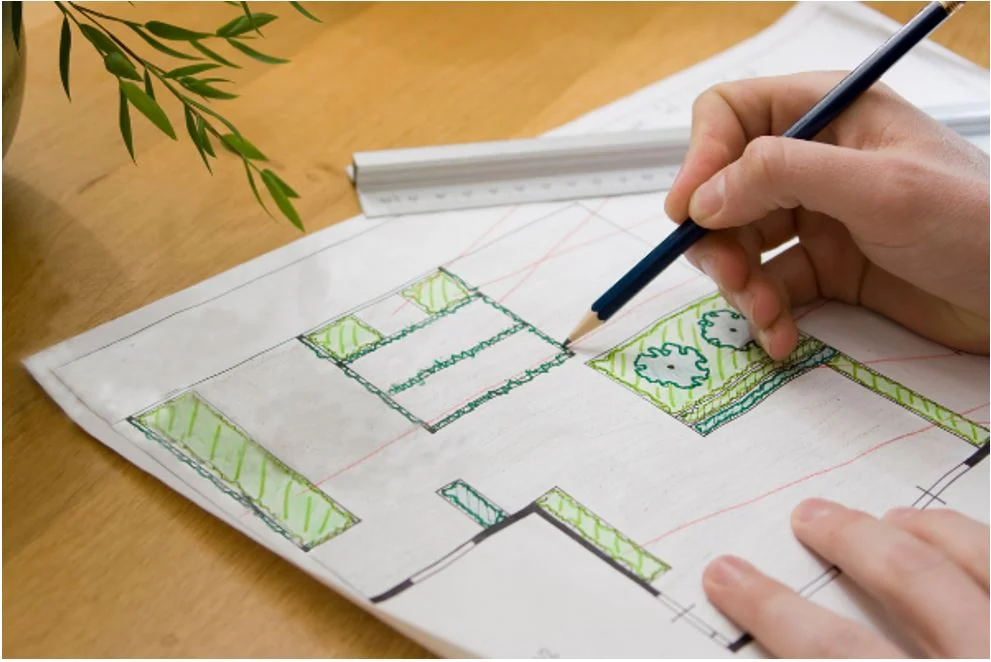
When the builder prepares approval drawings for the construction of your new home, a landscape plan must be submitted for council approval. Some builders have an in-house design team to do the landscape plan. If there is none, a landscape designer/architect would be able to prepare one for you. Consider, in your planning process, how you would like your outdoor areas to suit your family’s needs.
For example, if deck is a must-have in your outdoor space, then this needs to be indicated in the landscape plan for council approval. If you have a slope yard, a retaining wall will be needed to retain the earth and for the space to be useable for your family.
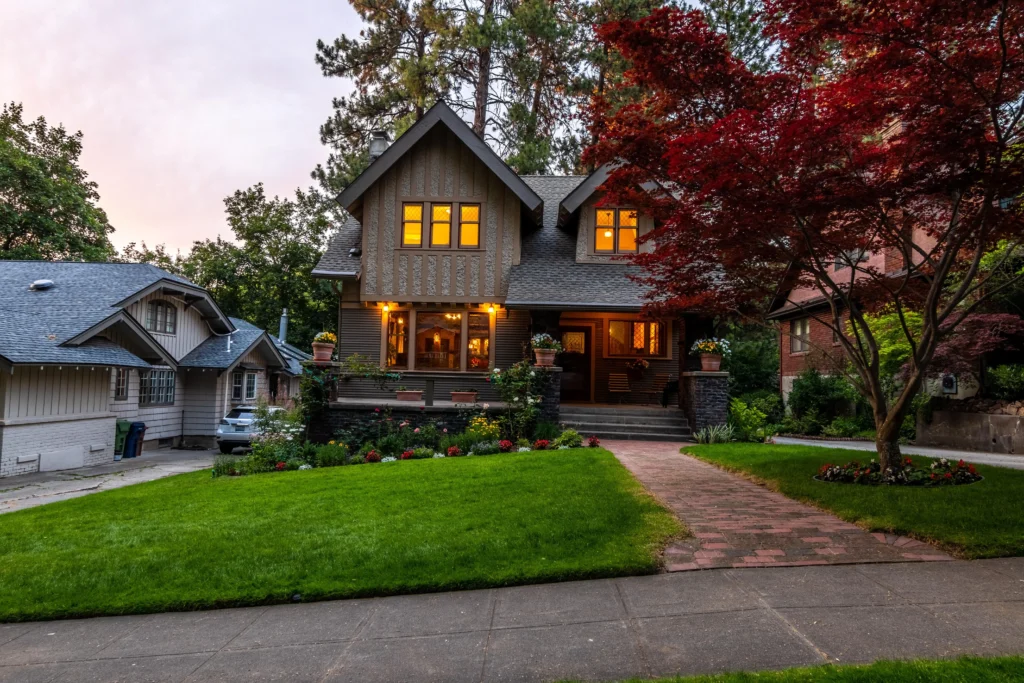
A landscape designer/architect will be able to handle these and other issues, such as what to do with an odd-shaped block, or a very steep slope. The outdoor area should marry itself well with the design of your new home, so it will be best if you engage the professionals from the start of your project. Looking at landscape design pictures front of house can also provide inspiration.
After Construction
Most builders these days engage a private certifier to gain an occupational certificate for new homeowners. In order to get the certificate, landscaping your new home will play a vital role. Below is the landscaping checklist to be ticked off once your building construction is completed.
Driveway
If you choose a custom builder, the driveway might be part of your package. Builders usually leave this to owners; in that scenario, a structural landscaper or concreter with current license needs to be engaged. To construct your driveway till the roadside kerb, a residential vehicular crossing application form needs to be submitted to the local council – they will do the required inspection before the driveway is constructed.
Swimming Pool/Plunge Pool
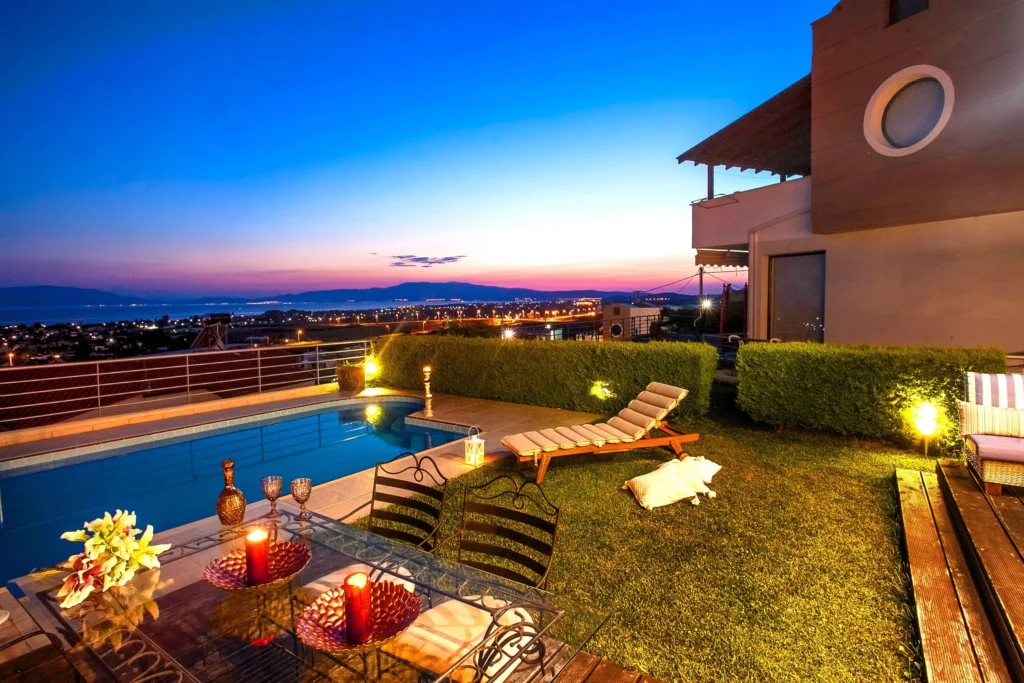
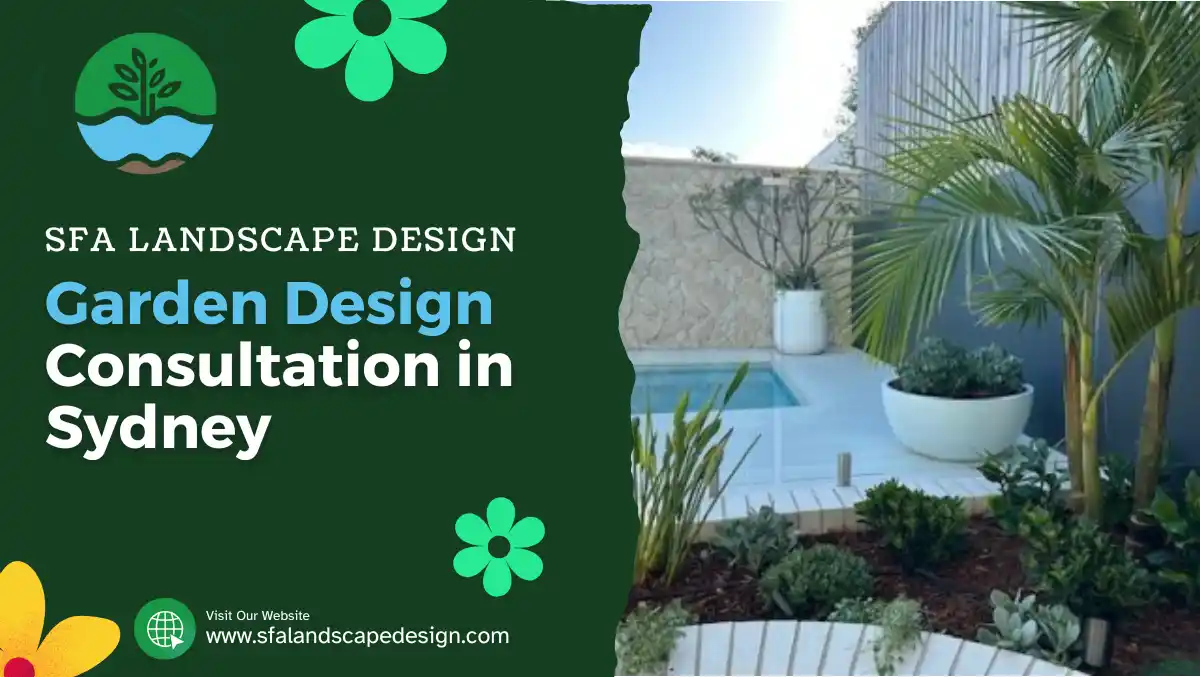
Your builder might be able to build your pool, but if they do not provide the service, a pool builder will have to be engaged. The landscape designer/architect can prepare council approval drawings and design lush greenery around the pool. Adding greenery here can also reflect simple landscape design for front of house principles.
Planting
Decide early on what sort of plants you want in your yard and the time required to maintain them. New homes built in a new development area will need to follow the developers’ design guidelines for landscaping, and council might require homeowners to plant some native plants indigenous to that environment. This step is also a key part of landscaping ideas for front of house that balance beauty and council requirements.
Retaining Wall
A retaining wall is a must if you have a slope yard. Council is very particular about the height of the retaining wall to make your outdoor space functional. You can use concrete blocks, timber or stone to build your retaining wall.
Alfresco
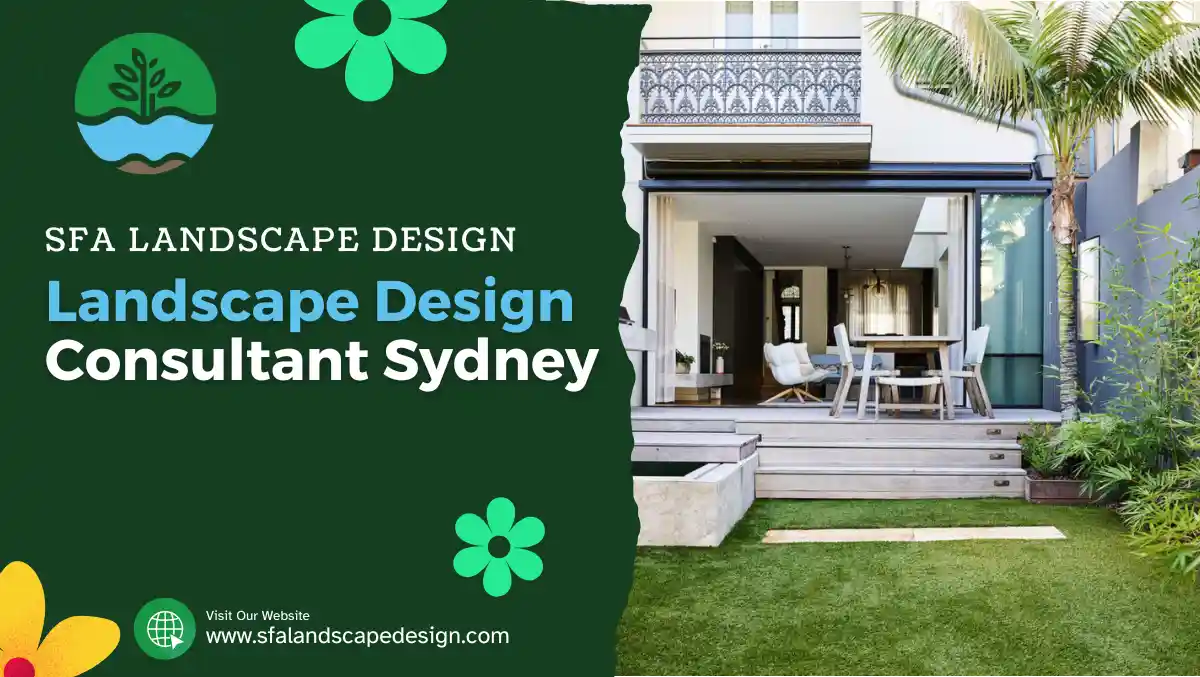
Most new homes these days have an alfresco connecting the inside and outside space seamlessly. In most cases the builder does not do the alfresco flooring. If you decide to go for decking then there are various options available depending on your budget and usage of the space. If there is no alfresco and you want to build a deck for outdoor dining and entertainment, then deck comes under hard surface for council approval. Planning carefully here can also support landscaping your new home on a budget.
Rain Garden
Recently built homes have rain gardens in their backyard. These are pits in which roof and surface water are collected. You could fill with gravel and soil and plant native shrubs – these can help filter the pollutants before the water goes to the storm water pipe, protecting the waterways. They are not only functional but also suit landscaping your new home ideas on a budget.
Fencing
It’s wise idea to budget early on about boundary fencing of your home because this may not be part of your builder’s package. Other amenities to think about when it comes to your outdoor space will be garden shed, clothesline, bin area, mailbox, lawn area, access through side yards, surface finish and paving.
Council Approvals after Construction
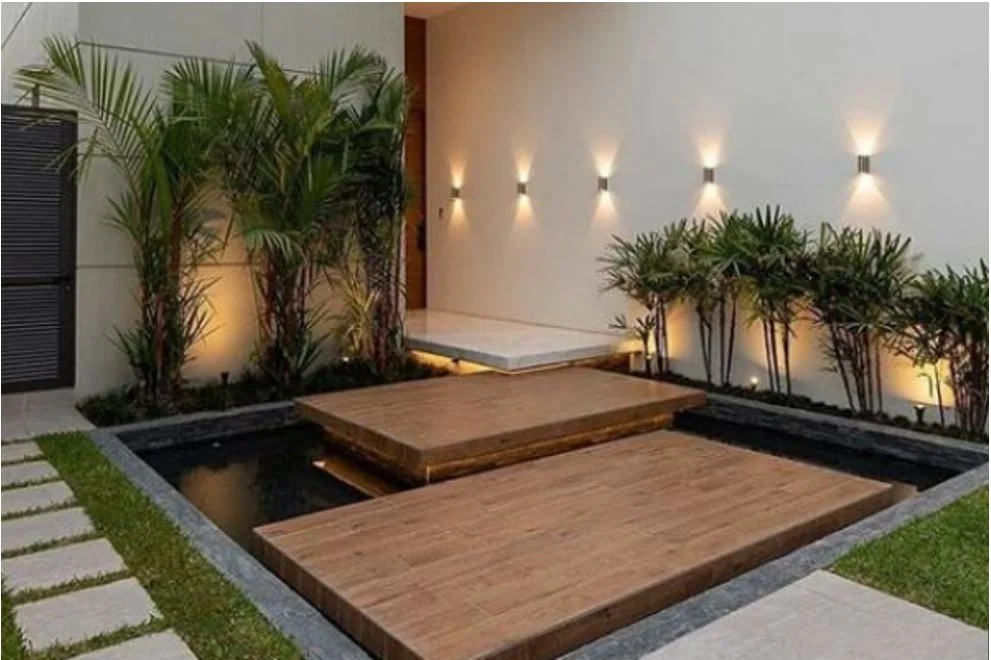
You will require council approvals for pool, retaining wall above 600 mm height etc. The proportion of soft scape (like garden bed, lawn, planting area) to hard scape (hard surface like concrete, deck etc.) needs to be at least 25 to 30 % for lot size of 500 to 900 sq m for most councils in the Sydney suburban area.
Council approval will be required if you completely change the landscape plan that was submitted as part of your building approval early on before construction. For homeowners who are looking at landscaping your new home on a budget, it’s worth noting that even small design changes may need new approvals.
Choosing the Designers and Contractors
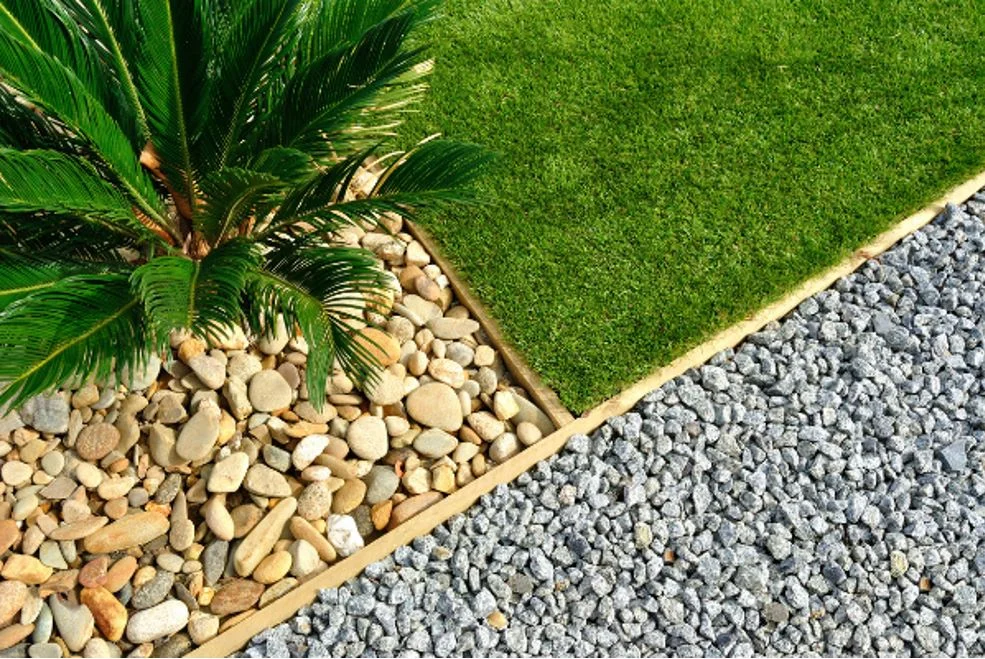
Choose a landscape designer/architect whose style you like and who understands your outdoor requirements. Most professionals offer consultations at the start of the design process and will be able to bring your vision of outdoor space to reality.
Remember, a good design can be brought to life only by quality tradespeople, so choosing the contractor is particularly important to achieve your dream outdoor space. Whether you’re considering landscaping your new home ideas, browsing landscape design pictures front of house, or focusing on simple landscape design for front of house, professionals will guide you through.
Landscape Design Basics
Landscape design basics focus on creating outdoor spaces that are functional, visually balanced, and suited to the home’s environment. This includes understanding how elements such as plants, pathways, lighting, and hardscapes work together to form a cohesive layout. When Landscaping Your New Home, the goal is to blend aesthetics with practicality, ensuring the outdoor areas complement the architecture while supporting everyday use.
- A strong foundation in landscape design begins with layout and flow. Pathways, driveways, and open areas should guide movement naturally, making the space intuitive and comfortable to use. This approach is especially important when considering simple landscape design for front of house, where clarity and symmetry create a welcoming first impression.
- Plant selection plays a key role in long-term success. Choosing plants suited to the local climate reduces maintenance needs and improves survival rates, while layering trees, shrubs, and ground covers adds depth and visual interest. Many Landscaping your new home ideas focus on combining native plants with structured features for both beauty and resilience.
- Hardscape elements such as patios, retaining walls, and edging provide structure and durability. These features help define spaces, manage slopes, and reduce erosion, making them essential components of well-planned outdoor environments. Thoughtful hardscape design also supports Landscaping ideas for front of house by framing entrances and enhancing curb appeal.
Understanding Construction Management
Construction management in landscaping ensures that design concepts are translated accurately into finished outdoor spaces. It involves coordinating materials, schedules, and skilled labor to maintain quality and efficiency throughout the project. Proper management minimizes delays and ensures the design intent is preserved from planning to completion.
- Effective construction management starts with clear documentation and timelines. Detailed plans outline dimensions, materials, and installation methods, helping contractors execute the design correctly. This is particularly useful when implementing Landscaping your new home ideas on a budget, as it reduces costly errors and rework.
- Material coordination is another critical aspect. Ensuring plants, paving, and structural elements arrive at the right time prevents project interruptions and maintains workflow. Well-managed logistics also protect materials from damage, preserving both quality and appearance.
- Quality control is maintained through regular inspections and communication. Supervising each stage of construction ensures safety standards are met and design specifications are followed, resulting in a finished landscape that performs as intended and lasts longer.
Planning Your Landscape Design
Planning your landscape design involves aligning personal preferences with site conditions and long-term maintenance considerations. This stage transforms ideas into a practical framework that supports both beauty and usability. For homeowners Landscaping Your New Home, early planning helps integrate outdoor spaces seamlessly with indoor living areas.
- Site analysis is the first step in effective planning. Evaluating soil type, sunlight exposure, drainage patterns, and existing features allows for informed decisions about plant placement and structural elements. This analysis supports simple landscape design for front of house by ensuring plants and materials thrive in their chosen locations.
- Budget planning shapes the overall scope of the project. Allocating funds strategically allows for phased development, where essential features are installed first and enhancements added later. Many successful Landscaping your new home ideas on a budget rely on prioritizing durable materials and low-maintenance plants.
- Functional zoning improves usability and comfort. Separating areas for relaxation, play, and access creates an organized layout that feels intentional and easy to maintain. This approach also enhances Landscaping ideas for front of house by clearly defining entryways and focal points.
Legal and Insurance Considerations
Legal and insurance considerations protect homeowners and contractors throughout the landscaping process. Understanding local regulations ensures compliance and prevents disputes, while proper insurance coverage reduces financial risk. These factors are essential when implementing Landscaping Your New Home on any scale.
- Local regulations may govern fencing, drainage, tree removal, and boundary setbacks. Reviewing these requirements before construction prevents violations that could lead to fines or forced modifications. Compliance also supports smoother project execution and long-term property value.
- Contracts and permits provide clarity and accountability. Written agreements define responsibilities, timelines, and costs, reducing misunderstandings between homeowners and contractors. This transparency is especially valuable when executing detailed Landscaping your new home ideas that involve multiple stages.
- Insurance coverage safeguards against accidents and property damage. Contractor liability insurance and worker coverage protect all parties involved, while homeowner policies may need updates to reflect new outdoor structures. Proper coverage ensures peace of mind throughout the landscaping process.
Landscaping Tips for Your New Home
Landscaping Your New Home is a great opportunity to create an outdoor space that improves curb appeal and adds value to your property. With thoughtful planning, homeowners can design a landscape that is both attractive and practical. By selecting the right plants, arranging outdoor features carefully, and considering cost-effective solutions, it becomes easier to build a garden that looks beautiful and remains easy to maintain over time.
- Create a Simple Landscape Plan: Begin by observing the layout of your yard and deciding where gardens, pathways, or seating areas will go. Planning helps organize the space effectively and prevents overcrowding of plants or features. A clear design also makes it easier to expand the landscape gradually.
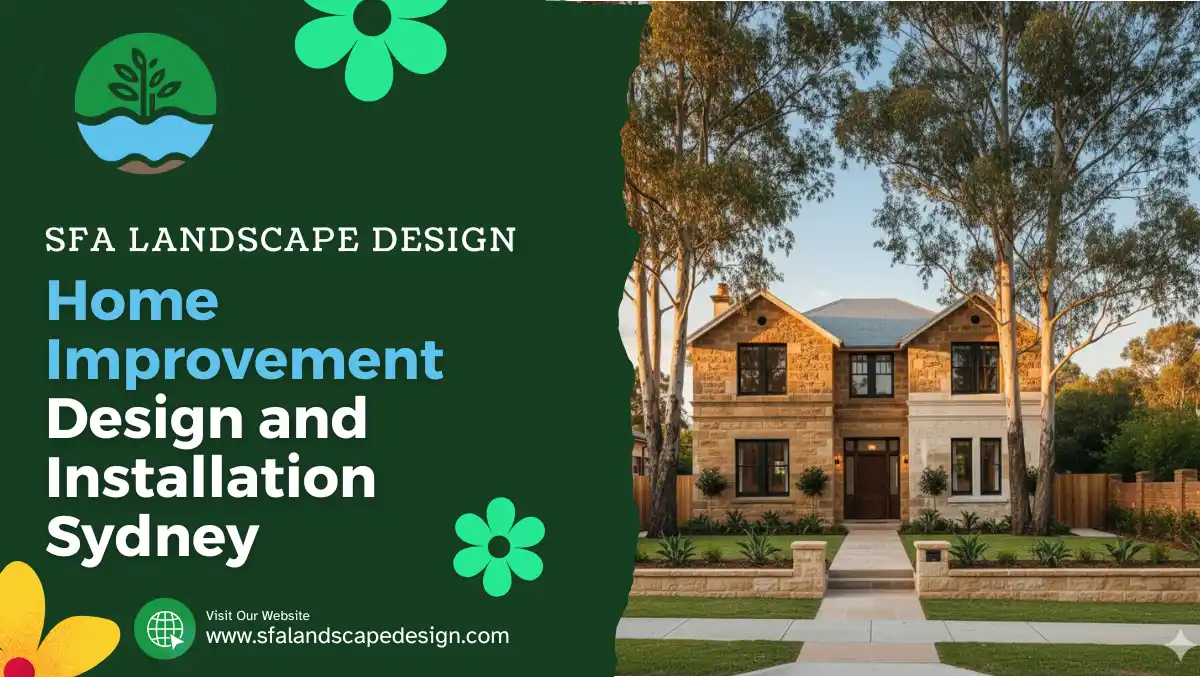
- Improve the Front Yard Appearance: Using creative Landscaping ideas for front of house can make your property more inviting. Neatly shaped garden beds, flowering plants, and a clear pathway to the entrance help create a welcoming look. Adding shrubs or small trees can also provide structure and balance to the front yard.
- Choose Low-Maintenance Plants: Select plants that grow well in your climate so they remain healthy with minimal care. Native plants often require less water and are more resistant to pests. Mixing shrubs, trees, and ground covers can add texture while keeping the landscape easy to maintain.
- Design Functional Outdoor Areas: Landscaping should support outdoor living by creating comfortable spaces for relaxing or gathering. Patios, seating corners, or shaded areas can make the yard more usable. These features also help extend the living space beyond the house.
- Add Pathways and Borders: Pathways guide movement through the yard while protecting plants from damage. Materials such as gravel, stone, or pavers can create simple but attractive walkways. Garden borders also help keep soil and mulch neatly contained.
- Use Budget-Friendly Landscaping Ideas: Many homeowners prefer Landscaping your new home ideas on a budget that still improve the yard’s appearance. Mulching garden beds, planting perennials, and using gravel instead of expensive paving can reduce costs. Gradually adding plants and features over time also helps manage the budget.
A thoughtful approach to Landscaping Your New Home allows homeowners to create a balanced outdoor environment that is attractive, functional, and easy to maintain.
Conclusion
Landscaping your new home is not just about adding plants or paving paths – it is about creating a lifestyle that reflects you and your family. From functional needs like driveways and retaining walls to aesthetic touches such as rain gardens, alfresco areas, and native planting, the right design ties everything together. Whether you are seeking landscaping your new home on a budget, exploring landscaping your new home ideas on a budget, or just want simple landscape design for front of house, the key lies in careful planning and expert execution. With the right designers and contractors, your vision can become a welcoming, sustainable, and beautiful reality.