
If you’re looking to create a garden that is beautiful, eco-friendly, and easy to maintain, exploring Landscape Design Ideas With Native Plants is the perfect starting point. Native plants are naturally adapted to Australia’s climate, making them resilient, water-wise, and low-maintenance once established. From striking flowering shrubs to versatile groundcovers and shade-giving feature trees, natives offer colour, texture, and year-round appeal.
By incorporating simple landscape design ideas with native plants, you can enjoy a lush garden without excessive upkeep. Whether you’re working with a small backyard, a large suburban yard, or planning a formal native garden design, these plants bring life, character, and sustainability to your outdoor space.
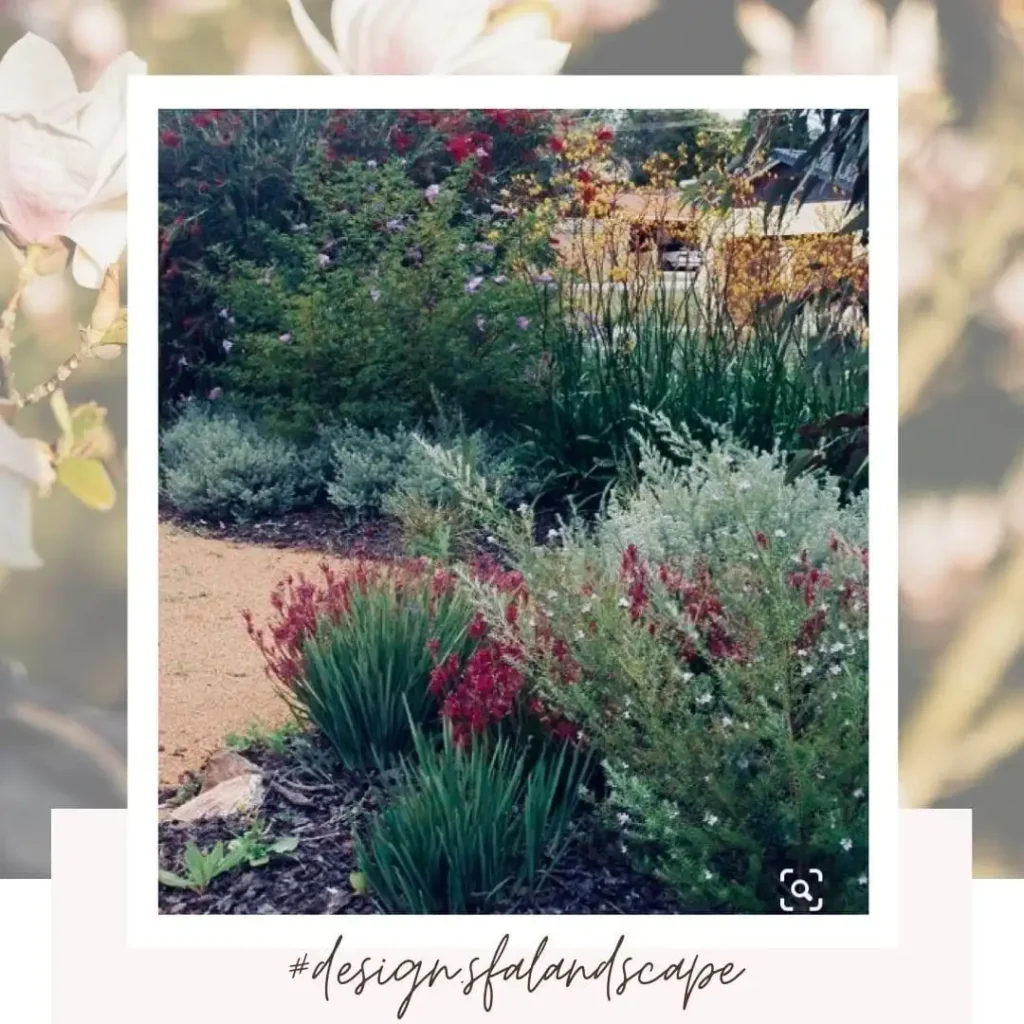
Native Plants for Your Garden
Landscape Design Ideas With Native Plants create a low-maintenance, sustainable, and water-wise garden that is worth the time and effort.
Planning to buy some new plants to freshen up your garden? Give a thought to Australian natives. Distinct and diverse, native plants do not disappoint when it comes to colour, texture, form, and foliage, and can be adapted to any style of garden. Not only will they provide aesthetic appeal, they will benefit you cost-wise: once established, they require minimal care.
When it comes to choosing native plants, it’s a wise idea to find out which natives thrive well in your particular local area. Below are a few Landscape Design Ideas With Native Plants that will thrive in suburban gardens in Sydney. (If you live outside of Sydney, drop us a note to tell us the kind of natives that grow in your area or in your garden!)
Whether you are keen on grassy plants, low-level hedging, screening plants, groundcover, feature trees, or climbers, there is a good range of native plants to choose from. These options also work perfectly in Simple landscape design ideas with native plants or even more formal native garden design projects.
Low Level Shrubs and Grass Variety
Low-level shrubs and grass varieties are the backbone of many Landscape Design Ideas With Native Plants. They are hardy, versatile, and bring year-round texture. Perfect for borders, pathways, or mass planting, these natives are both functional and ornamental.
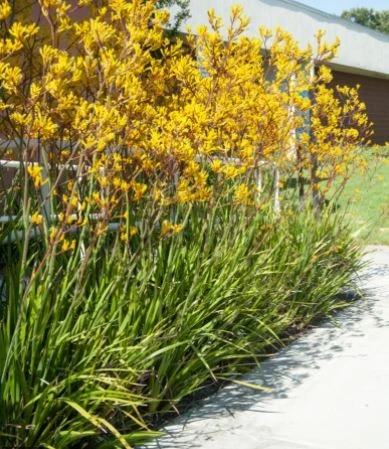
Anigozanthos (Kangaroo Paw Yellow):
Its striking blooms add instant vibrancy. Mix yellow and red varieties for a bold display that works well in both small landscape design ideas with native plants and large suburban gardens.
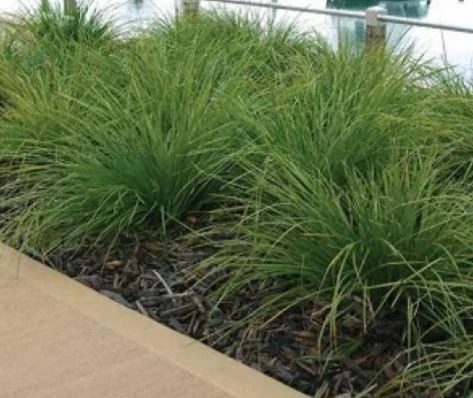
Lomandra longifolia ’Tanika’ (Lomandra):
Known for its drought tolerance, this grass-like plant suppresses weeds and keeps its green look through most of the year. Ideal for mass planting or roadside verges.
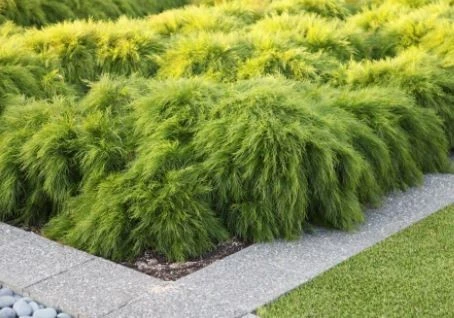
Acacia cognata ‘Limelight’ (River Wattle):
Compact and visually stunning, it creates lush green mounds, making it excellent for contemporary and formal native garden design.
Low Level Shrubs
Low shrubs offer colour, wildlife attraction, and structure to your garden without taking up much space. These are excellent options for edging or mixed planting beds.
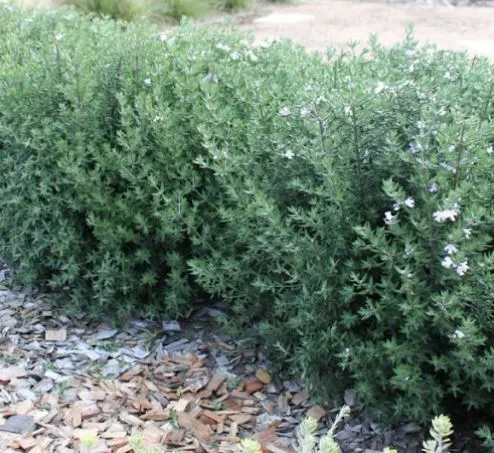
Westringia ‘Jervis Gem’ (Coastal Rosemary):
This hardy shrub thrives in coastal areas, making it perfect for Sydney gardens. Its grey-green foliage and lilac flowers provide subtle beauty.
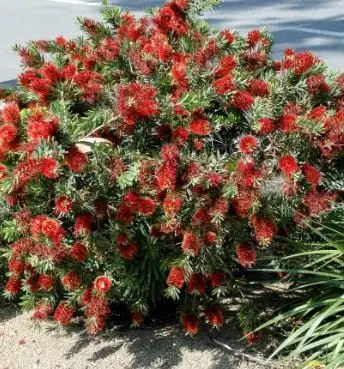
Callistemon ‘Little John’ (Dwarf Bottlebrush):
With bold red flowers, this shrub attracts birds, bees, and pollinators while giving your garden a lively look. It’s compact, neat, and suits small landscape design ideas with native plants.
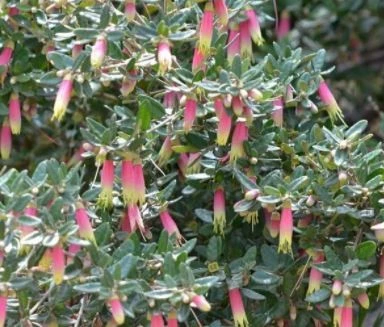
Correa reflexa (Native Fuchsia):
With tubular flowers in red and green, this shrub complements grass varieties and creates a layered garden bed. Perfect for gardeners who want colour with low upkeep.
Ground Cover
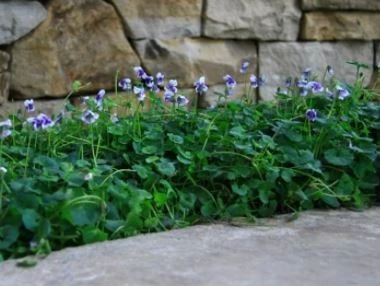
Groundcovers are vital in Landscape Design Ideas With Native Plants and Trees because they fill empty spaces, control weeds, and protect the soil. They’re excellent for narrow, awkward, or shaded spots.
Viola hederacea (Native Violet):
A great choice for shady areas, pathways, or narrow garden strips. Its purple and white flowers add charm.
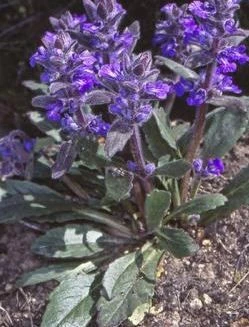
Ajuga australis prostate ‘Aussie Bugle’ (Ajuga):
With lush foliage and small blue flowers, it thrives in shaded corners and works beautifully under taller plants.
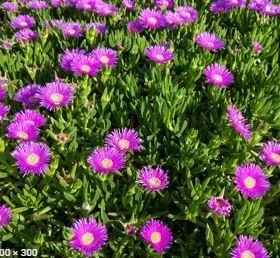
Carpobrotus (Ice Plant):
Perfect for sunny spots and poolside areas, this succulent groundcover brings both functionality and beauty with its resilience.
These options are especially effective in simple landscape design ideas with native plants, giving neat finishes with minimal maintenance.
Shrubs
Shrubs bring height, fragrance, and striking flowers to your outdoor space. They can act as natural screens, feature plants, or backdrop fillers, making them essential for Landscape Design Ideas With Native Plants.
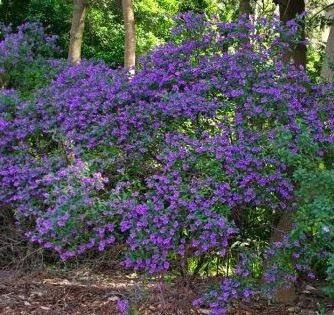
Prostanthera (Mint Bush):
Loved for its aromatic leaves and purple flowers, this fast-growing shrub makes an excellent hedge or focal plant.
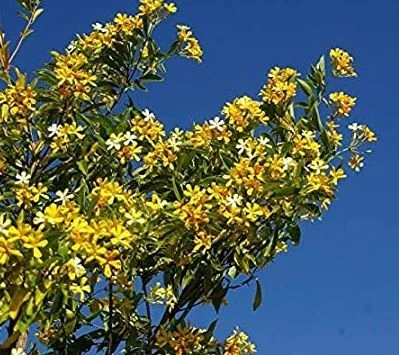
Hymenosporum flavum (Native Frangipani):
Its sweetly scented yellow and white flowers make it popular as a fence-line screen. Its upright habit is excellent for small landscape design ideas with native plants where space is limited.
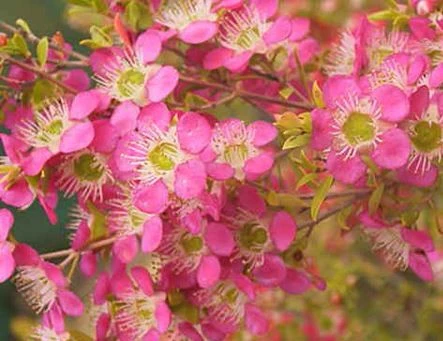
Leptospermum ‘Tickled Pink’ (Tea Tree):
This feature shrub with vibrant pink blooms is low-maintenance and thrives in Sydney’s conditions.
These choices suit both casual outdoor layouts and formal native garden design, offering colour and fragrance.
Feature Trees
Feature trees are the heroes of landscape design ideas with native plants and trees. They create shade, add vertical interest, and often provide seasonal colour.
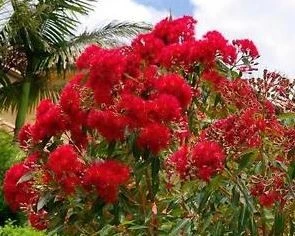
Corymbia ‘Summer Red’ (Red Gum):
With its vibrant summer blooms, this tree attracts birds and delivers show-stopping colour. Perfect for medium to large gardens.
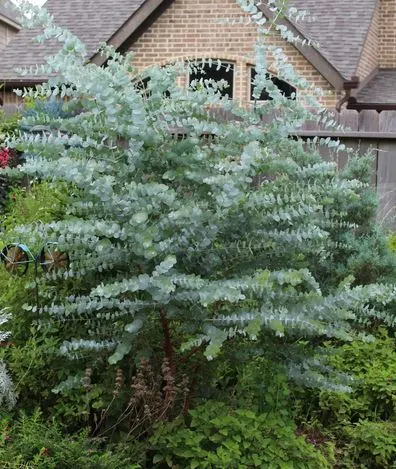
Eucalyptus pulverulenta ‘Baby Blue’ (Silver Leaved Mountain Gum):
Compact and manageable, this tree has striking silver foliage, often used in floral arrangements.
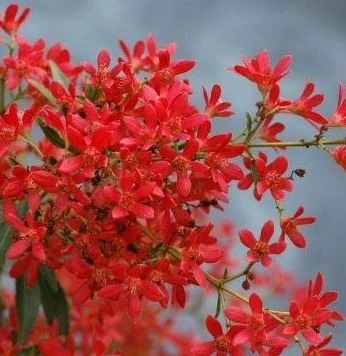
Ceratopetalum gummiferum ‘Alberys Red’ (NSW Christmas Bush):
Known for its festive red flowers, it’s both decorative in the garden and practical for cut flowers.
Whether you’re working on simple landscape design ideas with native plants or larger projects, these trees create focal points that bring personality to your yard.
Climbers
Climbers are versatile additions to gardens, perfect for covering fences, pergolas, or arbors. They add vertical interest and are ideal for small landscape design ideas with native plants where ground space is limited.
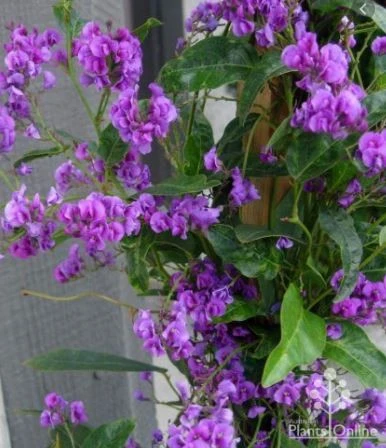
Hardenbergia violacea ‘Happy Wanderer’ (Purple Coral Pea):
A vigorous climber with a profusion of purple flowers in winter and spring. Great for quick coverage.
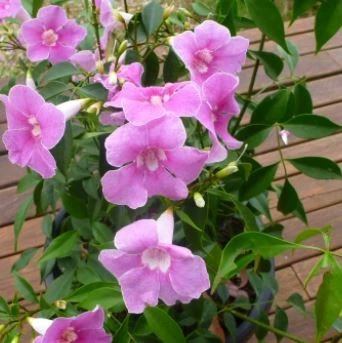
Pandorea jasminoides (Wong Wong Vine):
Evergreen, fast-growing, and covered in pink-throated flowers, this climber thrives on sturdy supports. It works wonderfully in both casual spaces and formal native garden design.
Climbers are a must-have for creating layered garden spaces and enhancing vertical areas.
Where to Get Native Plants in Sydney?
Finding native plants is easier than ever, and sourcing them locally ensures they are well-suited to your climate.
- Local Council Nurseries: Many councils run community nurseries that stock affordable native plants.
- Retail Nurseries: Your nearest garden centre will carry a range of Australian natives for general landscaping.
- Specialist Growers: Dedicated native plant nurseries often offer unique or hard-to-find species.
Top Tip:
- Group your native plants together to replicate natural habitats.
- Use free-draining soil and a native-specific mix.
- Apply mulch such as Eucy Mulch to conserve water.
- Start with tube stock – it’s cost-effective and adapts quickly to your soil.
These practices ensure the success of your Landscape Design Ideas With Native Plants.
Designing Your Native Plant Landscape
Creating a garden that thrives naturally while complementing the local environment begins with designing your native plant landscape. Native plants are well-adapted to Sydney’s climate, soils, and rainfall, offering a sustainable way to create a vibrant outdoor space. Incorporating landscape design ideas with native plants in Sydney not only enhances beauty but also reduces the need for excessive watering and maintenance.
When planning your native landscape, it’s essential to balance aesthetics with ecological function. Choose a variety of plant species that bloom at different times to ensure year-round interest and biodiversity. Simple landscape design ideas with native plants in Sydney often focus on layering — combining ground covers, shrubs, and trees to mimic natural habitats while supporting pollinators and birds.
Key design considerations include:
- Site analysis and soil preparation: Evaluate sunlight exposure, drainage, and soil type before planting. This ensures each native plant is placed where it can grow best without additional amendments or irrigation.
- Layered planting structure: Use low-growing grasses or groundcovers like Dianella caerulea at the front, medium shrubs such as Westringia fruticosa in the middle, and taller trees like Eucalyptus nicholii at the back. This creates visual depth and natural balance.
- Pathways and texture balance: Incorporate gravel or stone pathways between plant groups to define spaces and improve accessibility. Varying leaf shapes and colors add texture and contrast for visual appeal.
- Sustainable irrigation techniques: Install drip systems or use mulching to retain soil moisture, keeping your garden eco-friendly and cost-efficient.
By applying small landscape design ideas with native plants in Sydney, even compact yards can look lush and inviting. Grouping plants with similar water needs and sunlight preferences creates harmony and minimizes upkeep.
Overcoming Challenges in Native Plant Landscaping
Native plant landscaping can present initial challenges such as plant availability, soil adaptation, and misconceptions about maintenance. These challenges are best addressed through informed plant selection, understanding local ecosystems, and realistic expectations of how native landscapes establish over time. When planned thoughtfully, native landscapes create resilient, visually appealing outdoor spaces suited to local conditions.
Embrace Native Plant Landscaping
- Embracing native plant landscaping begins with recognising that local plants have evolved to thrive in regional climate patterns, rainfall levels, and soil types. While early growth may appear slower compared to non-native ornamentals, native plants develop stronger root systems that improve long-term stability and reduce water dependence. This approach supports sustainable landscape design ideas with native plants in sydney, especially in areas prone to drought and variable weather.
- A common challenge is the belief that native gardens lack structure or colour, which can be overcome through layered planting and seasonal planning. Combining native grasses, flowering shrubs, and canopy plants creates depth, texture, and year-round interest without intensive upkeep. These methods align well with Simple landscape design ideas with native plants in sydney, offering balance between aesthetics and practicality.
- Maintenance concerns often arise during the establishment phase, when weeds compete with young plants. Proper mulching, correct spacing, and early care significantly reduce long-term effort while encouraging healthy growth. Once established, native plants require minimal intervention, making them ideal for Small landscape design ideas with native plants in sydney where efficiency and durability are essential.
Advantages of Locally Native Over Non-Native Species
- Locally native plants are naturally adapted to local pests, diseases, and weather extremes, reducing the need for chemical treatments and frequent replacements. This resilience helps overcome common landscaping challenges such as plant failure and high maintenance costs. As a result, landscapes remain functional and attractive with less ongoing effort.
- Native species contribute to healthier ecosystems by supporting local birds, insects, and pollinators that depend on them for food and shelter. Unlike many non-native species, they integrate seamlessly into the surrounding environment without becoming invasive or disrupting soil health. This ecological balance strengthens long-term landscape sustainability.
- Water efficiency is a major advantage of locally native plants, particularly in regions facing water restrictions. Their deep root systems improve soil structure and reduce runoff, helping landscapes remain green during dry periods. These qualities make native plants a practical solution for long-lasting, environmentally responsible outdoor spaces.
Designing Borders with Native Plants
Borders made from native plants bring structure and definition to any garden, creating natural transitions between lawn areas, patios, or walkways. These borders can also serve as wildlife corridors, encouraging beneficial insects and native birds to thrive. Adopting low maintenance landscape design ideas with native plants in Sydney makes border creation practical and sustainable for all property sizes.
Design techniques for effective native plant borders include:
- Color and texture variation: Combine flowering natives like Grevillea and Callistemon with textured foliage such as Lomandra longifolia for a dynamic yet cohesive appearance. The variety ensures visual appeal across all seasons.
- Layered edge planting: Place low-growing native groundcovers at the front and gradually increase plant height toward the back of the border. This method enhances structure and visibility.
- Natural edging materials: Use sandstone, pebbles, or mulch borders that blend seamlessly with the environment. These materials define the garden while maintaining a rustic, natural feel.
- Wildlife-friendly design: Incorporate nectar-producing plants to attract bees and butterflies, enriching biodiversity while keeping the ecosystem balanced.
By blending landscape design ideas with native plants in Sydney into your border layout, you can achieve a polished, structured appearance that aligns with the local environment while requiring minimal upkeep.
Plant Selection for Your Garden Landscape
Choosing the right plants is at the heart of any successful landscape. Sydney’s diverse native flora offers endless possibilities for creating visually captivating and environmentally resilient gardens. Simple landscape design ideas with native plants in Sydney emphasize plant species that thrive in local soils and weather patterns, ensuring long-term success with minimal intervention.
Guidelines for plant selection include:
- Climate compatibility: Choose drought-tolerant species like Banksia integrifolia and Melaleuca nesophila, which flourish in Sydney’s varying rainfall conditions. Their resilience ensures year-round greenery without constant watering.
- Functional diversity: Select a mix of trees, shrubs, and groundcovers to provide shade, reduce soil erosion, and create habitats for local fauna. This supports sustainability and landscape balance.
- Color and seasonal interest: Opt for native flowering plants such as Kangaroo Paw and Waratah to ensure continuous color throughout the year. Their striking hues elevate the visual appeal of your outdoor space.
- Soil and drainage adaptation: Use sandy soil-loving species like Hardenbergia violacea for coastal areas and clay-tolerant plants such as Callistemon viminalis for inland gardens.
Incorporating small landscape design ideas with native plants in Sydney allows homeowners to enjoy the beauty of nature even in compact spaces. These ideas emphasize selecting versatile plants that adapt well to confined garden beds or courtyard settings. With thoughtful plant selection, you can build a sustainable and vibrant native garden that requires little maintenance while adding immense character to your landscape.
Conclusion
Landscape Design Ideas With Native Plants combine the beauty of Australia’s flora with the practicality of low-maintenance gardening. From shrubs and groundcovers to feature trees and climbers, natives thrive in Sydney’s climate and offer year-round appeal.
Whether you prefer simple landscape design ideas with native plants or a structured formal native garden design, using natives ensures sustainability, resilience, and aesthetic charm. Explore these landscape design ideas with native plants and trees to transform your outdoor space into a thriving, colourful, and eco-friendly retreat.