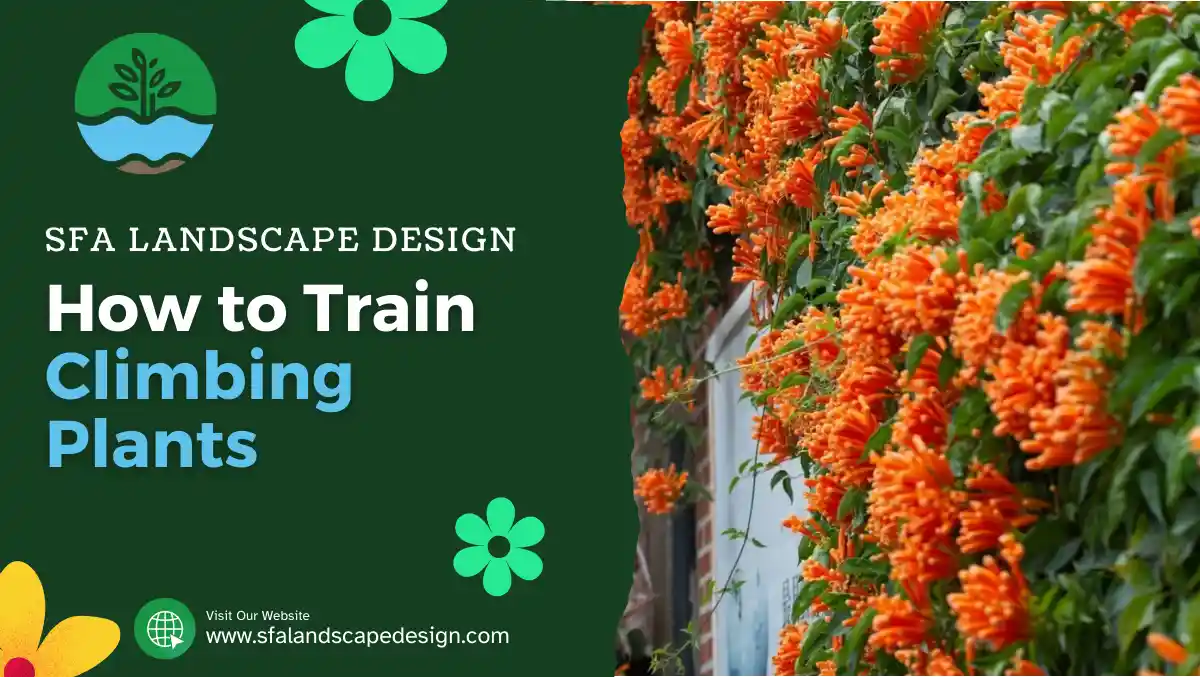
How to train climbing plants is one of the most valuable skills any gardener can learn. Climbing plants add vertical beauty, soften hard surfaces, provide privacy, and create stunning focal points in both small and large gardens. Whether you want roses cascading over an arch, jasmine covering a fence, or ivy climbing an indoor wall, proper training ensures healthy growth and an elegant display.
Understanding how to guide, tie, and support climbers prevents tangled growth, structural damage, and weak stems. From outdoor trellises to indoor moss poles, learning How to train climbing plants correctly helps you maximize space and create a thriving green environment.
In this complete guide, you’ll discover practical techniques, tools, and expert tips for outdoor and indoor climbers, along with solutions for fences and walls.
How to Train Climbing Plants: A Complete Step-by-Step Guide
Climbing plants grow differently depending on their type. Some twine, some cling, and others need tying. To master How to train climbing plants, you must first understand how they naturally climb.
Understanding Different Types of Climbing Plants
Before starting, identify what type of climber you have.
1. Twining Climbers
These wrap their stems around supports.
- Examples: Wisteria, Morning Glory, Beans
- Need vertical poles, wires, or trellises
2. Tendril Climbers
They use thin tendrils to grab onto supports.
- Examples: Passionflower, Grapevine
- Need thin wires or mesh
3. Scramblers
They don’t truly climb and need tying.
- Examples: Climbing roses
- Need manual guidance
4. Self-Clinging Climbers
Attach themselves using aerial roots or pads.
- Examples: Ivy, Virginia creeper
- Can attach to walls directly
Knowing the type makes How to train climbing plants much easier and more effective.
Essential Tools and Materials for Training Climbers
To successfully implement How to train climbing plants, gather the right tools:
- Garden twine or soft plant ties
- Trellis or lattice panels
- Wire support systems
- Plant clips
- Bamboo stakes
- Moss poles (for indoor plants)
- Wall anchors and eye hooks
Using soft ties prevents stem damage while securing growth in the right direction.
How to Support Climbing Plants on a Fence
How to support climbing plants on a fence is a common question for homeowners wanting privacy and greenery.
Fences are perfect for vertical gardening, but plants need guidance.
Choosing the Right Fence Support
Not all fences are suitable for direct climbing. Wooden fences may rot if moisture builds up. Metal fences are sturdier.
To properly apply How to support climbing plants on a fence, consider:
- Adding horizontal wires across the fence
- Installing a trellis panel slightly away from the fence
- Using mesh for tendril climbers
Training Steps for Fence Climbers
- Plant 15–30 cm away from the fence base.
- Insert initial stakes for early support.
- Gently tie main stems to wires.
- Encourage lateral branching for fuller coverage.
- Prune regularly to prevent overcrowding.
Repeating proper tying and pruning ensures long-term success when learning How to support climbing plants on a fence.
How to Grow Climbing Plants on a Wall
Many gardeners wonder How to grow climbing plants on a wall without causing structural damage.
Wall Considerations
Self-clinging climbers may damage paint or mortar. Installing a support structure is safer.
To properly implement How to grow climbing plants on a wall, install:
- Wire systems anchored with eye bolts
- Trellis panels fixed 2–5 cm from the wall
- Grid systems for structured growth
Step-by-Step Wall Training
- Install supports before planting.
- Position plant 20–30 cm away from wall.
- Direct stems toward support.
- Tie loosely with soft ties.
- Prune annually to control spread.
By following these steps, you’ll master How to grow climbing plants on a wall while protecting your home.
How to Train Climbing Plants Indoors
Indoor climbers are increasingly popular. Understanding How to train climbing plants indoors helps create stylish green interiors.
Common indoor climbers:
- Pothos
- Monstera
- Philodendron
- Hoya
Why Indoor Training Matters
Indoor plants lack natural supports like trees or fences. Without guidance, they sprawl and lose shape.
To properly practice How to train climbing plants indoors, you must provide artificial support.
Indoor Climbing Plant Support Ideas
Creative Indoor climbing plant support Ideas can transform your space.
Some excellent options include:
- Moss poles
- Coconut fiber poles
- Wall-mounted hooks
- Decorative metal trellises
- Ladder-style supports
- Tension rods
- Hanging grids
When exploring Indoor climbing plant support Ideas, ensure the support matches plant weight and growth pattern.
Steps for Training Indoor Climbers
- Insert moss pole into pot.
- Attach main stem gently.
- Mist pole regularly for aerial roots.
- Rotate plant for even growth.
- Prune leggy stems.
Properly applying How to train climbing plants indoors improves plant health and appearance.
Step-by-Step Method: How to Train Climbing Plants Outdoors
Here’s a universal method for mastering How to train climbing plants outdoors:
Step 1: Install Support Early
Never wait until the plant is mature.
Step 2: Guide Young Shoots
Young stems are flexible and easier to shape.
Step 3: Tie Securely but Gently
Avoid tight knots that restrict growth.
Step 4: Encourage Horizontal Growth
Horizontal stems produce more flowers.
Step 5: Prune Strategically
Remove weak or overcrowded shoots.
Consistent maintenance is the secret to successfully learning How to train climbing plants.
Common Mistakes to Avoid
Even experienced gardeners make mistakes when learning How to train climbing plants.
- Over-Tight Tying: Can damage stems and restrict growth.
- Ignoring Pruning: Leads to tangled and weak growth.
- Using Weak Supports: Heavy climbers like wisteria require strong frames.
- Planting Too Close to Structures: Reduces airflow and increases disease risk.
Avoiding these mistakes ensures long-lasting success.
Seasonal Care and Maintenance
Proper seasonal care supports healthy climbing plants.
Spring
- Install new supports
- Begin tying new growth
Summer
- Monitor rapid growth
- Increase watering
Autumn
- Light pruning
- Remove dead stems
Winter
- Major pruning for deciduous climbers
- Repair supports
Seasonal maintenance strengthens your skills in How to train climbing plants effectively.
Benefits of Properly Trained Climbing Plants
Learning How to train climbing plants offers many advantages:
- Maximizes vertical space
- Improves airflow
- Increases flowering
- Enhances privacy
- Protects structures
- Improves plant health
- Creates structured garden design
Well-trained climbers are easier to maintain and visually stunning.
Advanced Training Techniques
Once you understand the basics of How to train climbing plants, try advanced methods:
- Espalier: Training plants flat against a wall in patterns.
- Fan Training: Spreading stems outward like a fan.
- Archway Training: Guiding plants across arches and pergolas.
These structured methods create dramatic garden features.
Conclusion
How to train climbing plants is a rewarding gardening skill that transforms ordinary spaces into lush vertical gardens. Whether you’re covering a fence, greening a wall, or decorating your indoor living room, proper support and guidance ensure healthy growth and stunning displays.
By understanding plant types, installing the right supports, and practicing consistent pruning and tying, you can master How to train climbing plants successfully. With patience and the right techniques, your climbing plants will thrive, flower beautifully, and become a striking feature in any garden or home.
Read also How to Attract Butterflies to Your Garden Australia.