Learning How to start a vegetable garden can transform any outdoor or balcony space into a productive and enjoyable green corner. Whether you have a large backyard, a courtyard, or a small patio, understanding the basics helps you grow healthy, fresh produce with confidence. Many beginners also look for How to start a vegetable garden in Sydney, where the climate supports a wide range of seasonal crops.
Pick a Location for Your Vegetable Garden
Choosing the right spot is one of the most important steps in How to start a vegetable garden. A good location should receive at least six hours of direct sunlight daily, ensuring healthy growth and stronger yields. If you’re unsure where to begin, look at how others design their Vegetable garden layout Australia to find options suited to different climates.
- Select a sunny, open area: Vegetables like tomatoes, capsicum, and beans need strong light for fruiting. Place your garden away from tall trees or fences that cast heavy shadows, as too much shade can limit growth. This is important when learning How to start a vegetable garden in Sydney, where making the most of daylight helps improve productivity.
- Ensure easy access to water: A location close to a tap or irrigation system prevents watering from becoming a daily challenge. Consistent moisture is essential, especially during warm months, to keep plants strong and reduce stress.
- Choose well-draining soil: Waterlogged soil can cause root rot and slow plant development. If drainage is poor, consider raised beds or mounded soil to keep plant roots healthy and aerated.
Determine What Vegetables to Plant
Understanding what to grow is another key part of How to start a vegetable garden. Your climate, available space, and daily schedule influence what you can successfully maintain. Beginners often benefit from choosing Easy vegetables to grow in Australia, especially when they want fast and reliable results.
- Match plants to the season: Cool-season crops like lettuce and spinach thrive in mild months, while warm-season crops such as tomatoes and cucumbers grow best in summer. This seasonal awareness helps you design a more productive Vegetable garden layout Australia.
- Start with beginner-friendly choices: Options like beans, zucchini, radishes, and silverbeet are among the most Easy vegetables to grow in Australia. They require minimal care and adapt well to different garden sizes, making them ideal when learning How to start a vegetable garden in pots or in-ground beds.
- Consider your household’s needs: Plant vegetables you regularly cook with to make your garden more practical. Growing what you often use helps reduce food waste and ensures a more satisfying harvest.
Design and Plan Your Vegetable Garden
Designing is an essential part of How to start a vegetable garden, especially if you’re limited in space. A thoughtful plan helps you use your garden area efficiently while keeping it visually appealing and easy to maintain. Many beginners look for a Small vegetable garden layout for beginners to get started with manageable steps.
- Organise crops by height and sunlight needs: Taller vegetables should be placed at the back or along fences so they don’t cast shade on smaller plants. Group plants with similar water and fertiliser needs together to simplify care and improve overall growth.
- Create pathways for easy access: Even in compact areas, leaving narrow walkways prevents soil compaction and makes maintenance more comfortable. This structured approach is a core principle of any Vegetable garden layout Australia that aims to balance aesthetics and productivity.
- Practice crop rotation: Changing plant families each season helps manage pests and keeps soil fertile. This technique is particularly helpful when focusing on long-term success in How to start a vegetable garden.
Choose a Type of Planter
Picking the right planter style is especially important when learning How to start a vegetable garden in pots or when outdoor space is limited. Your choice affects drainage, soil quality, and plant health.
- Raised garden beds: These provide excellent drainage and are easier on your back due to their elevated height. They are ideal for structured designs and work well in both compact and spacious yards.
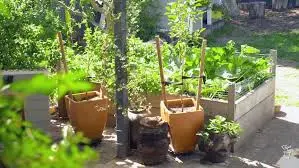
- Pots and containers: Perfect for balconies and patios, containers are essential for How to start a vegetable garden in pots. They allow greater control over soil quality and can be moved to follow the sun throughout the day.
- Grow bags or vertical planters: When focusing on a Small vegetable garden layout for beginners, vertical options save space while improving air circulation. They are excellent for herbs, leafy greens, and compact vegetable varieties.
Plant Your Vegetables
Planting correctly determines how well your vegetables establish in the early weeks. This practical step is central to How to start a vegetable garden, whether you’re planting seeds or seedlings.
- Prepare the soil thoroughly: Mix compost, organic fertiliser, and well-draining soil to create a nutritious foundation. Healthy soil helps young plants root quickly and improves long-term productivity.
- Follow proper spacing guidelines: Overcrowding reduces airflow and increases the risk of pests. Adequate spacing ensures each plant receives enough nutrients and sunlight to thrive.
- Water immediately after planting: Moistening the soil settles the roots and reduces transplant shock. This simple step supports stronger early growth and prevents stress-related stunting.
Feed and Care for Your Vegetables
Ongoing care is a major part of How to start a vegetable garden. Consistent feeding, watering, and monitoring ensure strong, productive plants throughout the season.
- Apply fertiliser regularly: Using slow-release or organic fertilisers replenishes nutrients the soil loses as plants grow. Feeding every few weeks keeps vegetables vigorous and improves harvest quality.
- Water deeply and consistently: Rather than light, frequent watering, deep watering encourages roots to grow deeper and stronger. This technique is especially important in warm climates like those common when learning How to start a vegetable garden in Sydney.
- Monitor for pests and diseases: Early detection makes management easier and prevents damage from spreading. Natural options like neem oil or companion planting can help maintain a healthy garden without harsh chemicals.
Easiest Vegetables to Grow
Starting with simple crops makes learning How to Start a Vegetable Garden easier and more rewarding. Many beginner-friendly crops grow well in compact spaces, making them perfect for a Small vegetable garden layout for beginners or home gardens across Australia.
- Lettuce and leafy greens grow quickly and allow repeated harvesting by picking outer leaves while the plant continues producing. They thrive in containers or garden beds and tolerate partial shade, making them ideal for beginners.
- Tomatoes, especially cherry varieties, produce well in warm conditions and containers with proper support. They are popular for gardeners learning how to start a vegetable garden in Sydney, thanks to suitable growing climates.
- Zucchini plants grow fast and yield generously from just one plant, making them rewarding for beginners. Regular watering and enough space help maintain healthy production.
- Beans are simple to grow, germinate quickly, and improve soil health by adding nutrients. They fit well into small gardens using vertical supports.
- Radishes mature within weeks, giving beginners quick results and helping maintain motivation. They also grow well between slower-growing crops.
Things to Consider That Are Important
Good planning improves garden success, especially for beginners growing Easy vegetables to grow in Australia.
- Sunlight exposure is essential, as most vegetables need at least six hours of direct sun daily. Observing your space helps place crops in suitable spots.
- Soil quality and drainage support strong root growth, so adding compost or using raised beds improves results. Good soil reduces plant stress and disease risks.
- Watering consistency keeps vegetables healthy, as irregular watering can damage growth. Scheduled watering helps maintain balanced soil moisture.
- Seasonal planting timing ensures crops grow under suitable temperatures. Knowing planting seasons helps beginners plan gardens effectively.
- Space management avoids overcrowding and improves airflow, making maintenance easier. A thoughtful Small vegetable garden layout for beginners increases productivity.
Benefits of Using a Garden Planner
A garden planner helps organize planting, improve yields, and reduce beginner mistakes.
- Better space usage allows crops to grow without overcrowding while maximizing small areas. Organized layouts simplify maintenance and harvesting.
- Seasonal planning support helps gardeners plant crops at the right time for better success. This reduces losses caused by unsuitable weather conditions.
- Improved maintenance routines become easier when beds and pathways are clearly arranged. This helps prevent plant damage and saves effort.
- Higher productivity results when plants are positioned according to sunlight and growth needs. Proper planning leads to stronger harvests.
Conclusion
Understanding How to start a vegetable garden empowers you to grow fresh, nutritious produce right at home. With the right planning, soil preparation, and ongoing care, even small spaces can become productive growing areas. Whether you prefer in-ground beds, raised planters, or container setups, learning How to start a vegetable garden in Sydney or elsewhere becomes much easier when you follow structured steps and choose vegetables suited to your climate.
Read also Spring Gardening.