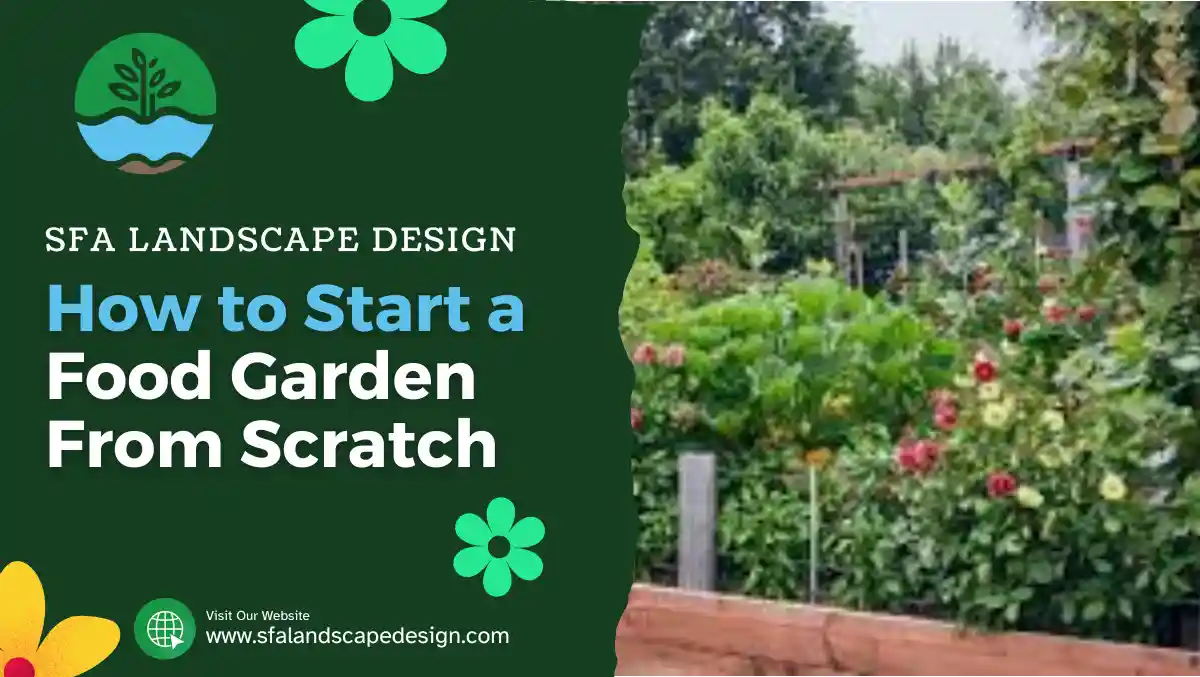
Learning How to start a food garden from scratch begins with understanding your space, sunlight patterns and soil quality. By observing these fundamentals, you can design a garden that suits your climate and lifestyle. Anyone exploring How to start a food garden from scratch will benefit from starting small, choosing easy crops and planning a layout that supports long-term productivity. With clear steps and thoughtful care, your garden becomes a reliable source of fresh produce.
Food Garden Layout Ideas
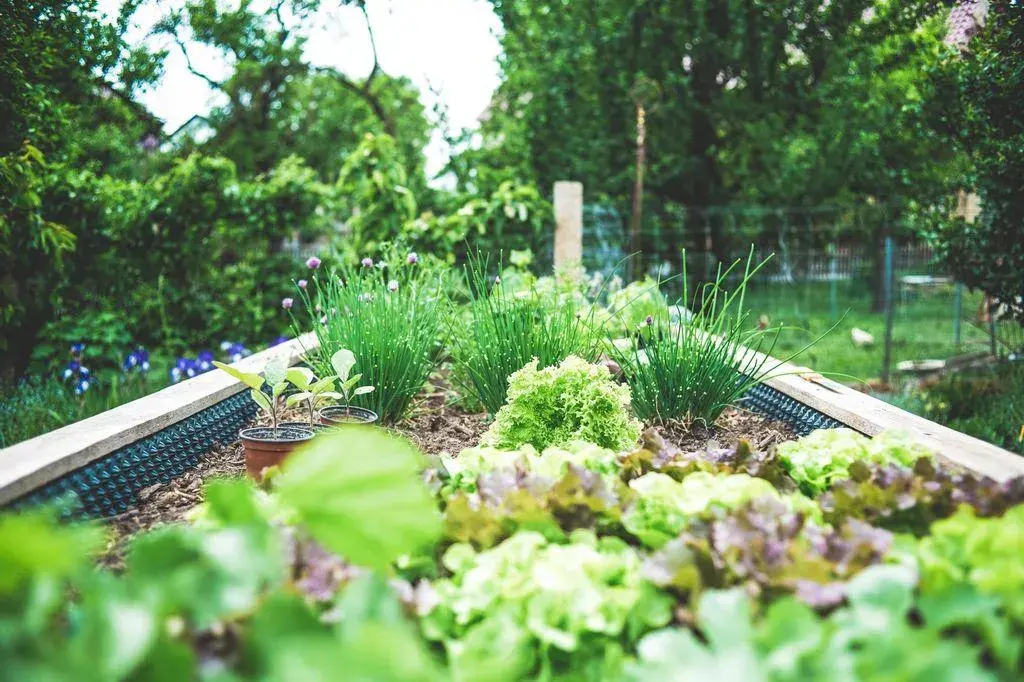
- Structured raised beds: Raised beds help beginners practising How to start a food garden from scratch by offering better drainage, loose soil and easier management. Arrange beds in rows with generous pathways to prevent compaction and allow wheelbarrow movement. Raised beds make crop rotation simpler and help maintain healthy soil biology.
- Efficient square-foot layouts: Square-foot gardening maximises yield, especially when applying How to start a food garden from scratch step by step techniques. Dividing the bed into small squares helps you plan spacing accurately and prevents overcrowding. This approach supports sequential harvesting and reduces unnecessary gaps.
- Vertical designs for small spaces: Trellises, obelisks and archways increase planting capacity and allow you to incorporate the Best fruits and vegetables to grow in a small garden into compact areas. Vertical systems reduce disease by improving airflow and keeping fruit off the soil. They also simplify harvesting and minimise bending.
- Mixed edging for diversity: Plant herbs, flowers and microgreens along garden edges to create a functional biodiversity zone. This layout benefits anyone learning How to start a garden in the ground because it attracts pollinators and repels pests naturally. Edging also utilises narrow spaces that might otherwise remain unused.
How Gopika Runs Her Food Garden
- Seasonal rotation and planning: Gopika schedules his planting based on seasonal needs and crop families, reducing pest carryover and nutrient depletion. She follows How to start a food garden from scratch principles by preparing beds ahead of each season and recording planting times.
- Deep soil nourishment: She builds his soil with compost, mulch and green manures, ensuring a nutrient-rich base for vegetables. This technique supports stronger roots and improves water retention, which is essential when learning How to start a food garden from scratch step by step.
- Consistent observation: Gopika checks his plants daily for early signs of stress, pests or nutrient deficiencies. This small habit prevents major problems and keeps his food garden thriving sustainably.
Three Essentials for a Thriving Food Garden
- Healthy soil: Rich organic matter, compost and living microorganisms form the base of any successful garden. For those figuring out How to start a food garden from scratch, improving soil is the most important first step. Good soil increases nutrient availability and supports better yields.
- Proper watering habits: Deep, infrequent watering encourages strong root systems, while mulch reduces evaporation. Whether you use raised beds or choose How to start a garden in the ground, consistent moisture is vital for steady, healthy growth.
- Right crops at the right time: Planting seasonal varieties ensures strong establishment and reduces pest pressure. This is critical for gardeners focusing on How to start a food garden from scratch, as timing determines overall garden success.
What Vegetables to Plant Now
- Leafy greens: Lettuces, spinach and Asian greens thrive in cooler conditions and mature quickly. They are perfect for gardeners practising How to start a food garden from scratch, as they provide early confidence and fast harvests.
- Root vegetables: Carrots, beetroots and radishes grow well in loosened soil and offer steady yields. These thrive particularly well if you’re following How to start a garden in the ground, as deep preparation eliminates compaction.
- Legumes: Beans and peas enrich soil with nitrogen while producing abundant pods. Their dual benefit makes them ideal for anyone exploring How to start a food garden from scratch in limited space.
- Warm-season crops: Tomatoes, capsicums and chillies perform best in warm, stable weather. They pair well with the Best fruits and vegetables to grow in a small garden, especially when trellised vertically.
What is Companion Planting?
- Mutual beneficial pairing: Companion planting matches species that help each other grow. For those learning How to start a food garden from scratch, this method improves productivity by enhancing soil nutrients and creating natural supports.
- Pest and pollinator management: Flowers and herbs attract beneficial insects and deter harmful pests. These natural helpers reduce the need for synthetic sprays and support healthier harvests.
Organic Gardening Basics
- Soil building and minimal disturbance: Organic methods prioritise feeding soil with compost and avoiding deep tilling. This benefits anyone studying How to start a food garden from scratch, as healthier soil directly improves plant resilience.
- Natural pest control: Organic gardening relies on predators like ladybirds, neem oil and careful crop rotation. These practices maintain balance without damaging beneficial organisms.
- Seed and material choices: Selecting organic seeds and certified inputs ensures chemical-free produce. This builds a cleaner, more productive growing environment.
Extras for the Food Garden
- Herb pockets: Small herb zones supply flavourful additions while deterring pests. This complements the Best fruits and vegetables to grow in a small garden, enhancing the usefulness of compact beds.
- Pollinator habitat: Wildflower strips and insect hotels draw bees and other beneficial species. This increases fruit set and leads to stronger, more reliable harvests.
- Compost area: A proper compost station provides free, nutrient-rich amendments. It supports healthier crops and reduces household waste.
Garden Extras
- Seating and observation points: A simple stool or bench encourages regular visits for maintenance and harvesting. Constant observation aligns perfectly with How to start a food garden from scratch because it allows early issue detection.
- Season-extending tools: Cloches, shade cloth and mini tunnels create microclimates that protect plants. These tools lengthen your growing season and improve crop stability.
Choose the Perfect Space for Your Fruit and Vegetable Garden
- Select an area that receives at least six to eight hours of direct sunlight daily, as most edible plants rely on consistent sunlight for healthy growth and good yields. A sunny location also helps soil dry faster after watering, reducing disease risks and encouraging strong root development.
- Ensure the space has well-drained soil or can be improved with compost and organic matter, especially when learning How to start a garden in the ground. Raised beds or slightly elevated soil areas help prevent waterlogging and allow roots to spread easily, which is essential when planning How to start a food garden from scratch step by step.
- Choose a spot close to your home for convenience, making it easier to monitor plant health, water regularly, and harvest produce at peak freshness. Accessibility encourages consistent care, which is crucial when learning How to start a food garden from scratch successfully.
- Consider wind protection and natural shelter, such as fences, hedges, or walls, that shield young plants from strong winds that can damage stems and dry out soil. A protected space supports stronger early growth and reduces stress on delicate vegetable and fruit seedlings.
When to Water Plants
- Water plants early in the morning so moisture reaches the roots before heat causes evaporation, allowing plants to stay hydrated throughout the day. Morning watering also keeps leaves dry overnight, helping prevent fungal diseases that can affect vegetables and fruit plants.
- Check soil moisture before watering by inserting your finger a few centimeters into the soil; if it feels dry, plants need watering. Deep watering two to three times per week encourages roots to grow deeper, making crops stronger and more drought-resistant.
- Adjust watering frequency based on plant type and climate, as seedlings and container plants dry out faster than established garden beds. Understanding watering needs is essential when growing the Best fruits and vegetables to grow in a small garden, where space and moisture balance must be carefully managed.
- Mulching around plants with straw, compost, or shredded leaves helps soil retain moisture and reduces watering frequency. Mulch also suppresses weeds and keeps soil temperature stable, improving plant health and productivity.
Provide Plant Protection
- Protect young plants from pests by using netting, garden fabric, or natural barriers that prevent insects and animals from damaging leaves and fruits. Companion planting with herbs and flowers can also repel pests naturally while improving garden biodiversity.
- Support plants against harsh weather conditions by staking tall vegetables and shielding crops from heavy rain or heat waves. Protective covers or shade cloth help prevent stress, ensuring steady growth and higher yields throughout the season.
- Maintain plant health by rotating crops each season and removing diseased leaves promptly to prevent infections from spreading. Healthy soil and proper spacing improve airflow and reduce pest problems, an important step when learning How to start a food garden from scratch step by step.
- Choose resilient and productive crops suited for limited spaces, such as tomatoes, lettuce, herbs, beans, and strawberries, which are among the Best fruits and vegetables to grow in a small garden. Selecting appropriate crops reduces maintenance challenges and increases the chances of a successful harvest.
Conclusion
Mastering How to start a food garden from scratch involves understanding soil, planning layouts and choosing crops suited to your space. By following How to start a food garden from scratch step by step, you develop a garden that is resilient, productive and easy to maintain. Whether you prefer raised beds or How to start a garden in the ground, consistent care and thoughtful plant selection matter most. For tight spaces, focus on the Best fruits and vegetables to grow in a small garden to maximise productivity. With patience, observation and soil health as your guide, you can confidently learn How to start a food garden from scratch and enjoy fresh, homegrown harvests.