How to design a low maintenance garden is a question many homeowners ask when they want beauty without endless upkeep. A garden should bring joy, not constant stress about watering, trimming, and cleaning. With the right plan, you can create a peaceful space that looks great all year and doesn’t take up all your free time. In this guide, I’ll share practical ideas on how to design a low maintenance garden step by step, whether you’re on a budget or simply want something easier to manage.
Strategic Plant Selection
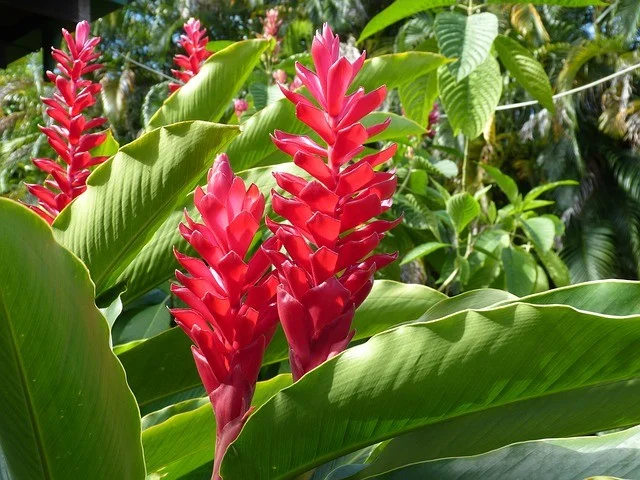
Choosing the right plants is the first step when learning how to design a low maintenance garden. Plants that suit your climate and soil will thrive with little effort. Native plants are always a smart choice because they are already adapted to your area.
For example, if you live in Australia, species like kangaroo paw, grevillea, and bottlebrush look stunning and require little care. When thinking about how to design a low maintenance garden on a budget, buy plants that grow easily and don’t need lots of water or fertilizer.
Key takeaways:
- Pick hardy, drought-tolerant plants.
- Use native plants suited to your region.
- Avoid high-maintenance species.
This approach works well for families, elderly homeowners, or anyone who wants low maintenance garden plants that last for years.
Thoughtful Hardscaping
Hardscaping means adding things like pathways, patios, or stone walls. It’s a clever way to cut down on garden work. Think of it as filling space with features that don’t need watering or mowing.
For instance, a gravel path between flower beds saves time compared to grass, while a paved patio makes outdoor dining easy. If you’re exploring low maintenance gardens ideas on a budget, simple stone borders or wooden decking can make your garden neat and enjoyable.
Key takeaways:
- Replace large grass areas with patios or stones.
- Use gravel or bark chips for walkways.
- Mix plants with hard surfaces to balance beauty and ease.
Hardscaping is also perfect for low maintenance gardens for the elderly, as it reduces the need for bending, mowing, or heavy garden work.
Efficient Irrigation Systems
One of the best tricks when planning how to design a low maintenance garden is installing an irrigation system. Watering can take up hours, especially in hot summers. A drip irrigation or soaker hose system saves time and ensures your plants get water directly at their roots.
This doesn’t have to be expensive. If you’re working on how to design a low maintenance garden on a budget, even simple timers connected to a hose can make life easier.
Key takeaways:
- Drip irrigation saves water and time.
- Automatic timers reduce daily chores.
- Water plants early morning or evening for best results.
By setting up an efficient system, you can enjoy low maintenance garden plants without worrying about dry spells.
Planning for the Effects of Water
When thinking about how to design a low maintenance garden step by step, you must plan for rain, drainage, and water use. Poor drainage can damage plants, while too much water creates muddy patches.
Raised garden beds are a smart choice if your yard tends to flood. Adding rocks or gravel under plants also improves water flow. For those exploring low maintenance gardens ideas on a budget, reusing rainwater with a simple barrel can help.
Key takeaways:
- Plan drainage carefully to avoid waterlogging.
- Use raised beds in wet areas.
- Collect rainwater for free irrigation.
This type of planning makes your garden more sustainable and saves money in the long run.
Strategic Tree Placement
Trees can be a blessing in a low maintenance garden when placed wisely. They provide shade, reduce heat, and protect plants from strong winds. Choosing the right type of tree is important.
Native trees like eucalyptus or wattles are low maintenance and suit local soil. If you’re considering how to design a low maintenance garden for the elderly, shady trees also make outdoor areas more comfortable to relax in.
Key takeaways:
- Plant trees to create natural shade.
- Select native or drought-tolerant trees.
- Position trees to block wind or provide privacy.
Good tree planning reduces the need for artificial cooling and watering in summer.
Reducing or Eliminating Turf from the Design
Lawns may look lovely, but they require mowing, watering, and constant care. One of the smartest choices when exploring how to design a low maintenance garden is reducing or removing turf.
Instead, use groundcovers like creeping thyme or native grasses that need less trimming. For low maintenance gardens ideas on a budget, replace grass with gravel, mulch, or a paved sitting area.
Key takeaways:
- Reduce turf to save time and water.
- Use low maintenance garden plants as groundcovers.
- Try gravel or mulch to fill large spaces.
This makes gardening easier and more enjoyable for busy families and older adults alike.
Mulching Beds and Borders
Mulch is every gardener’s secret weapon. It keeps soil moist, prevents weeds, and improves soil health. Adding mulch around low maintenance garden plants means you water less and weed less.
Affordable options include bark chips, straw, or even fallen leaves from your own garden. If you’re planning how to design a low maintenance garden on a budget, mulching is the most cost-effective step.
Key takeaways:
- Mulch keeps soil moist and cool.
- Prevents weed growth naturally.
- Reduces the need for frequent watering.
Mulching is simple, cheap, and one of the easiest steps in how to design a low maintenance garden step by step.
Weeding and Pest Control Strategies
Creating a beautiful, thriving garden doesn’t have to mean endless hours of maintenance. Effective weeding and pest control strategies can help you design and maintain a healthy, low-effort landscape. When learning how to design a low maintenance garden, it’s essential to choose smart prevention methods and eco-friendly solutions that reduce future problems while keeping your garden attractive and sustainable.
Key Weeding and Pest Control Tips:
- Use Mulch to Prevent Weed Growth: Applying organic mulch such as bark chips, straw, or compost helps block sunlight from reaching weed seeds, reducing their growth. Mulch also retains moisture, enriches the soil, and adds an aesthetic finish that complements low maintenance garden plants.
- Opt for Ground Covers Instead of Bare Soil: Dense ground cover plants like creeping thyme or mondo grass naturally suppress weeds by limiting the space and light available to them. This is especially useful in low maintenance gardens for the elderly, as it minimizes the need for bending and manual weeding.
- Embrace Companion Planting for Pest Control: Certain plants, such as marigolds or basil, act as natural pest repellents when planted near vegetables or flowering species. Incorporating these into your layout supports how to design a low maintenance garden step by step, promoting natural balance and pest resistance.
- Choose Pest-Resistant Plant Varieties: Select plant species known for resilience to pests and diseases, such as lavender, rosemary, or ornamental grasses. This choice aligns with low maintenance gardens ideas on a budget, since these plants require fewer pesticides and lower upkeep costs.
- Regular Inspection and Early Intervention: Conduct quick, routine checks to detect pests early before they multiply. Using natural sprays like neem oil or soap solution can help control insects without harming beneficial pollinators or the environment.
- Encourage Beneficial Insects: Ladybugs, lacewings, and spiders help keep harmful insects in check. Attract them by planting pollinator-friendly flowers such as daisies, sunflowers, and yarrow to maintain balance in your low maintenance garden on a budget.
Maintenance Tips for Easy Care
Once your garden is established, consistent yet simple maintenance ensures it stays healthy and attractive with minimal effort. These low maintenance garden ideas focus on reducing repetitive tasks and making your outdoor space sustainable year-round.
Essential Easy-Care Maintenance Tips:
- Install Efficient Irrigation Systems: A drip or soaker hose irrigation setup provides consistent watering directly to plant roots, conserving water and preventing overwatering. This system is ideal when exploring how to design a low maintenance garden on a budget, as it saves time and resources in the long run.
- Prune and Trim Strategically: Pruning encourages strong growth and prevents overcrowding. Focus on removing dead or diseased branches seasonally to maintain shape and health without frequent cutting.
- Use Hardy and Native Plants: Native species adapt well to local soil and climate, reducing the need for special care or fertilizers. This choice simplifies how to design a low maintenance garden step by step, ensuring effortless beauty throughout the year.
- Implement Smart Lawn Alternatives: Replace traditional grass lawns with gravel, pavers, or artificial turf to cut down mowing and watering needs. Such low maintenance gardens ideas on a budget enhance functionality while minimizing effort.
- Group Plants by Water Needs: Arranging plants with similar watering requirements helps prevent over- or under-watering, making your garden more sustainable. It’s an efficient approach in how to design a low maintenance garden for both beginners and experienced gardeners.
- Seasonal Mulching and Composting: Refreshing mulch annually and adding compost enhances soil health naturally. It reduces weed growth, supports moisture retention, and provides a steady nutrient supply to low maintenance garden plants.
Low Maintenance Landscaping Made Easy
Designing a low maintenance landscape involves thoughtful planning and practical choices that allow you to enjoy your outdoor space without constant upkeep. Whether you’re aiming for low maintenance gardens for the elderly or low maintenance gardens ideas on a budget, simplicity and sustainability are key.
Effective Landscaping Simplification Techniques:
- Plan with Purpose and Simplicity: Start by evaluating your garden layout, sun exposure, and soil type. Keep the design minimal and functional, focusing on zones that serve distinct purposes like seating, planting, and pathways.
- Incorporate Low-Care Hardscapes: Using stone, gravel, or pavers reduces the planted area and eliminates tedious mowing or edging. This method suits those exploring how to design a low maintenance garden on a budget without compromising aesthetics.
- Select Long-Lived Perennials: Opt for perennials that bloom across seasons with minimal care, such as sedum, agapanthus, and daylilies. They provide enduring color and texture, ideal for low maintenance gardens for the elderly who prefer easy upkeep.
- Design Efficient Pathways: Well-planned walkways using pavers, pebbles, or concrete make maintenance easier and prevent weed intrusion. Incorporating defined pathways aligns with how to design a low maintenance garden step by step, creating structure and convenience.
- Add Raised Garden Beds: Raised beds simplify planting, watering, and harvesting, particularly beneficial for older gardeners. They enhance drainage, reduce bending, and offer a neat, organized look to low maintenance garden plants.
Through strategic planning, smart plant selection, and eco-friendly care methods, you can transform any outdoor space into a stress-free retreat that thrives with minimal intervention — a perfect example of how to design a low maintenance garden that balances beauty, efficiency, and comfort.
Common Landscaping Mistakes To Avoid
- Ignoring site conditions such as soil, sunlight, and drainage: Many landscapes fail because plants are chosen without considering whether the soil is sandy, clay-based, or poorly drained. Sun exposure also matters; shade-loving plants struggle in full sun, while sun plants weaken in low light. Understanding these basics is essential when learning How to design a low maintenance garden on a budget, as replacing failed plants increases long-term costs.
- Overcrowding plants at the start: New gardens often look sparse, leading people to plant too closely together. As plants mature, overcrowding restricts airflow, increases disease risk, and requires frequent pruning. Proper spacing supports healthier growth and is especially important for Low maintenance gardens for the elderly, where reduced upkeep is a priority.
- Overusing hardscaping without balance: Excessive paving, concrete, or decking can trap heat, worsen drainage, and make outdoor spaces uncomfortable. A balanced mix of soft landscaping improves aesthetics while supporting water absorption. Incorporating greenery also aligns well with Low maintenance gardens ideas on a budget, as plants cool spaces naturally without ongoing expenses.
3 Things To Consider When Choosing Plants
- Maintenance requirements over visual appeal: While vibrant plants can be tempting, high-maintenance varieties often demand regular pruning, fertilising, and watering. Choosing a Low maintenance garden plant reduces long-term effort and costs, making the landscape easier to manage. This approach suits both busy households and ageing homeowners seeking practical solutions.
- Climate suitability and water needs: Plants adapted to local climate conditions survive better and require less supplemental watering. Drought-tolerant species are ideal for reducing water use and maintenance, especially when designing Low maintenance gardens ideas on a budget. Native and climate-appropriate plants also resist pests more effectively.
- Growth habit and long-term size: Small plants may grow into large shrubs or trees, affecting nearby structures and pathways. Understanding mature size prevents future overcrowding and unnecessary removal. This foresight supports efficient planning when considering How to design a low maintenance garden on a budget with long-lasting results.
A New Type of Pool Fence
- Frameless and semi-frameless glass fencing: Modern pool fences use toughened safety glass to create a clean, open appearance without visual barriers. These fences comply with safety regulations while maintaining clear sightlines for supervision. They are durable, weather-resistant, and easy to clean, making them suitable for low-effort outdoor spaces.
- Aluminium and modular fencing systems: Lightweight aluminium pool fences offer strength, corrosion resistance, and flexible design options. Modular systems allow quick installation and adaptability to different pool shapes, reducing labour costs. This makes them practical for homeowners planning Low maintenance gardens for the elderly, where safety and simplicity are essential.
- Integrated landscape-friendly designs: New fencing styles blend seamlessly with planting beds and paving layouts rather than standing out as separate structures. Neutral finishes and slim profiles complement a Low maintenance garden plant palette without dominating the space. This integration supports cohesive outdoor designs that remain functional and visually balanced over time.
Conclusion
How to design a low maintenance garden is not about removing beauty—it’s about making smart choices. By selecting the right plants, adding hardscaping, setting up irrigation, planning for water, placing trees wisely, reducing turf, and using mulch, you can enjoy a beautiful outdoor space without endless work.
Whether you’re looking for low maintenance gardens for the elderly, budget-friendly options, or just low maintenance garden plants that thrive year-round, the steps here will guide you. Start small, plan carefully, and create a garden that works for you, not against you.
Read also How to Train Climbing Plants.