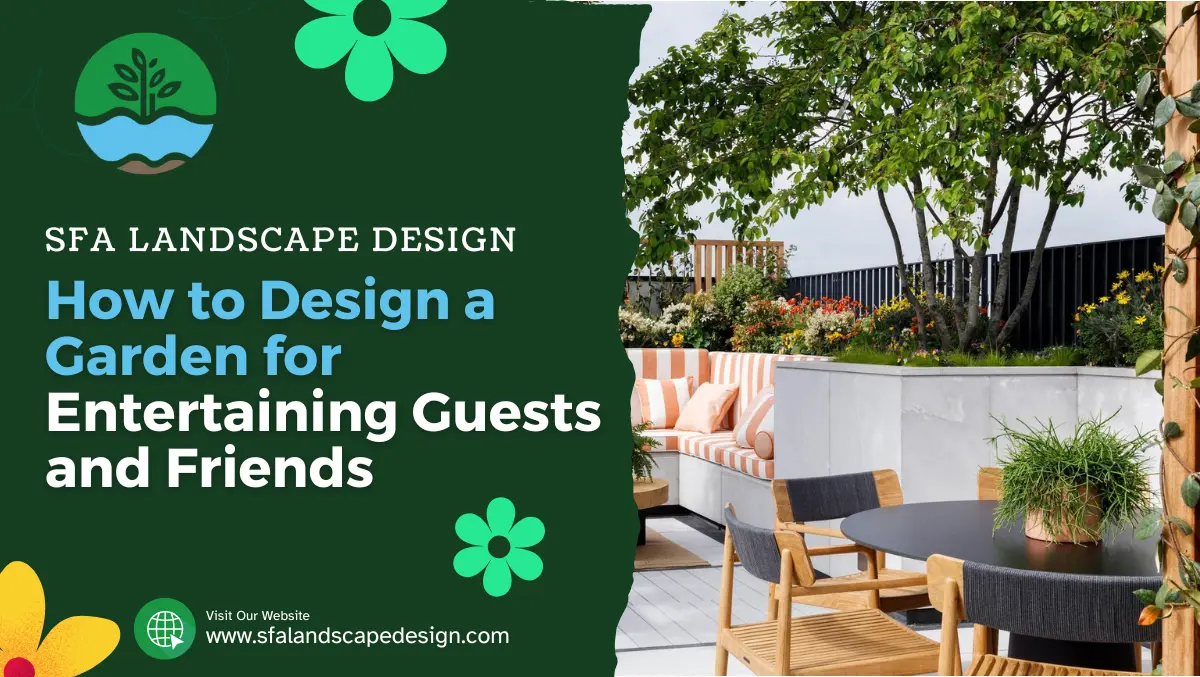
Summer is the perfect season to enjoy your outdoor space, but is your yard ready for entertaining? If you find yourself worrying about overgrown weeds, uneven slopes, or lack of functional space, it may be time for a transformation. Knowing How to Design a Garden for Entertaining Guests and Friends can completely change the way you use your home. A well-designed outdoor space not only creates a welcoming environment for barbeques, family gatherings, and parties, but also provides your kids with a safe, engaging space to hang out with friends. With the right garden design, your yard becomes more than just a backyard—it becomes an extension of your lifestyle.
Is Your Garden Overgrown by Weeds?
Do you have a slope yard where half of the space feels unusable? When you host a barbeque party, do your guests move indoors because of a lack of functional space? Are your teenage kids not spending much time at home because they don’t have their own inviting outdoor hangout spot?
If the above resonates with you, then read on to discover How to Design a Garden for Entertaining Guests and Friends this summer. Warm months can fly by quickly, and if your yard is not designed with functionality in mind, you may miss out on using it for social gatherings, family relaxation, and fun parties.
Having a party inside the house with a large number of guests is often overwhelming—not to mention the after-party mess and endless cleaning. By contrast, revamping your yard for entertainment means using more of your outdoor space and less of your indoor area.
Even better, when you create an engaging outdoor setup, you’ll likely see more of your teenage kids enjoying time at home with friends. This gives you peace of mind knowing they’re safe under your roof instead of worrying about where they are or whether they’ll get home safely after late-night outings.
In short, a thoughtfully designed outdoor space empowers you and your family. It becomes a lifestyle extension of your home—functional, beautiful, and tailored to all your needs. Let’s dive into Tips for Designing a Garden to Entertain and transform your yard into the perfect spot for gatherings, fun, and relaxation.

Reduce Lawn Area and Add Functional Greenery
A vast lawn often looks attractive but is high-maintenance and underutilized. Instead of devoting all your energy to mowing and weeding, rethink the layout of your yard. One of the most practical strategies in How to Design a Garden for Entertaining Guests and Friends is reducing lawn space and creating more engaging, usable zones.
- Replace a section of lawn with low-maintenance garden beds. Mass planting with two or three plant species ensures harmony and a lush look without overwhelming upkeep.
- Incorporate ground cover plants and pavers to break up the space and add visual variety.
- Plant small shade-giving trees that suit suburban gardens. These not only provide relief in summer but also create natural gathering spots under their canopy.
By adopting these ideas, you shift from a high-maintenance yard to a garden that invites people in and encourages activity.
Invest in Hardscaping

When you explore Garden Design for Outdoor Entertaining, hardscaping becomes a central focus. A beautiful landscape is not just about plants but about creating defined spaces where people can gather and socialize.
Some hardscaping features to consider:
- Decks or patios for hosting barbeques and evening cocktails.
- Gazebos or pergolas that offer shade and charm for intimate dinners.
- A plunge pool or outdoor spa for both relaxation and entertainment.
- A private den or shed for teenagers to hang out with their friends while still being close to home.
These elements not only make your garden more functional but also add long-term value to your property.
Create an Outdoor Cinema
Want to know How to Throw the Perfect Garden Party? Set up an outdoor cinema! Nothing delights guests more than a movie night under the stars.
Here’s how:
- Fix a temporary projector screen or use a plain wall.
- Add comfortable seating—beanbags, outdoor chairs, or even picnic blankets.
- String up festoon lights or fairy lights to create a magical vibe.
With minimal investment, you can transform your garden into a cozy, memorable entertainment space for family and friends.
Fun Additions for Kids and Teenagers
A successful family garden balances adult needs with kid-friendly spaces. How to Design a Garden for Entertaining Guests and Friends is also about ensuring children and teenagers feel welcome.
- Install an in-ground trampoline that offers hours of safe fun.
- Add an adult swing where parents can relax and share laughter with their kids.
- Build a secret garden or play nook—an enchanting space where tween girls (and boys) can hang out with friends.
These thoughtful inclusions ensure your kids spend more time outdoors rather than being glued to screens or going elsewhere.

Managing Sloped Yards
Not every garden has a flat canvas, and slope yards often leave homeowners wondering how to use them effectively. But with creative design, slopes can be turned into stunning landscapes.
If you’re wondering How to Design a Garden for Entertaining Guests and Friends with uneven terrain, consider these ideas:
- Divide the space into functional levels: dining zone, lounging deck, play space, or firepit corner.
- Connect levels with steps or terraced paths that blend naturally into the garden design.
- Use retaining walls adorned with plants to add depth, beauty, and functionality.
The goal is to ensure your sloped yard flows harmoniously while maximizing every inch of usable space.
Garden Rooms for Entertaining

Another exciting concept in Garden Design for Outdoor Entertaining is creating garden rooms for entertaining. Just like your home has different rooms with distinct purposes, your yard can too.
Examples include:
- A dining room under the pergola for family meals.
- A lounge room with comfortable seating for late-night chats with friends.
- A kids’ playroom corner filled with outdoor toys or sandpits.
- A quiet retreat room with hammocks or swings for reading and relaxation.
Dividing your garden into zones makes it versatile and inviting for all ages and occasions.
Seasonal Flexibility
When planning How to Design a Garden for Entertaining Guests and Friends, don’t forget to think seasonally. The best outdoor spaces adapt to changing weather and family needs.
- Use portable firepits or heaters for winter gatherings.
- Invest in shade sails or umbrellas for scorching summer days.
- Consider all-weather furniture that can withstand rain, sun, and wind without constant upkeep.
This flexibility ensures your garden remains functional year-round, not just during summer.
Hosting the Perfect Outdoor Party
Designing the garden is one step—using it well is another. If you’re keen on learning How to Throw the Perfect Garden Party, here are some tips:
- Plan a theme—casual BBQ, cocktail night, or movie screening.
- Set up multiple food and drink stations to avoid crowding.
- Use layered lighting: fairy lights, lanterns, and candles to create ambiance.
- Have a music playlist ready and consider a small outdoor speaker system.
With the right setup, your guests will always remember the experience.
Bonus: Fun for Younger Kids
If you’ve got primary school-aged kids, you can also bring in activities that make your yard their favorite playground. Ideas include:
- Treasure hunts in the garden.
- Water balloon games in summer.
- Gardening workshops where kids plant and nurture their own flowers or veggies.
These not only keep kids engaged but also foster a connection with nature.
Create Convertible Spaces for Entertaining
Designing a space that adapts to different occasions allows you to entertain comfortably through every season. Garden Design for Outdoor Entertaining focuses on flexibility, ensuring that your layout can transform from an intimate dining setup to a lively gathering area. Incorporating moveable furniture, multi-use structures, and weather-proof elements encourages seamless transitions for gatherings both large and small.
Smart Principles of Convertible Outdoor Spaces
- Flexible furniture layout: Choose modular seating that can be rearranged according to event needs. Sectional sofas, stackable chairs, and extendable dining tables allow you to shift between casual lounging and sit-down meals, all without crowding the space.
- Defined zones with adaptability: Divide your outdoor area into zones—like a dining nook, fire pit corner, or open lawn—while ensuring each zone can serve a secondary purpose. For example, a lawn used for kids’ play in the afternoon can easily become a dance area in the evening.
- Retractable and movable features: Sliding screens, foldable partitions, and retractable shade sails give control over privacy and sunlight. These elements help host events throughout changing weather conditions while maintaining comfort and design cohesion.
- Effortless indoor-outdoor flow: Large bi-fold doors, level flooring, and covered walkways extend your living area outward. This creates harmony between spaces so guests can move freely between rooms without feeling confined.
Design The Perfect Outdoor Entertainment Area With Outdoor Elegance
Creating an elevated space for gathering enhances hospitality and deepens the enjoyment of your home. How to Design a Garden for Entertaining Guests and Friends involves blending style with practicality—so every celebration feels welcoming, comfortable, and visually impressive. Thoughtful planning transforms an ordinary yard into a stunning venue perfect for dinners, celebrations, or weekend relaxation.
Key Elements of a Stylish Entertainment Garden
- Comfort-driven furniture selections: Prioritize seating that supports long gatherings with cushions, water-resistant fabrics, and ergonomic designs. Elegant textures and colour coordination can enhance the ambience without compromising durability.
- Weather-ready shade and shelter: Pergolas, parasols, and retractable roofs improve usability year-round, allowing you to host even during strong sunlight or light rain. Paired with side screens or planting walls, these structures provide shelter and style.
- A stunning outdoor kitchen or bar: Built-in grills, beverage fridges, and ample prep counters enable hosts to stay engaged with guests while preparing food. This setup creates a focal point for socializing and elevates casual dining experiences.
- Ambient multi-layer lighting: Combine soft wall lights, lanterns, and pathway illumination to set the mood after sunset. Lighting accents not only increase safety but also highlight textures, plants, and architectural features for a refined look.
- Garden Rooms for Entertaining: Create secluded “rooms” using hedges, slatted screens, or decorative pergolas that feel like extensions of the home. These spaces provide privacy for conversation or dining while giving structure and charm to the garden layout.
Personal Touch With Landscaping and Decor
- Planting for visual appeal and comfort: Evergreen shrubs, scented climbers, and layered beds contribute to a calming and elegant setting. Soft foliage also reduces noise and provides shade, supporting long, relaxed gatherings outdoors.
- Décor that complements the surroundings: Outdoor rugs, tasteful cushions, and curated accessories add personality without cluttering the area. Choose weather-resistant pieces that enhance the space while maintaining practical upkeep.
How should I lay out my garden?
Laying out a garden starts with understanding how the space will be used throughout the year. Observe sunlight patterns, drainage, and existing features such as trees, fences, or pathways before deciding on zones. Separating the garden into clear areas for planting, relaxation, movement, and storage helps create structure and prevents overcrowding.
- Define functional zones clearly: Divide the garden into purposeful areas such as seating, planting beds, play space, or a vegetable patch. Clear zoning makes the garden easier to navigate and ensures each area serves a specific role without competing for space.
- Work with the site’s natural conditions: Position plants according to sun exposure, wind direction, and soil type rather than forcing unsuitable choices. This approach supports healthier growth and aligns well with Low maintenance garden ideas Australia, as plants thrive when matched to local conditions.
- Create visual flow and balance: Use pathways, edging, or repeated plant shapes to guide the eye naturally through the garden. Symmetry creates a formal look, while asymmetry offers a relaxed, natural feel suited to contemporary designs.
- Plan for scale and proportion: Larger plants and features should sit toward boundaries, with smaller plants near paths or seating areas. This layering technique is particularly effective for compact spaces and works well with Small garden design ideas Australia.
How do you make a simple, beautiful garden?
A simple, beautiful garden relies on restraint, consistency, and thoughtful plant selection. Rather than using many different elements, focus on a limited palette of plants, colours, and materials that complement each other. Simplicity enhances visual calm and reduces long-term upkeep.
- Limit plant varieties for cohesion: Repeating the same plant species or colour tones across the garden creates harmony and reduces visual clutter. This strategy also simplifies care routines and supports Low maintenance garden ideas Australia by minimising specialised plant needs.
- Choose clean lines and natural materials: Straight paths, gentle curves, and materials such as stone, gravel, or timber provide timeless appeal. These elements age gracefully and help the garden feel intentional rather than overdesigned.
- Prioritise healthy soil and spacing: Well-prepared soil and correct plant spacing reduce disease, improve growth, and prevent overcrowding. A garden that grows naturally into its space always looks more elegant than one that is constantly trimmed back.
- Add one strong focal point: A single feature such as a sculptural tree, water bowl, or seating nook draws attention without overwhelming the space. This approach is especially effective when applying Small garden design ideas Australia to limited areas.
What is the most desirable facing garden?
The most desirable garden orientation depends on climate, lifestyle, and how the outdoor space is used. In Australia, north-facing gardens are generally preferred because they receive consistent sunlight throughout the day, especially during cooler months. This makes them comfortable, versatile, and plant-friendly.
- North-facing gardens for year-round usability: These gardens receive winter sun and controlled summer shade, making them ideal for outdoor living. They support a wide range of plants and create comfortable spaces for dining and relaxation.
- East-facing gardens for gentle morning light: Morning sun and afternoon shade make east-facing gardens suitable for breakfast areas and shade-loving plants. They are particularly pleasant in warmer regions where harsh afternoon sun can be uncomfortable.
- West-facing gardens for evening enjoyment: These spaces capture afternoon and sunset light, which suits evening use but may require shade structures. Careful planning is essential when applying How to Design a Garden for Entertaining Guests and Friends in west-facing areas to manage heat.
- South-facing gardens for cooler conditions: While they receive less direct sunlight, south-facing gardens can still thrive with shade-tolerant plants. Thoughtful design and lighting help create welcoming spaces, especially when following practical Tips for Designing a Garden to Entertain that focus on comfort and usability.
Conclusion
How to design a garden for entertaining guests and friends is ultimately about creating a space that brings people together. With the right balance of structure, greenery, comfort, and flexibility, your garden can become the heart of your home.
Start with small changes—define one seating area, add lighting, or reduce unused lawn space. Over time, these improvements will transform your yard into a welcoming destination for relaxation, celebrations, and everyday moments with family and friends.
This summer, don’t just use your garden—experience it, enjoy it, and make it the place everyone wants to gather.
Read also How to Create a Cottage Garden.