A cottage garden is a timeless, enchanting gardening style that brings the charm of the countryside into your home. Unlike highly structured or minimalist gardens, cottage gardens focus on informal layouts, dense planting, and a blend of colors, textures, and scents. They often include flowers, herbs, vegetables, and climbers arranged in a seemingly spontaneous yet harmonious manner. Learning how to create a cottage garden allows gardeners to combine creativity with practicality, offering a space that is both visually appealing and functional.
Cottage gardens are perfect for those who love a garden that feels natural, vibrant, and full of life. They provide a retreat from the structured modern world and encourage a connection with nature. Whether you have a large backyard or a small plot, understanding how to create a small cottage garden will help you transform your outdoor space into a cozy, fragrant haven.
What is a Cottage Garden?
A cottage garden is a traditional garden style that originated in England, characterized by its informal design and romantic, slightly untamed look. These gardens prioritize beauty and abundance over strict symmetry, often appearing as if nature itself carefully curated the layout.
Key elements of a cottage garden include:
- Informal design: Beds are usually curved or irregularly shaped rather than geometric.
- Dense planting: Plants are arranged closely together, creating lush textures and vibrant displays.
- Mixed plant types: Flowers, herbs, shrubs, climbers, and even vegetables can coexist.
- Seasonal interest: By including plants that bloom at different times, the garden looks beautiful year-round.
Learning how to make a cottage garden involves embracing the idea of controlled chaos—where plants grow abundantly, sometimes spilling over paths and borders, yet still maintaining balance and harmony. The style celebrates imperfection, making it accessible and welcoming to gardeners of all experience levels.
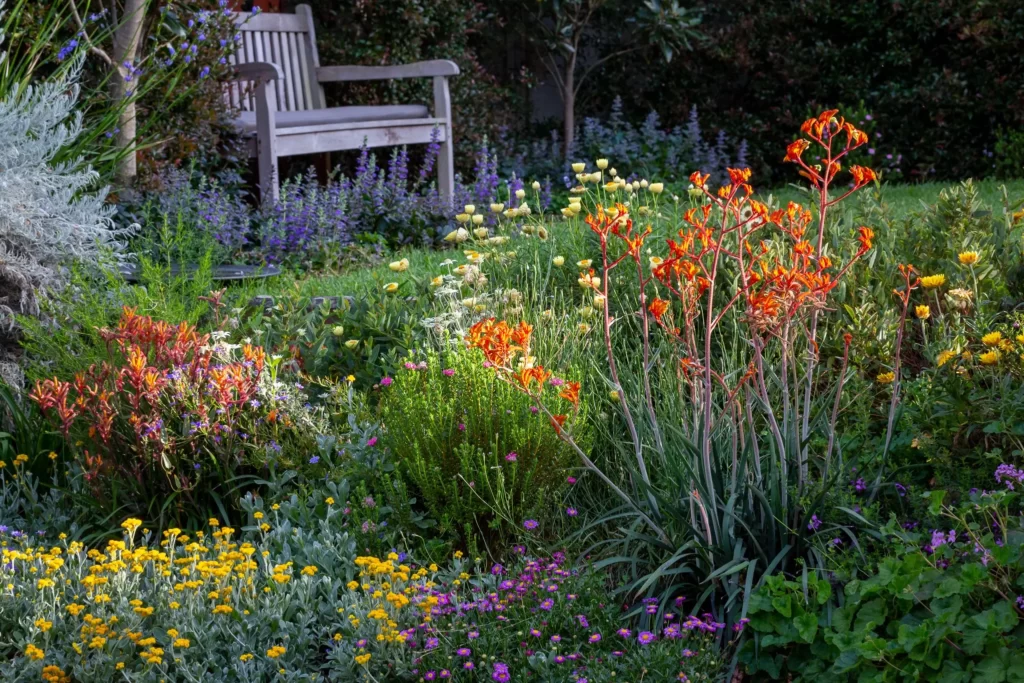
Designing a Cottage Garden
Designing a cottage garden starts with a vision for your space. While the style is informal, thoughtful planning is essential to ensure the garden thrives and remains visually cohesive.
Steps for designing a cottage garden include:
- Identify focal points: Decide on key features such as a bench, fountain, trellis, or an archway. These focal points guide the layout and create a sense of structure.
- Create beds and borders: Learn how to create a cottage garden border that curves naturally around focal points and pathways. Borders can be dense with flowers, herbs, or low shrubs.
- Mix heights and textures: Incorporate a mix of tall, medium, and low plants to create layers of interest. This technique adds depth and ensures every plant is visible.
- Plan for seasonal bloom: Combine early bloomers, summer flowers, and late-season plants to ensure the garden remains vibrant throughout the year.
By understanding how to make cottage garden layouts, you can create a harmonious balance between chaos and order, giving your garden a lush, inviting, and ever-changing appearance.
Plan Your Walkways
Walkways are a crucial aspect of a cottage garden, offering both practical access and aesthetic appeal. They guide visitors through the garden while framing plant displays.
Tips for planning walkways include:
- Choose materials wisely: Gravel, flagstone, or brick are popular options, each offering its own texture and charm. Gravel paths provide a rustic feel, while brick or stone adds a timeless elegance.
- Edge with plants: Learning how to create a cottage garden border along walkways enhances visual appeal. Low-growing plants, like thyme or alyssum, soften edges and create a natural transition between path and garden bed.
- Create gentle curves: Avoid straight lines and sharp angles. Curved paths provide a sense of discovery, encouraging visitors to explore the entire garden.
- Consider scale: In a small garden, paths should be narrow but still allow easy access. Knowing how to create a small cottage garden effectively requires thoughtful walkway planning that maximizes space without overcrowding.
Walkways are not just functional; they play a major role in the overall feel of your cottage garden, adding to its charm and guiding the eye through layers of plants and textures.
Plant Smallest to Tallest
Proper plant placement is vital in cottage garden design. Arranging plants from smallest to tallest ensures visibility, maximizes sunlight exposure, and creates a natural sense of layering.
Key tips for arranging plants:
- Front of beds: Place low-growing ground covers and smaller flowers such as sweet alyssum, dwarf pansies, or creeping thyme. These plants add texture and fill gaps beautifully.
- Middle layer: Medium-height perennials like foxgloves, coneflowers, and coreopsis provide color and structure. They bridge the height difference between low and tall plants.
- Back of beds: Taller plants, such as delphiniums, hollyhocks, or climbing roses, form a backdrop that draws the eye upward. Vertical interest adds depth and visual intrigue.
Understanding how to create a cottage garden involves mastering these layers so that each plant complements the others, creating a dynamic and lively composition.
Consider Average Growth
When designing a cottage garden, it’s important to consider the average growth of plants to avoid overcrowding and maintain balance.
- Know your plant sizes: Research the mature height and spread of each plant. Overcrowding can lead to poor air circulation, disease, and a messy appearance.
- Allow space for growth: Leave enough room between plants to let them flourish naturally. This creates a healthy, self-sustaining garden.
- Adjust over time: Cottage gardens evolve as plants mature. Be prepared to transplant, divide, or prune to maintain harmony.
By keeping growth patterns in mind, gardeners can learn how to make cottage garden arrangements that are sustainable, thriving, and visually pleasing for years.
Perennials or Annuals
A successful cottage garden often combines both perennials and annuals, providing a mix of structure and seasonal excitement.
- Perennials: These plants return year after year, providing consistency and a stable foundation. Examples include lavender, delphiniums, roses, and hostas.
- Annuals: Annuals add bright splashes of color that can be rotated each season. Popular choices include marigolds, petunias, nasturtiums, and zinnias.
- Blending both types: Mixing perennials and annuals ensures your garden has continuous blooms and texture throughout the year. This approach is essential when learning how to create a cottage garden that feels abundant and ever-changing.
Why are endemic plants so important?
Endemic plants are species that naturally occur in a specific geographic region and nowhere else in the world. Their importance extends beyond visual appeal, playing a vital role in ecological balance, cultural heritage, and sustainable gardening practices.
- Support for local ecosystems: Endemic plants have evolved alongside native insects, birds, and wildlife, creating strong interdependent relationships. They provide the right nectar, seeds, and shelter that local species rely on, helping maintain stable food webs and reducing the risk of ecosystem collapse.
- Adaptation to local climate and soil: These plants are naturally suited to regional rainfall patterns, temperatures, and soil types, allowing them to thrive with minimal intervention. This makes them more resilient to droughts, pests, and seasonal changes compared to exotic species.
- Lower maintenance and resource use: Because endemic plants are well adapted to their environment, they typically require less watering, fertiliser, and chemical pest control. This makes them an environmentally responsible choice for gardeners aiming to reduce water use and overall garden maintenance.
- Preservation of biodiversity: Growing endemic plants helps protect genetic diversity that might otherwise be lost due to habitat destruction or urban expansion. Each endemic species contributes unique traits that strengthen ecological resilience and long-term environmental health.
Types of plants used in a typical cottage garden
A cottage garden is characterised by a relaxed, layered planting style that blends structure with abundance. Understanding plant selection is essential when learning how to make a cottage garden that feels natural yet visually balanced.
- Flowering perennials: Plants such as foxgloves, delphiniums, daisies, and salvias form the backbone of a cottage garden. They return year after year, providing consistent colour, height variation, and a sense of continuity across seasons.
- Annuals and self-seeding plants: Cosmos, poppies, and sweet peas fill gaps quickly and create a soft, informal look. Many self-seed naturally, adding surprise elements and reducing the need for replanting each year.
- Shrubs and climbers: Roses, lavender, and hydrangeas add structure and fragrance, while climbers like clematis or honeysuckle soften fences and walls. These plants are especially useful when considering how to create a cottage garden border with depth and visual interest.
- Herbs and edible plants: Traditional cottage gardens often include herbs such as rosemary, thyme, and sage alongside vegetables. This mix of ornamental and edible plants reflects the practical origins of cottage gardening.
- Ground covers and fillers: Low-growing plants like alyssum or creeping thyme help suppress weeds and visually connect taller plants. They are particularly effective when planning how to create a small cottage garden without overcrowding the space.
Propagation techniques: maintaining garden diversity
Propagation plays a key role in preserving plant variety and sustaining a healthy garden ecosystem. These techniques are especially useful for gardeners exploring how to design a cottage garden border with continuity and balance.
- Seed propagation: Collecting seeds from healthy plants allows gardeners to maintain genetic diversity and adapt plants to local conditions over time. This method is cost-effective and ideal for annuals and many perennials commonly found in cottage-style gardens.
- Division of mature plants: Dividing perennials such as hostas, daylilies, or ornamental grasses rejuvenates older plants while creating new ones. This approach ensures plant health and helps evenly distribute growth throughout the garden.
- Cuttings and layering: Softwood or hardwood cuttings from shrubs and climbers allow gardeners to replicate successful plants. Layering, where stems root while still attached to the parent plant, is especially effective for roses and ground covers.
- Sharing and exchanging plants: Swapping propagated plants encourages wider genetic diversity and preserves traditional varieties. This practice aligns well with the community-focused spirit behind how to create a cottage garden that feels timeless and sustainable.
These approaches collectively support long-term garden health and provide practical guidance on how to make a cottage garden that thrives naturally and remains diverse across seasons.
What Plants Go in a Cottage Garden?
Choosing the right plants is crucial to achieving the signature lush, romantic look of a cottage garden. The plants selected should offer variety in color, height, texture, and fragrance.
Recommended plant types include:
- Roses: Both climbing and bush varieties add classic charm and fragrance. Climbing roses can cover fences or trellises, creating a timeless look.
- Lavender: Offers a calming scent, beautiful purple blooms, and attracts pollinators. Its bushy growth works well along paths or at borders.
- Foxgloves and Hollyhocks: These tall, dramatic plants add vertical interest and are perfect for the back of flower beds.
- Delphiniums: Provide height and vibrant blues and purples, complementing other garden plants beautifully.
- Herbs: Plants like rosemary, thyme, and sage add fragrance, texture, and utility. They thrive in cottage gardens while offering culinary benefits.
- Ground covers: Creeping Jenny, sweet alyssum, or ajuga fill in gaps and soften edges naturally.
- Seasonal annuals: Petunias, marigolds, nasturtiums, and calendula introduce bursts of color that change throughout the seasons.
By combining these plants thoughtfully, you can learn how to create a small cottage garden that looks full, lively, and inviting, no matter the size of your space. Proper placement ensures that each plant thrives while maintaining the garden’s informal, overflowing aesthetic.
Conclusion
Creating a cottage garden is a rewarding way to bring charm, color, and natural beauty into your outdoor space. By learning how to create a cottage garden, planning your layout carefully, and choosing plants that complement each other in height, texture, and growth habit, you can develop a vibrant, inviting space. With thoughtful planning of walkways, borders, and plant selection, anyone can enjoy the timeless elegance and relaxed beauty of a cottage garden, whether in a small backyard or a sprawling property. Embracing the informal, overflowing aesthetic ensures your garden is a personal and ever-evolving retreat.
Read also How to Create a Balcony Garden.