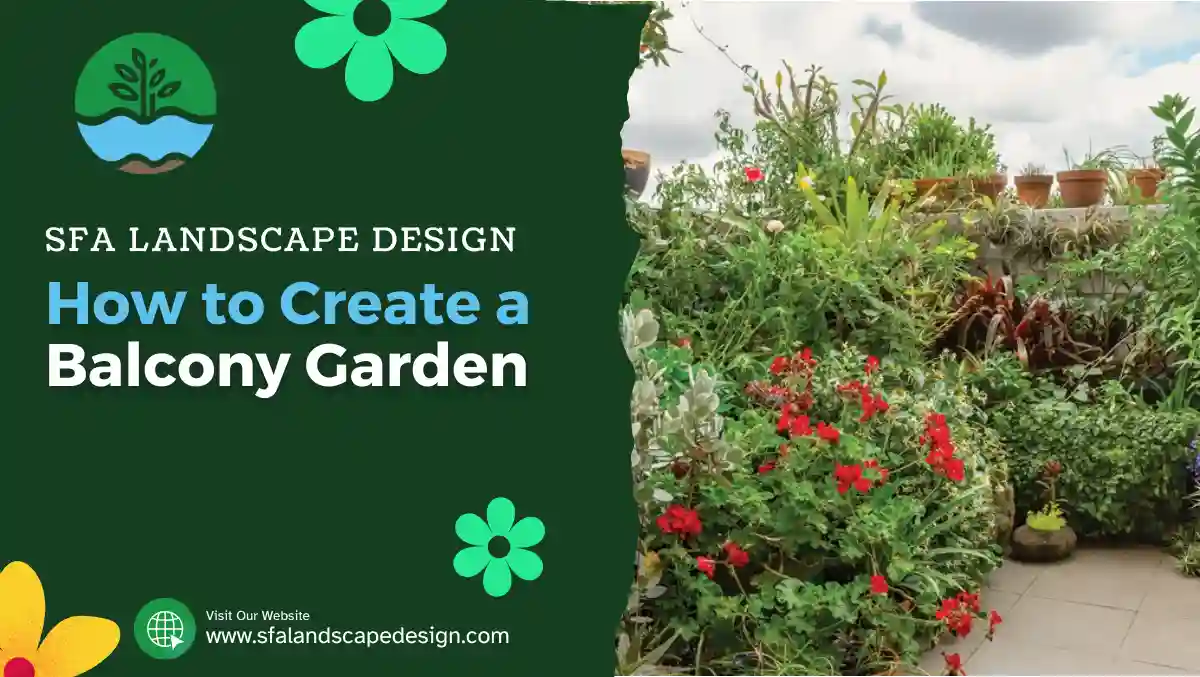
Creating a green balcony oasis is one of the most fulfilling ways to bring nature closer to your home. Whether you live in an apartment or a small house, learning how to create a balcony garden helps transform unused outdoor spaces into vibrant, relaxing sanctuaries. With the right balance of sunlight, watering, soil, and design, your balcony can flourish beautifully throughout the year.
From choosing pots and plants to experimenting with layouts and design, every step plays a vital role in achieving a sustainable and appealing green corner. Below is a detailed guide that covers everything you need to know about how to create a balcony garden, including expert tips, plant suggestions, and practical design ideas.
Understanding Your Balcony Environment
Before you begin building your dream garden, spend time understanding your balcony’s natural setting.
This step ensures that you choose the right plants and positioning for long-term success.
- Sunlight and Orientation: Observe how much light your balcony receives throughout the day. South-facing balconies usually enjoy full sun, while north-facing ones get less direct sunlight. Knowing this helps you plan how to create a balcony garden that fits your light conditions.
For instance, herbs, succulents, and flowering plants thrive in sunny spaces, while ferns and peace lilies prefer shaded environments. - Wind and Airflow: Balconies at higher elevations are often exposed to strong winds, which can dry out plants or topple light pots. Choose heavier pots and wind-tolerant plants, such as geraniums and lavender. If you’re figuring out how to make balcony garden resistant to wind, adding a transparent barrier or trellis can help block harsh gusts.
- Temperature and Humidity: Urban balconies may experience heat buildup due to reflected sunlight. It’s important to select hardy plants that adapt to temperature changes. When learning how to make a small garden in balcony, always consider your local climate and choose plants accordingly.
Understanding these environmental aspects helps build a sustainable and thriving ecosystem on your balcony.
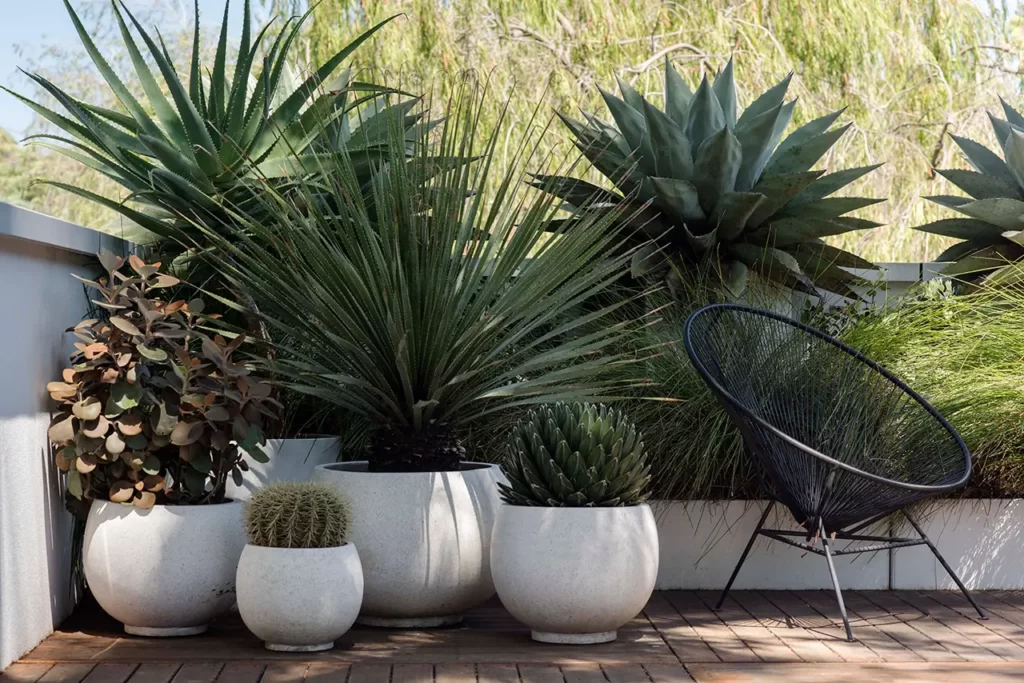
Begin Your Plant Hunt
Once you’ve analyzed your environment, the next step in how to create a balcony garden is selecting the right plants. Your choice of greenery sets the tone for your entire setup.
- Native and Climate-Friendly Plants: Native species require minimal care and adapt easily to local conditions. For instance, if you live in a tropical climate, hibiscus, jasmine, and money plants are excellent choices.
- Mix of Textures and Heights: Combine plants with varied foliage and structure to create visual interest. Tall plants like areca palms or bamboo can provide shade, while trailing plants like pothos and ivy add softness and greenery.
- Seasonal Selections: Keep your garden dynamic by rotating plants based on seasons. For example, marigolds and petunias thrive in summer, while pansies and chrysanthemums suit winter months.
When exploring how to create balcony garden, start small with low-maintenance varieties before expanding to more delicate species.
Choosing the Perfect Pot for Your Balcony Garden
The right containers are essential not just for aesthetics but also for plant health. Understanding how to make a balcony planter box or selecting the right pots determines how well your plants thrive.
- Material Considerations:
- Terracotta Pots: Porous and breathable, great for moisture-loving plants but may dry quickly in the sun.
- Plastic Pots: Lightweight and affordable, suitable for balconies with weight restrictions.
- Ceramic or Fiberglass Pots: Excellent for a stylish, long-lasting look while retaining adequate moisture.
If you’re exploring how to make a balcony planter box, opt for treated wood or recycled materials to balance durability and design.
- Drainage and Maintenance: Every pot should have a drainage hole to prevent waterlogging. Placing saucers beneath pots helps prevent balcony staining and controls water spillage.
- Size and Space Efficiency: Larger pots are better for root development, but smaller planters work well for herbs and flowering plants. When planning how to make balcony garden space-efficient, use tiered stands or railing planters to save floor area.
Investing in Advanced Plants and Potting Mix
Healthy plants begin with the right soil and growing medium. The secret to how to create a terrace garden or a lush balcony garden lies in your potting mix.
- High-Quality Potting Mix: A well-balanced mix includes compost, coco peat, perlite, and garden soil. This combination ensures aeration, water retention, and nutrient availability.
- Fertilizers and Organic Boosters: Use compost, seaweed extract, or vermicompost every few weeks to nourish the plants naturally. This approach supports those exploring Low maintenance balcony garden ideas, as it minimizes dependency on synthetic chemicals.
- Plant Selection: Choose strong, disease-resistant varieties that require minimal pruning. Succulents, aloe vera, and money plants are ideal examples of resilient plants that suit both sunny and shaded conditions.
By investing in the right foundation, you create a garden that thrives with less effort.
Position Your Pots and Test the Space
Proper placement enhances both plant health and visual appeal. The process of learning how to make a beautiful balcony garden often begins with experimenting with pot positions and layouts.
- Light Distribution: Place sunlight-loving plants such as rosemary, lavender, and geraniums in open areas, while keeping shade-loving ones like ferns and calatheas under cover.
- Visual Layering: Create depth by arranging tall plants at the back, medium ones in the middle, and small flowering pots in front. This not only improves aesthetics but also ensures every plant gets adequate light and ventilation.
- Test and Adjust: Over time, observe which plants thrive in which spots. Don’t hesitate to move pots around and find the perfect balance of sunlight and shade. This flexible approach is a key element in how to create a balcony garden that evolves beautifully.
Top Potted Plant Picks for Any Balcony Environment
Balcony gardens can host an impressive range of plants suited for various conditions.
- Evergreen Choices: Money plants, areca palms, and rubber plants remain lush throughout the year, ideal for those learning how to make a small garden in balcony.
- Flowering Beauties: Petunias, bougainvillea, hibiscus, and marigolds bring bursts of color. These are especially great for balconies that receive direct sunlight.
- Herbs and Edibles: Mint, coriander, basil, and thyme are perfect for culinary use while adding greenery. They also grow well in compact railing planters or hanging pots.
- Succulents and Cacti: These are low-maintenance and excellent for sunny, dry balconies. If you’re exploring Low maintenance balcony garden ideas, succulents like jade or echeveria make wonderful additions.
Shaded or Part-Sun Balcony
Balconies with partial sunlight offer versatility for various plant species.
- Best Plants: Ferns, peace lilies, calatheas, and spider plants flourish under filtered light.
- Watering Needs: Such balconies usually retain moisture, so water plants only when the top layer feels dry.
- Decor Tips: Add mirror panels or bright-colored pots to reflect available light. When deciding how to make balcony garden designs for part-shade areas, focus on creating layers of greenery and texture rather than relying solely on flowering plants.
Full-Sun Balcony
Balconies that receive intense sunlight are perfect for hardy, sun-loving plants.
- Ideal Plants: Bougainvillea, rosemary, lavender, marigold, and lantana thrive under full exposure.
- Moisture Control: To retain soil moisture, cover the surface with mulch or coconut husk chips.
- Creative Setup: If you’re learning how to make a balcony planter box for full sun, choose deep wooden boxes that insulate roots against heat.
- Design Element: Use vertical trellises to grow climbers and add visual height. This approach fits well into how to create terrace garden designs as well.
Shady Balcony
Shady balconies may seem limiting but can still be lush and vibrant with the right plants and arrangements.
- Plant Options: Snake plants, peace lilies, philodendrons, and pothos do extremely well in low light.
- Enhancing Brightness: Choose white or light-colored pots and reflective surfaces to create a bright, airy atmosphere.
- Layering for Appeal: Add hanging planters, shelves, and multi-tier racks to utilize vertical space creatively. Incorporating these ideas makes it easier to understand how to make a beautiful balcony garden in small, shaded areas.
Design Ideas for Balcony Gardens
Design plays a crucial role in turning a simple space into a delightful retreat. Beyond just plant care, design is what makes your garden inviting, functional, and beautiful.
1. Hanging Planters on a Balcony Wall
Vertical gardens are a practical solution for limited spaces and an excellent example of how to create a balcony garden with minimal floor space.
- Space Optimization: Use wall-mounted holders, railing planters, or hanging baskets to grow trailing plants such as ivy, pothos, or ferns. This method not only saves space but also enhances visual height.
- DIY Hanging Planters: For those interested in how to make a balcony planter box, you can repurpose wooden crates or metal frames to create stacked vertical layers for herbs and flowers.
- Maintenance Tips: Install a drip irrigation system or use self-watering pots to ensure easy maintenance, ideal for Low maintenance balcony garden ideas.
2. Using Fixtures to Your Advantage
Your balcony’s structural features can serve as part of the garden design.
- Railings and Corners: Utilize railing planters to display colorful flowers or fragrant herbs. Corners can hold tall plants like bamboo or palms to add privacy.
- Furniture Integration: Choose foldable chairs and tables that complement the plants. This approach merges comfort with nature — a central idea in how to create balcony garden spaces meant for relaxation.
- Lighting and Decor: Incorporate solar-powered fairy lights, lanterns, or LED strips to highlight your plants at night. Soft lighting enhances mood and makes evening relaxation more enjoyable.
Maintenance Tips for a Thriving Balcony Garden
To ensure your garden stays beautiful, consistent care is essential.
- Regular Watering Routine: Water early in the morning or evening to reduce evaporation. Each plant has different needs; succulents require minimal water, while herbs and flowers need consistent moisture.
- Pruning and Cleaning: Trim dead leaves and flowers regularly to promote healthy new growth and prevent fungal issues.
- Pest Management: Check for aphids, mealybugs, or spider mites. Use neem oil or mild soap sprays instead of harsh chemicals.
- Seasonal Refresh: Rotate plants based on weather conditions to maintain variety and health.
By following these steps, you’ll master how to make a beautiful balcony garden that stays vibrant across all seasons.
How do you water a balcony garden?
Watering is one of the most important aspects of maintaining healthy plants in limited balcony spaces. Since containers dry out faster than ground soil, understanding proper watering methods is essential when learning How to Create a Balcony Garden that stays lush and productive.
- Understand plant-specific water needs: Different plants require different watering frequencies. Herbs and flowering plants often prefer evenly moist soil, while succulents and cacti need infrequent watering. Grouping plants with similar needs makes watering more efficient and helps prevent overwatering or dehydration.
- Water deeply but less frequently: Instead of shallow daily watering, it is better to water thoroughly until excess water drains from the bottom of the pot. This encourages deeper root growth and stronger plants, which is especially important when planning how to make a small garden in balcony spaces.
- Choose the right time to water: Early morning or late evening watering reduces evaporation and allows plants to absorb moisture effectively. Avoid watering during hot afternoons, as rapid evaporation can stress plants and waste water.
- Use pots with proper drainage: Containers must have drainage holes to prevent waterlogging, which can cause root rot. Adding a layer of gravel or broken clay pieces at the bottom improves drainage and supports long-term plant health when deciding how to make a beautiful balcony garden.
- Consider watering tools and systems: Watering cans with narrow spouts provide better control in compact spaces. For busy schedules, drip irrigation kits or self-watering pots help maintain consistent moisture and are practical solutions when planning how to create balcony garden layouts.
- Monitor soil moisture regularly: Checking soil moisture with a finger or moisture meter helps determine when plants actually need water. This habit prevents common mistakes such as overwatering, which is more harmful than occasional dryness in most balcony plants.
What can you grow in a balcony garden?
A balcony garden can support a wide variety of plants when light, space, and container size are planned carefully. With thoughtful selection, it is easy to understand How to Create a Balcony Garden that is both functional and visually appealing.
- Herbs for everyday use: Basil, mint, coriander, rosemary, and thyme grow well in small pots and require minimal space. These herbs thrive in sunlight and are ideal for beginners learning how to make a small garden in balcony areas.
- Leafy vegetables and greens: Spinach, lettuce, fenugreek, and kale are fast-growing and suitable for containers. They can be harvested multiple times, making them practical choices for those exploring how to create balcony garden setups for fresh produce.
- Flowering plants for visual appeal: Petunias, geraniums, marigolds, and begonias add color and fragrance to balconies. Choosing seasonal flowers enhances aesthetics and supports the goal of how to make a beautiful balcony garden with minimal effort.
- Climbing and vertical plants: Plants such as money plant, jasmine, or peas can be trained on trellises or railings. Vertical growth maximizes limited floor space and is especially useful when planning how to make a small garden in balcony environments.
- Compact fruit-bearing plants: Cherry tomatoes, strawberries, and dwarf citrus varieties adapt well to containers with sufficient sunlight. These plants demonstrate how productive a balcony can be when designed thoughtfully under How to Create a Balcony Garden principles.
- Low-maintenance plants for beginners: Succulents, aloe vera, and snake plants require less frequent watering and tolerate varying conditions. They are ideal for those starting out and learning how to create balcony garden spaces without intensive maintenance.
Conclusion
A well-designed balcony garden offers more than visual beauty — it creates a calming space that connects you to nature. Whether your balcony receives full sun or stays shaded most of the day, there’s always a creative solution to make it thrive. By understanding your environment, choosing the right plants and pots, and applying Low maintenance balcony garden ideas, you can enjoy greenery year-round.
From discovering how to create a balcony garden to experimenting with how to make a small garden in balcony, every step is an opportunity to express creativity and care. With the right balance of design and maintenance, your balcony will soon become a refreshing escape — a peaceful, green haven that enhances your daily living experience.
Read also How to Create a Containerised Garden.