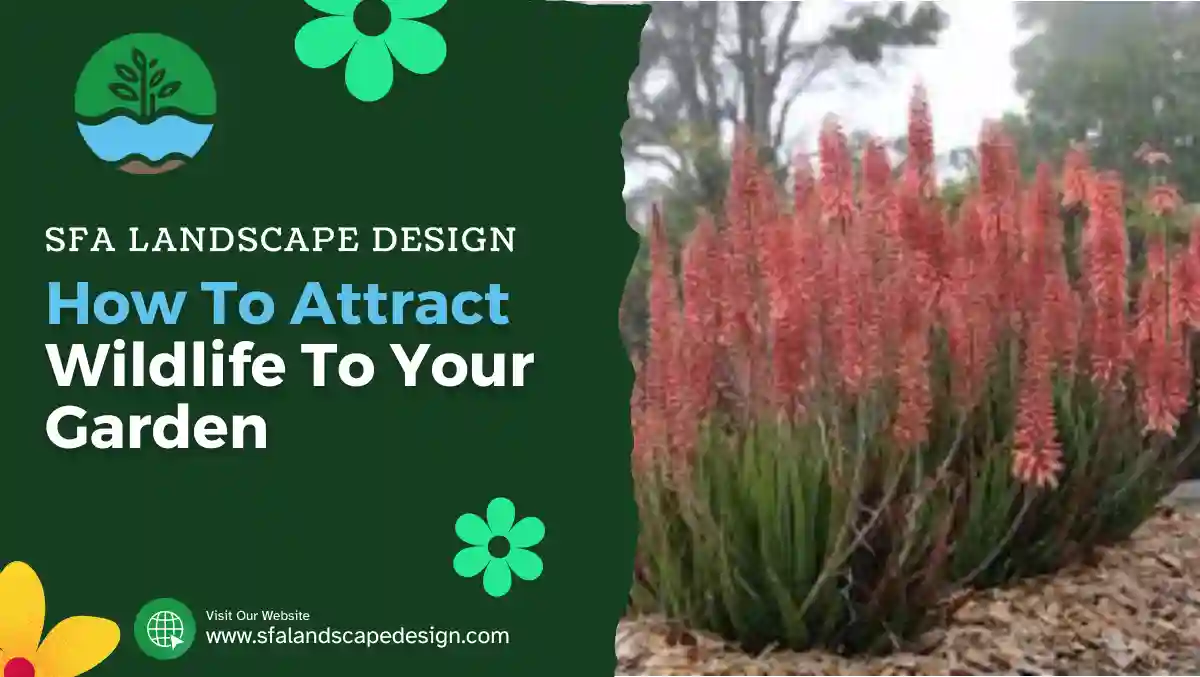
Creating a garden that supports birds, insects, and small animals is one of the most practical and rewarding ways to reconnect with nature at home. Learning How to attract wildlife to your garden is not limited to large rural properties; even compact urban spaces can become valuable habitats when designed thoughtfully. Gardens that welcome wildlife help restore balance by supporting pollination, pest control, and healthy soil systems, all while offering a sense of calm and seasonal change.
Many people are now rethinking traditional landscaping and exploring How to help nature in your garden through simple, sustainable choices. By focusing on native plants, natural materials, and minimal intervention, your outdoor space can provide food, shelter, and water for local species. This is particularly important when considering how to attract wildlife to your garden in sydney, where urban development has reduced natural habitats and increased the need for wildlife-friendly home gardens.
Call of the Wild
Inviting wildlife begins with allowing your garden to feel more organic and less controlled. When people explore How to attract wildlife to your garden, they often discover that native species prefer environments that resemble their natural habitats rather than overly manicured landscapes.
- Allowing parts of the garden to grow freely creates shelter and nesting opportunities for insects, birds, and small reptiles. Fallen leaves, seed heads, and hollow stems provide protection and breeding spaces that are essential for survival.
- Reducing constant disturbance helps wildlife feel safe enough to return regularly. Quiet corners, limited lighting at night, and fewer artificial elements encourage animals to explore and settle without stress.
This natural approach supports ecological balance while making your garden feel alive and dynamic throughout the year.
Flowers and Plants to Attract Wildlife
Plants form the foundation of any wildlife-friendly space. Choosing the Best plants for a wildlife garden means selecting species that provide food and shelter while thriving in local conditions. Native plants are particularly valuable because local wildlife has evolved alongside them.
- Flowering shrubs and groundcovers supply nectar, pollen, berries, and seeds that support birds, bees, butterflies, and beneficial insects. These plants often require less water and care, making them practical and sustainable.
- Planting species with different flowering periods ensures a continuous food supply throughout the year. This consistency is a key element in understanding How to attract wildlife to your garden successfully.
Diverse plantings also improve soil health, which further supports insects and microorganisms that form the base of the food chain.
Attract Bees to Your Garden
Bees play a vital role in pollination and food production, making them essential visitors to encourage. Supporting bees is often one of the first steps in learning How to attract wildlife to your garden, as their presence benefits the entire ecosystem.
- Open, nectar-rich flowers such as native daisies, grevilleas, lavender, and herbs provide accessible food sources for different bee species. These options are often listed among the Best plants for a wildlife garden due to their reliability and resilience.
- Planting in clusters rather than single specimens makes it easier for bees to forage efficiently. This reduces their energy use and increases pollination success across your garden.
Avoiding chemical treatments is equally important, as even small amounts can harm bee populations and disrupt natural processes.
Design with Plant Layers to Support Diverse Species
Wildlife thrives in gardens that offer layers of vegetation. Vertical diversity is a core principle behind many effective Small wildlife garden ideas, especially where space is limited.
- Groundcovers provide shelter for insects, frogs, and small animals while helping retain moisture in the soil. Shrubs offer nesting sites and protection for birds, while taller trees create shade, perching points, and wind protection.
- Mixing plant heights supports a wider range of species and strengthens the overall habitat. This layered structure is one of the most effective ways to improve How to attract wildlife to your garden in both small and large spaces.
A well-structured garden also looks fuller and more natural, enhancing visual appeal without excessive maintenance.
Use Water to Entice Native Animals and Birds
Water is essential for wildlife survival, particularly during dry or hot conditions. Adding a water source can dramatically improve How to attract wildlife to your garden, even if planting options are limited.
- Shallow birdbaths, small ponds, or gently dripping water features provide safe drinking and bathing areas. Moving water is especially attractive to birds, as it signals freshness and safety.
- These features suit a Low maintenance wildlife garden because they require minimal effort while offering significant benefits. Clean, accessible water supports birds, insects, frogs, and other small creatures that rely on regular hydration.
Positioning water sources near shrubs or trees allows wildlife to drink while remaining protected from predators.
What Not to Do
Avoiding damaging practices plays an equally vital role as making the right inclusions. Certain common gardening habits can undermine efforts to improve How to attract wildlife to your garden.
- Chemical pesticides, herbicides, and synthetic fertilisers harm insects and contaminate the food chain. Birds and animals that feed on affected insects may suffer long-term health effects.
- Over-tidying removes essential shelter and nesting materials. Constant pruning, clearing leaf litter, and removing dead wood reduces habitat quality and discourages wildlife from staying.
Allowing natural processes to occur supports long-term biodiversity and creates a more resilient ecosystem.
What to Plant for Bees and Butterflies
Bees and butterflies require specific plants to complete their life cycles. Many successful Small wildlife garden ideas focus on supporting these pollinators through thoughtful plant selection.
- Nectar-rich flowering plants provide food for adult butterflies, while host plants support caterpillars during their growth stages. This approach clearly demonstrates How to help nature in your garden by supporting all stages of life.
- Choosing hardy, native species contributes to a Low maintenance wildlife garden, as these plants are adapted to local conditions and require less water and care.
A garden that supports pollinators quickly becomes more productive, colourful, and ecologically balanced.
How Location and Climate Influence Wildlife Gardens
Climate and location play a significant role in shaping wildlife-friendly spaces. Understanding how to attract wildlife to your garden in sydney requires awareness of local weather patterns, soil types, and native species.
- Sydney’s climate supports a wide range of native plants that flower at different times of the year. Selecting these plants ensures consistent food availability and supports seasonal wildlife movement.
- Coastal and urban environments benefit from wind-tolerant shrubs and drought-resistant species that provide shelter without excessive water use.
By working with local conditions, gardeners can create spaces that are both practical and ecologically valuable.
Conclusion
Creating a garden that welcomes wildlife is about balance, patience, and respect for natural systems. By applying proven principles on How to attract wildlife to your garden, you transform your space into a living ecosystem that supports birds, insects, and small animals year-round.
Through careful plant selection, layered design, water features, and chemical-free practices, it becomes easier to understand How to attract wildlife to your garden in a sustainable way. In urban settings, especially when focusing on how to attract wildlife to your garden in sydney, even modest gardens can provide essential refuge. Ultimately, embracing these practices reinforces How to attract wildlife to your garden while creating a healthier, more vibrant outdoor environment.
Read also How to Start a Food Garden From Scratch.