
Most homeowners are unaware of the approvals required for landscaping their outdoor space and structural elements. What is allowed and what is not? Demystifying Local Council Rules and Regulation for Outdoor renovations is key to understanding these requirements. Here’s some information that will help you take constructive steps when seeking local council permission to renovate your yard.
What is a landscaped area?
As per local council, landscaped area is defined as an area of open space on the lot, at ground level, that is permeable and consists of soft landscaping, turf or planted area and the like.
When do you need a retaining wall?
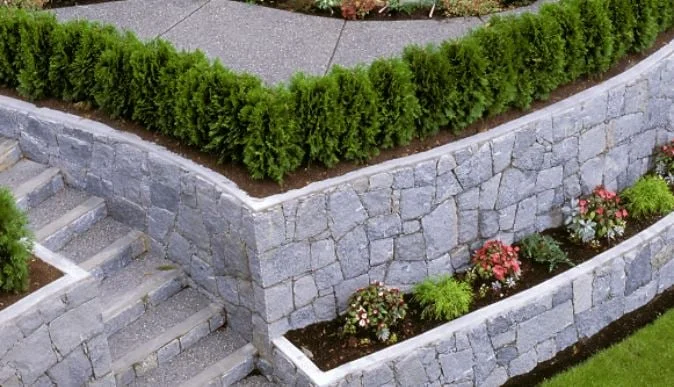
If your front yard or backyard has slope, then building a retaining wall is imperative to control soil erosion and drainage, usability of the yard. Within residential allotments, the maximum height of the retaining wall should be 0.6 metres.
Building a retaining wall
- A retaining wall built on its own can go up to 0.6m in height and does not require council approval.
- The retaining wall can be integrated with the boundary fence (side and rear side) to the height of 1.8 m. Corner lots might have different criteria. Check with your local council.
- Retaining walls built above 0.6m in height require council approval before construction.
- The retaining wall should not be built over the easement in your lot.

Building a Retaining Wall
Retaining walls are essential structures that support soil, prevent erosion, and create usable space on sloped land. When designed and approved correctly, they add value, safety, and long-term stability to your property. In Australia, retaining wall construction often involves local regulations, engineering requirements, and council oversight — and understanding those rules ensures your project stays compliant from start to finish.
Why do I need building approvals?
- To ensure structural safety and durability. Retaining walls are load-bearing structures that hold back heavy soil and water. Building approvals confirm that the wall has proper footing, reinforcement, and drainage to prevent collapse or land movement, protecting both your home and neighbouring properties.
- To comply with local planning regulations. Councils assess whether the wall affects stormwater flow, land stability, or the appearance of the streetscape. This oversight protects the community and forms part of demystifying local council rules in Australia, which helps homeowners understand why approvals matter.
- To avoid legal and property disputes. Without approval, you may be required to remove or alter the wall if it causes boundary issues or damage. Certified work creates a clear record of compliance — something future buyers and insurance providers rely on when checking Australian Local Council Information.
- To protect underground infrastructure and shared boundaries. Utilities like drainage pipes and service cables often run along property lines. Approvals help prevent accidental disturbances, ensuring that construction does not create costly safety or maintenance risks.
When do I need approval?
- When the wall exceeds a specified height. Most councils set a maximum height before building approval becomes mandatory, often around one metre, though this can vary. Taller walls place more pressure on the soil and must be engineered — approvals confirm the design meets structural safety standards while supporting demystifying local council rules in Australia.
- If the wall is close to boundaries or another building. Even a low-height wall may need approval if it is positioned near fences, footings, or retaining structures. Councils check that the wall does not alter drainage or compromise surrounding foundations, ensuring proper Local Representation in Australia for shared property concerns.
- When the wall supports additional loads. If a driveway, car park, or structure like a shed sits above the retained ground, the wall must be engineered and approved. These “surcharge loads” significantly affect design and are flagged using Australian Local Council Information as high-risk constructions.
- For walls built in sensitive or regulated areas. Heritage zones, waterfronts, bushfire-prone land, and slopes with erosion risk usually require council review. Approvals ensure design choices preserve environmental stability and align with planning overlays supported by Local Representation in Australia.
- When multiple tiered walls are constructed. Stacked or terraced retaining walls may appear smaller individually but act as one system. Councils treat them as a single structure, meaning engineering approval is often necessary due to the combined pressure they retain.
Do We Need Council Approval for Landscaping?
One of the most common questions homeowners ask is whether landscaping requires council approval. The answer depends on the scope and type of work you’re planning. Simple gardening tasks like planting flowers, laying turf, or installing small garden beds typically do not need approval. However, larger structural elements may fall under local regulations.
Projects that often require permission include:
- Building retaining walls above a certain height
- Installing decks, pergolas, or outdoor kitchens
- Significant land excavation or altering drainage systems
- Constructing fences beyond standard height limits
This is where Demystifying Local Council Rules becomes essential. Every council has its own guidelines, and understanding these rules early can save time, money, and stress. If you’re demystifying local council rules in Australia, it’s important to check zoning laws, overlays, and environmental restrictions that may apply to your property.
Working with professionals who understand Local Representation in Australia can also help streamline the process, ensuring your landscaping project complies with all necessary regulations while achieving your vision.
Planning & Building Approval
Before starting any major landscaping work, it’s crucial to determine whether you need planning or building approval—or both.
- Planning approval focuses on how your project impacts the surrounding environment, neighborhood, and land use.
- Building approval ensures that structures meet safety and construction standards.
For example, adding a pergola or retaining wall may require building approval, while changing land use or working near protected zones may need planning permission.
Understanding these requirements is a key part of Demystifying Local Council Rules. Many homeowners find the process overwhelming, but breaking it down into steps—checking local guidelines, preparing documents, and consulting experts—makes it manageable.
When demystifying local council rules in Australia, remember that timelines, fees, and documentation can vary between councils. Seeking guidance from professionals with Local Representation in Australia ensures your application is accurate and more likely to be approved without delays.
What Happens If Your Planning Application Gets Refused?
A refused planning application can feel frustrating, but it’s not the end of your project. There are several practical steps you can take to move forward:
- Understand the Reason for Refusal: Carefully review the council’s feedback. Common reasons include non-compliance with zoning laws, environmental concerns, or design issues. This step is crucial in Demystifying Local Council Rules and improving your chances next time.
- Modify and Resubmit: In many cases, small changes—like adjusting design height, materials, or layout—can make your application compliant. When demystifying local council rules in Australia, adapting your plan to meet guidelines is often the fastest solution.
- Seek Professional Advice: Consulting a landscape designer or planning expert with Local Representation in Australia can provide valuable insights. They understand council expectations and can refine your proposal accordingly.
- Lodge an Appeal: If you believe the refusal is unfair, you may have the option to appeal through the relevant planning authority or tribunal. This process requires strong justification and supporting documentation.
Nature strip in your front yard: What is allowed?
According to council websites, nature strip (or verge) is public land between the edge of the road and the boundary of your property. Pedestrians use this nature strip, and it conceals a variety of essential services such as sewerage, water pipes, telephone power and gas. Check with local council if you would like to enhance that space. For vehicular access (eg driveway), council requires a separate application form
What is the maximum height permissible for boundary fence?
Boundary fence height can be 1.8 m high on the side and rear. If yours is a corner block, refer to development control regulations of your local council. Depending on the primary road your residence faces, the front yard fence height will vary. Changes to boundary fence need consent from your neighbors, since it is governed by NSW Dividing Fences Act 1991 (DFA).
What is easement?
Easement is a section of land registered on your property title which gives someone the right to use that land for a specific purpose, such as the council using it for access to sewage. No permanent structures are allowed on the easement.
What is cut and fill?
Cut and fill is the actual process of moving earth from one place to another to make the ground more level. Cut and fill should be maximum 500mm for most councils, anything above will require council approval.
Spa, swim spa and swimming pool require separate approval from council.
What are things exempt from council approval?
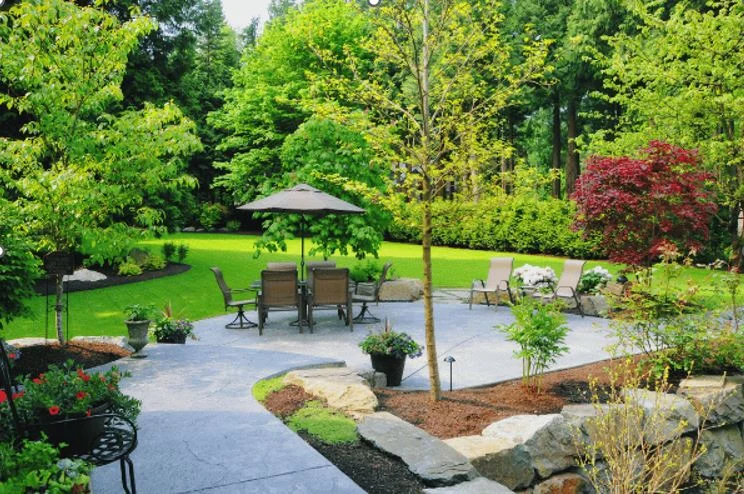
Turfing, planting, small raised beds, lattice, and arbor for climbers, concreting on the sides and backyards, paving in the side and rear yard, decks, pergola are exempt from council approval if not more than 25 sq m and it fulfills council development standards.
Conclusion
Demystifying local council rules and regulations for outdoor renovations helps homeowners plan confidently and avoid costly mistakes. While smaller changes may fall under permitted development, larger alterations often require approval to ensure safety, compliance, and neighbourhood harmony. By checking guidelines early, consulting with your local planning authority, and seeking professional advice, you can streamline your renovation journey. A well-planned project not only enhances your outdoor space but also provides peace of mind knowing everything is legally approved.
Disclaimer: This article is for information/educational purposes only, prepared for single dwelling residential lots. New developments have site-specific developmental controls. This article does not consider heritage-listed land and environment living zones. Contact council for site specific and zone-specific developmental controls.
Information presented here is sourced from Hills Shire and Blacktown City Councils.