
Maintaining a traditional grass lawn often requires significant water, fertilizer, mowing, and care, which can be both time-consuming and environmentally taxing. Many homeowners are now exploring alternatives to a grass lawn that offer beauty, functionality, and sustainability without demanding constant upkeep. These creative options not only reduce your carbon footprint but also provide unique visual appeal suited to diverse climates and lifestyles.
Choosing alternatives to a grass lawn allows you to enjoy your outdoor space while reducing maintenance and resource use. From hardscaped patios and fire pits to green options like clover, moss, and groundcover plants, each choice transforms a plain yard into a personalized haven. Whether your goal is low water use, easy care, or simply a fresh design, the following low maintenance alternatives to a grass lawn will inspire you to rethink your yard.
10 Great Alternatives to a Grass Lawn
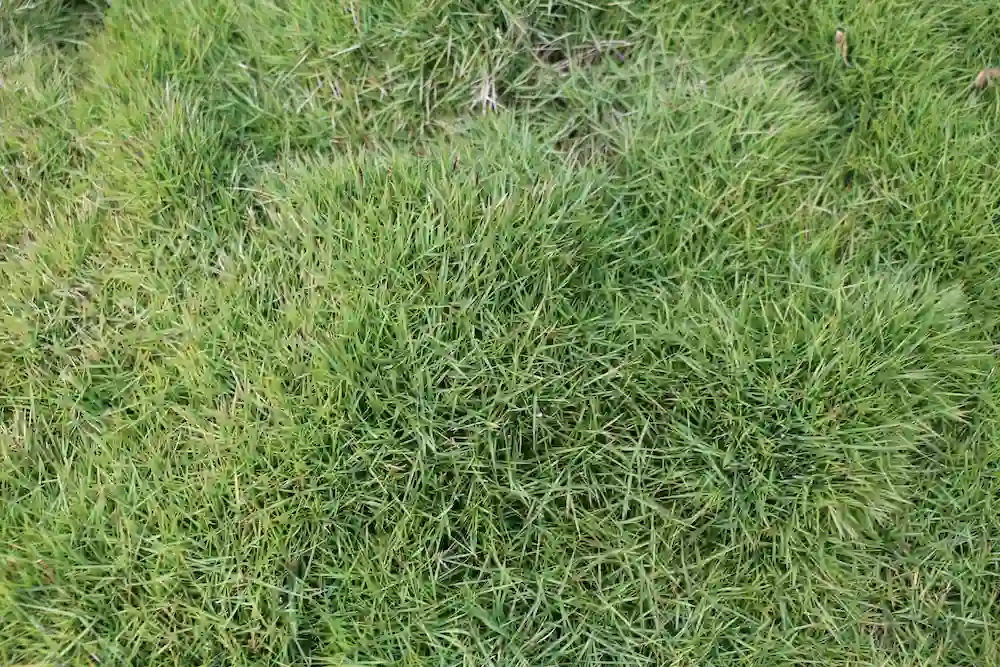
1. Artificial, Synthetic, and Fake Grass
Artificial turf offers the lush, green look of natural grass without mowing, watering, or fertilizing. It’s among the most popular low maintenance grass alternatives, particularly for homeowners seeking year-round greenery.
- Durability and appearance: Modern synthetic turf closely resembles natural grass with soft textures and natural shades, and it’s designed to withstand heavy foot traffic.
- Low upkeep: You only need to rinse it occasionally and brush it to maintain appearance, making it ideal for busy homeowners.
- Water efficiency: Since it requires no irrigation, it’s an environmentally friendly solution for drought-prone regions.
Though initial installation costs may be higher, it offers long-term savings in water and maintenance, making it a practical alternative to a grass lawn.
2. Stones and Gravel
Decorative stones, gravel, and pebbles are elegant Natural alternatives to a grass lawn that offer durability and texture. They blend seamlessly into modern, Mediterranean, or desert-inspired landscapes.
- Low maintenance: Gravel doesn’t require watering, mowing, or fertilizing, making it one of the easiest ground cover ideas instead of grass for homeowners.
- Drainage benefits: It prevents soil erosion and allows rainwater to filter naturally into the ground, reducing runoff.
- Design flexibility: Combine gravel pathways, stepping stones, and boulders with drought-tolerant plants for a balanced, artistic look.
This backyard grass alternative provides a neat, tidy appearance that can last for years with minimal effort.
3. Mulch
Mulch—available in wood chips, bark, compost, or even recycled rubber—is one of the most eco-friendly low maintenance alternatives to a grass lawn.
- Soil health and moisture retention: Mulch acts as insulation, keeping soil cooler in summer and reducing evaporation, which benefits nearby plants.
- Weed suppression: It forms a protective barrier that minimizes weed growth, decreasing the need for herbicides.
- Visual appeal: With rich, earthy tones, mulch gives your landscape a natural and cohesive finish, making it one of the simplest alternatives to a grass lawn.
Periodic replenishing keeps the area looking fresh while maintaining its natural texture and function.
4. Moss Lawns
Moss is ideal for shady, damp areas where grass fails to thrive, creating a lush, soft surface. As one of the most serene Natural alternatives to a grass lawn, it thrives without mowing or fertilizers.
- Eco-friendly and water-efficient: Moss requires only shade and moisture, eliminating the need for irrigation systems.
- Soft texture and aesthetic charm: It creates a velvety carpet that’s perfect for peaceful, meditative garden spaces.
- Air purification: Moss absorbs pollutants and improves local air quality, adding an ecological benefit.
This elegant ground cover instead of grass is perfect for woodland gardens, shaded courtyards, and tranquil retreat-style yards.
5. Groundcover Plants
Groundcover plants like creeping thyme, sedum, and ajuga form dense, low-growing mats that replace turf beautifully. They are colorful, fragrant, and one of the most versatile ground cover ideas instead of grass.
- Resilience and variety: Many species tolerate foot traffic, heat, and drought, offering year-round appeal.
- Biodiversity support: Flowering groundcovers attract bees, butterflies, and beneficial insects.
- Customization: You can mix different textures and colors to create dynamic, living carpets that require little trimming.
These low maintenance alternatives to a grass lawn provide both functional and aesthetic value, especially for uneven or hard-to-mow areas.
6. Herb Lawns (Clover, Thyme, Chamomile)
An herb-based lawn introduces aroma, beauty, and biodiversity. Among the most popular choices is planting clover instead of grass, which offers sustainability and natural soil enrichment.
- Soil health: Clover fixes nitrogen, reducing the need for fertilizers, and it stays green even during dry months.
- Fragrance and color: Creeping thyme and chamomile release delightful scents when stepped on, creating sensory appeal.
- Pollinator attraction: Herb lawns are rich feeding grounds for bees and butterflies, supporting ecological balance.
These backyard grass alternatives offer softness underfoot and a fresh fragrance, making them ideal for family-friendly outdoor living spaces.
7. Vegetable Garden
Transforming a lawn into a vegetable garden makes your outdoor space productive and rewarding. As one of the most purposeful alternatives to a grass lawn, it provides fresh food while enriching the soil.
- Sustainability and nutrition: Growing your own produce reduces dependency on store-bought vegetables and promotes organic living.
- Design versatility: Raised beds, container gardens, or vertical planters can replace traditional turf areas efficiently.
- Soil enrichment: Rotating crops and adding compost naturally improve soil fertility over time.
This Natural alternative to a grass lawn is both functional and educational, teaching sustainable practices to the entire family.
8. Patio
A well-designed patio can transform your yard into an inviting entertainment area. Whether made from stone, brick, or wood, it’s a practical ground cover instead of grass for homes focused on outdoor living.
- Low upkeep and durability: Patios require only sweeping and occasional washing to maintain appearance.
- Design flexibility: Add outdoor furniture, planters, or even a small water feature for ambiance.
- Weather resilience: Patios withstand heavy use and weather changes far better than natural turf.
This low maintenance grass alternative offers both comfort and style while providing a usable space for gatherings and relaxation.
9. Gazebo or Pergola with Greenery
Adding a gazebo or pergola creates a shaded, structured feature that enhances your yard’s beauty and function. Surrounding it with plants can serve as an appealing alternative to a grass lawn.
- Purposeful design: It defines a focal point in your garden and provides a comfortable space for seating or outdoor dining.
- Versatile plant pairing: Climbing vines like jasmine, ivy, or wisteria bring natural greenery and fragrance.
- Extended use: These features allow you to enjoy your yard even in sunny or rainy conditions, increasing practicality.
Gazebos and pergolas pair well with mulch, gravel, or herb groundcovers to form elegant low maintenance alternatives to a grass lawn.
10. Fire Pit or Outdoor Seating Area
Replacing part of your lawn with a fire pit or built-in seating instantly upgrades your outdoor space into a social hub. It’s one of the most functional backyard grass alternatives for family and friends.
- Multi-season usability: Fire pits create warmth during cooler months and serve as a central gathering spot.
- Design integration: Surround the pit with gravel, flagstones, or low-growing plants for a cohesive look.
- Ease of maintenance: Unlike turf, this area only needs occasional cleaning, saving time and effort.
It’s an aesthetic and enjoyable low maintenance grass alternative that encourages outdoor living without ongoing lawn care.
Benefits of Having a Non-Grass Lawn
- Water conservation: Choosing alternatives to a grass lawn can reduce water use by up to 75%, crucial for drought-prone regions and sustainable landscaping.
- Time and cost savings: No mowing, fertilizing, or reseeding means less money spent on equipment and maintenance.
- Environmental impact: These Natural alternatives to a grass lawn minimize chemical runoff, improving soil and water quality.
- Increased biodiversity: Using plant-based options like thyme or clover supports pollinators, creating a mini-ecosystem in your yard.
- Visual creativity: With stones, moss, or patios, you gain color, texture, and variety throughout the year.
- Durability: Many low maintenance alternatives to a grass lawn withstand heavy use, pets, and seasonal weather better than fragile grass.
The result is a resilient, attractive landscape that aligns beauty with ecological responsibility.
Benefits of an Alternative Lawn
Using backyard grass alternatives can transform outdoor spaces into more sustainable and visually interesting environments. Traditional grass lawns require regular watering, mowing, and fertilizing, while alternative landscaping options often reduce maintenance and resource use.
- Lower Water Consumption: Many homeowners choose ground cover instead of grass because it requires significantly less water than traditional lawns. Plants such as clover, creeping thyme, or sedum adapt well to dry conditions and help conserve water while keeping the yard green and healthy.
- Reduced Maintenance: Grass lawns need frequent mowing, edging, and fertilizing to stay neat. With ground cover ideas instead of grass, the maintenance workload becomes much lighter since many ground covers grow slowly, spread naturally, and require minimal trimming.
- Improved Soil Health: Alternative plants often improve soil quality by preventing erosion and enhancing nutrient levels. For example, planting clover instead of grass adds nitrogen to the soil, naturally enriching it and supporting surrounding plants without the need for synthetic fertilizers.
- Greater Biodiversity: Replacing traditional turf with backyard grass alternatives can attract pollinators such as bees and butterflies. Flowering ground covers provide nectar and habitat, helping create a healthier ecosystem in residential landscapes.
- Unique Visual Appeal: Using ground cover instead of grass allows for creative designs with textures, colors, and seasonal flowers. These landscaping options can give outdoor areas a natural, layered appearance rather than the uniform look of standard lawns.
Alternatives to Avoid
While exploring ground cover ideas instead of grass, it is important to avoid certain options that may cause maintenance issues or environmental problems.
- Highly Invasive Plants: Some fast-spreading ground covers can quickly dominate the garden and crowd out other plants. Species such as aggressive vines or uncontrolled runners may spread beyond the intended area, making them difficult to manage.
- Plants Unsuitable for Climate: Choosing ground covers that do not suit local weather conditions can lead to poor growth and constant replacement. Even when considering ground cover instead of grass, selecting plants adapted to the climate ensures better survival and less maintenance.
- High-Maintenance Alternatives: Some plants marketed as lawn replacements actually require frequent trimming, watering, or pest control. These choices defeat the purpose of using backyard grass alternatives, which are typically intended to reduce effort and resource use.
- Fragile Ground Covers for High-Traffic Areas: Certain delicate plants cannot tolerate regular foot traffic. When planning spaces where people walk often, options like planting clover instead of grass work better because they are more durable and resilient.
Different Plants You Can Use as Lawn Alternatives
Clover (White or Microclover)
Clover remains one of the top low maintenance grass alternatives due to its soil-improving ability and drought resistance. Planting clover instead of grass keeps your lawn green, soft, and eco-friendly. Its flowers attract pollinators while requiring minimal watering or mowing.
Creeping Thyme
A beautiful, aromatic ground cover instead of grass, creeping thyme thrives in sunny, dry spots. Its small purple flowers and fragrant foliage create a vibrant tapestry while tolerating light foot traffic.
Sedum (Stonecrop)
This succulent groundcover thrives in poor soil and requires minimal watering, making it a drought-proof Natural alternative to a grass lawn. Sedum’s foliage color changes seasonally, adding visual interest all year long.
Irish Moss (Sagina subulata)
Soft and mossy underfoot, Irish moss is perfect for shaded, moist areas. It’s low-growing, producing tiny white flowers that lend a delicate, fairy-like quality to paths and patios.
Chamomile (Chamaemelum nobile)
This fragrant backyard grass alternative creates a charming, cottage-garden vibe. The crushed leaves emit a soothing scent, and its small daisy-like blooms attract pollinators while needing very little maintenance.
Dichondra Repens
Dichondra forms a lush, green carpet of kidney-shaped leaves that’s ideal for warm climates. It grows quickly, suppresses weeds, and needs less mowing than grass, making it a practical ground cover idea instead of grass.
Native Grasses and Sedges
Native ornamental grasses and sedges like Carex or Festuca species are durable low maintenance alternatives to a grass lawn. They adapt naturally to local conditions and require little watering while supporting native wildlife.
Types of alternative lawns
Traditional turf grass is no longer the only option for outdoor spaces. Many homeowners now prefer Alternatives to a grass lawn that use less water, require minimal upkeep, and still look attractive throughout the year. Below are practical and visually appealing options suitable for different climates, soil types, and lifestyle needs.
- Ground cover plants instead of grass: Ground covers such as creeping thyme, dwarf mondo grass, and clover spread horizontally to form a dense, living carpet. These plants suppress weeds naturally, tolerate light foot traffic, and reduce the need for mowing, making them excellent ground cover ideas instead of grass.
- Native plant lawns: Native grasses and plants are adapted to local weather conditions and soil, allowing them to thrive with minimal irrigation and fertilisers. This makes them natural alternatives to a grass lawn that support local biodiversity, including birds and pollinators.
- Gravel and decorative stone lawns: Gravel, pebbles, and crushed stone provide clean, structured surfaces ideal for dry regions or modern landscapes. When combined with stepping stones or feature plants, they create stylish backyard grass alternatives with very low maintenance requirements.
- Artificial turf solutions: High-quality synthetic grass offers the look of a lawn without watering, mowing, or fertilising. While not a natural surface, it is often chosen as one of the most reliable low maintenance grass alternatives for high-use areas or shaded spaces.
- Mulch-based landscapes: Organic mulch such as bark chips or wood shavings works well under trees or around garden beds where grass struggles to grow. Mulch retains moisture, improves soil quality over time, and reduces weed growth while providing a neat, natural finish.
3 ways to remove grass
Before installing alternatives to a grass lawn, existing turf must be removed effectively. The right method depends on time, budget, and environmental preferences.
- Manual removal using tools: Grass can be removed with a spade or sod cutter by slicing beneath the root layer and lifting it away. This method is labour-intensive but provides immediate results and allows instant preparation for new landscaping materials.
- Sheet mulching technique: Sheet mulching involves covering grass with cardboard or newspaper and layering compost or mulch on top. Over several weeks, the grass decomposes naturally, enriching the soil and preparing it for ground cover ideas instead of grass.
- Solarisation method: Solarisation uses clear plastic sheets to trap heat and kill grass by raising soil temperatures. This chemical-free approach is effective in warm weather and is often used when converting lawns into natural alternatives to a grass lawn.
Replacing your grass lawn
Replacing turf grass involves thoughtful planning to ensure long-term success and visual appeal. Choosing suitable materials and plants helps create sustainable landscapes with minimal upkeep.
- Assess sunlight, soil, and drainage: Understanding how much sun the area receives and how well the soil drains helps determine suitable low maintenance grass alternatives. Shady areas may suit moss or mulch, while sunny spots work well with gravel or drought-tolerant plants.
- Combine multiple lawn alternatives: Mixing materials such as stepping stones, ground covers, and decorative gravel adds texture and functionality. This layered approach creates practical backyard grass alternatives that suit both relaxation and foot traffic.
- Focus on water efficiency and upkeep: Replacing grass with drought-resistant plants or permeable surfaces significantly reduces water usage. These alternatives to a grass lawn also minimise mowing, fertilising, and pest control, resulting in long-term cost and time savings.
Conclusion
Transitioning away from a traditional lawn opens creative and ecological possibilities: from backyard grass alternatives like stone and mulch to living solutions such as clover, thyme, and sedum. By choosing alternatives to a grass lawn, you can lower maintenance, conserve water, and design spaces that reflect how you live outdoors. Whether your priority is a low maintenance grass alternative or a vibrant pollinator habitat, thoughtful selection of materials and plants delivers beautiful, resilient landscapes that are easier to care for and better for the environment.